News Broadcasting
Peter Jackson of AsiaSat wins Casbaa chairman’s award

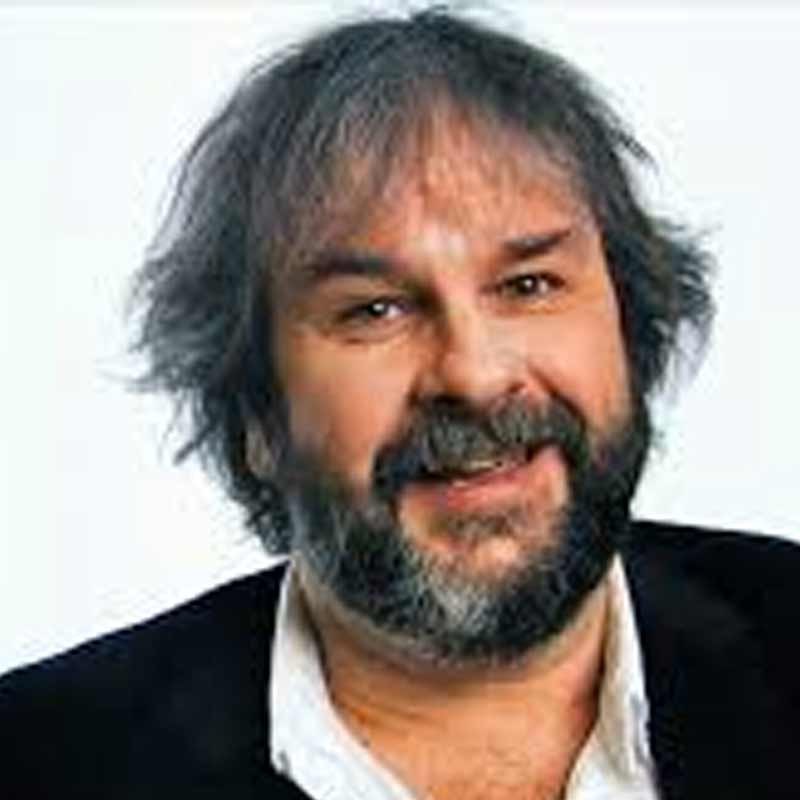
MUMBAI: AsiaSat satellite system operator CEO Peter Jackson has been awarded with the Casbaa chairman’s award 2006 for outstanding contribution to the Asia Pacific multi-channel cable, satellite and broadband pay-TV industries in the previous 12 months.
Jackson has been a member of Casbaa for almost all of the association’s 15 year history and a member of the board of directors for seven years.
The Casbaa chairman’s award 2006 was presented at the conclusion of the Casbaa TV advertising awards held on the final day of the Casbaa Convention 2006 in Hong Kong.

Casbaa chairman Marcel Fenez said, “With his pan-regional responsibilities and a background in telecommunications, Peter has developed an almost unique understanding of media and telecoms issues which has hugely benefited our industry and the association.”
The formal citation for Jackson’s award reads, “In recognition of Peter Jackson’s unparalleled professionalism and integrity in one of the most competitive sectors within our industry and his ongoing commitment to the association.”
“Beyond that, Peter’s contribution’s to the association as a board member and the leading representative of the satellite sector has helped enormously to create the credible industry voice that we are today,” added Fenez.
Jackson said, “I am honoured to receive this award. But the honour is as much for the team at AsiaSat as it is for me. I also think the award is an endorsement of the general achievements of Casbaa itself in the years that I have been involved. “
Prior to joining the listed AsiaSat as CEO in 1993, Jackson was the regional director, Asia Pacific of cable & wireless, which he joined in 1970 with responsibilities for several satellite telecom ventures around the region. He has also worked in the Caribbean, the United Arab Emirates and China.
The other nominees for the 2006 Casbaa chairman’s award were:
HBO
For the launch (and marketing) of the new HBO multiplexes which maintain programming quality whilst adding to customer choice and ease of proposition understanding.
Nokia
For the promotion of the DVB-supported DVB-H standard and its efforts to generate a greater understating of the mobile TV opportunity to both mobile platform operators and content providers.
PCCW – NOW TV
For the continued expansion of its subscriber base and the proactive marketing of a secure and advanced pay-TV platform with a growing interactive capability.
Star TV
For establishing a broad range of tailored channels, to cater to specific needs (such as South India programming). The network has also demonstrated a deep understanding of the industry’s future, both on-air and into platforms such as mobile. And STAR TV has been a leader in branded content.
Starhub
For aggressively expanded its channel line-up and invested in enhancing and marketing its services. The total number of channels has increased to 94. Starhub recently introduced a digital video recorder set-top box; launched pay per view service, FlexiWatch – engaged in an HD trial; and, launched a new brand campaign ‘For the life that I love, I am a hub’ to drive subscription.
Marketing Magazine (Singapore)
In recognition of its excellent work in promoting the delivery of key demographics by cable and satellite channels to advertisers.







News Broadcasting
News18 India launches Command Centre war explainer with Arya
New show shifts from debates to decoding global conflicts and impacts
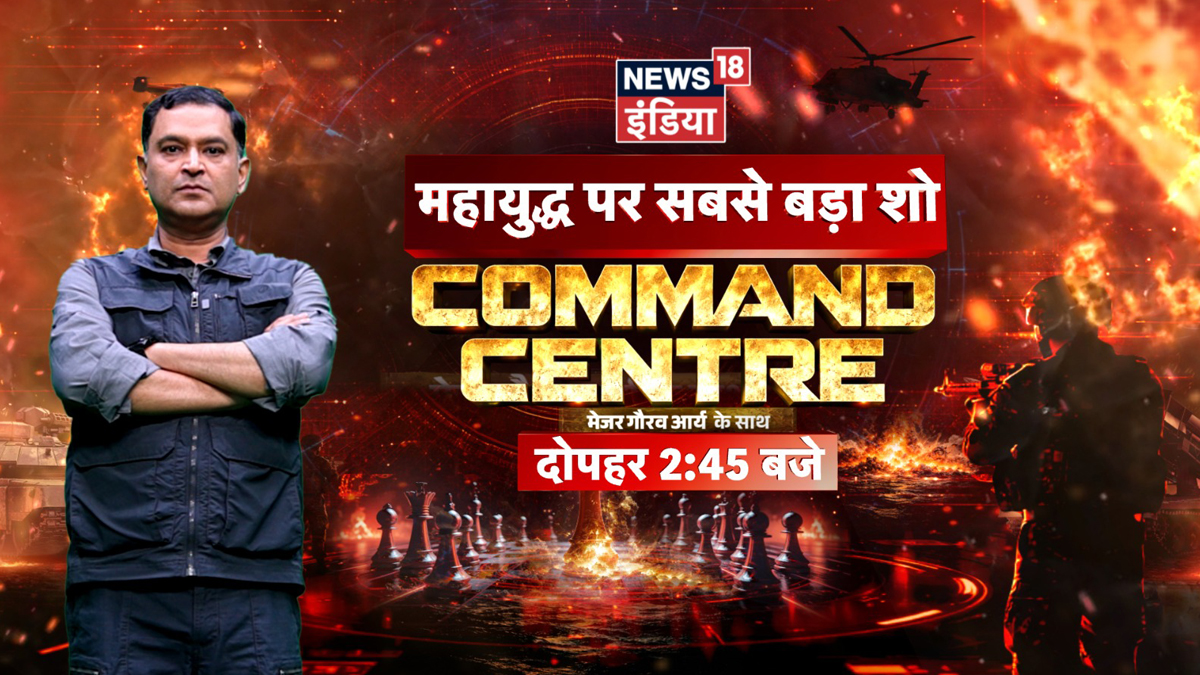
MUMBAI: News18 India has rolled out a new war-focused programme, Command Centre, featuring Gaurav Arya, as it looks to offer viewers a sharper, more grounded take on global conflicts amid rising tensions in West Asia.
Positioned as an “insider war room”, the show moves away from conventional panel debates and instead focuses on explaining military developments, decoding strategy and connecting global events to their everyday impact, from fuel prices to economic shifts.
The format leans heavily on visuals and data. The studio has been designed like a command hub, complete with large LED war maps, real-time graphics and an alert system to track developments as they unfold.
At the centre of it all is Arya, who brings his military background to simplify complex war strategies for viewers. His signature line, “Seedhi baat samjhiye”, anchors the show’s promise of clarity over noise.
News18 India managing editor Jyoti Kamal said, “Command Centre, featuring Major Gaurav Arya is designed to deliver accurate insights and a clear perspective on how evolving conflicts impact everyday life, from household budgets to national security. With expert voices analysing every development in real time, the show goes beyond headlines to decode what’s happening now, what it means, and what could come next.”
Echoing the intent, Gaurav Arya added, “In times of war, confusion is the biggest threat. With News18 India’s Command Centre, we are bringing viewers inside the war room, decoding strategies, tracking every escalation, and explaining, in the simplest terms, what it means for India and for every household. Seedhi baat samjhiye, this is where you understand not just what is happening, but what happens next.”
The weekday show will air in the afternoon slot and will also feature Gaurav Shukla, adding to its editorial depth.
With its mix of analysis, visuals and a clear focus on impact, the show reflects a broader shift in news consumption. Viewers are no longer just watching events unfold, they are looking to understand what those events mean for them.






