News Broadcasting
PCCW selects ICTV ActiveVideo Distribution Network for ‘now TV’ interactive services

MUMBAI: ICTV, which creates on-demand solutions that blend the choice and control of broadband video with the quality and responsiveness of television, and Hong Kong based telecom firm PCCW have announced that the ICTV ActiveVideo Distribution Network (AVDN) has been selected to enable interactive channels via television to subscribers of PCCW’s now TV service.
The first ActiveVideo channel offered by now TV is the completely interactive “Movie Trailer Channel” that PCCW has launched in partnership with United Artists, one of the leading cinema groups in Hong Kong. The Movie Trailer Channel allows subscribers to preview movies, choose cinema locations, check programme times, request seat locations, and buy tickets using just their standard remote controls. The channel is the first in a series of ActiveVideo channels and applications that will deliver more interactive services to now TV’s 654,000 subscribers.

The ActiveVideo Distribution Network is a usage-based content distribution service that enables operators, programmers and advertisers to bring video programming and advertising models from the Internet to the
television, including high-CPM ads that are targeted, auditable, interactive and actionable. AVDN delivers Web-driven programming and live and VOD streams – all with superior TV quality – over the existing two-way network infrastructure to any digital set-top box.
PCCW MD television and content Dominic Leung says, “ICTV has provided the quality and scalability that have enabled us to offer the most powerful interactive television platform in the world. ICTV has provided the quality and scalability that have enabled us to offer the most powerful interactive television platform in the world.
“The Movie Trailer Channel is the first example of how ActiveVideo Distribution Network will enable our subscribers to find and control an entirely new series of television channels of high-quality video with interactivity and
information that specifically meets their individual preferences.”
ICTV president and CEO Jeff Miller says, “Over the past two years, PCCW has established now TV as a world leader in the deployment of IPTV. We believe that the ability of ActiveVideo to bring standards-based, Web-driven programming and Internet-style advertising to the television will be a significant factor in helping operators like PCCW to dynamically
expand the scope of their offerings and capture new subscriber and advertising revenue.”
One of the world’s largest and most advanced IPTV deployments, now TV enables subscribers to choose their preferred programmes from more than 110 channels. The service provides 15 channels at no charge, and allows subscribers to select others using an “a la carte” pricing system.
Capitalising on the ability to deliver Web programming as MPEG video to any digital set-top box, the ICTV ActiveVideo platform is entirely standards-based, requiring no custom integration or proprietary development. Live and VOD programming can be blended seamlessly with content that is created and modified quickly using standard Web tools and
talent, and distributed via standard Web infrastructure.
The ActiveVideo platform utilises existing on-demand infrastructure, delivering all programming from the headend as MPEG video while using the on-demand return path to receive user input to control the programming and provide interactivity. This approach requires little set top resources and integrates with and extends existing set-top based interactive approaches.
With ActiveVideo Channels, network operators and programmers can enhance the value of existing channels by allowing viewers to take active control of what they see and when they see it. As an example, through simple clicks on their remote controls, television viewers can select an ActiveVideo Channel from the standard programme guide and enter a broadband experience that includes multiple video windows, navigational elements, channel branding, banner advertisements, and links to different video segments and images.
Screens can be manipulated to reflect personal viewing interests and purchasing preferences. Clicking on advertisements within the ActiveVideo experience enables interaction with sponsor messages, including “telescoping” to let consumers request more information, watch a demonstration or make a purchase.

News Broadcasting
News18 India launches Command Centre war explainer with Arya
New show shifts from debates to decoding global conflicts and impacts
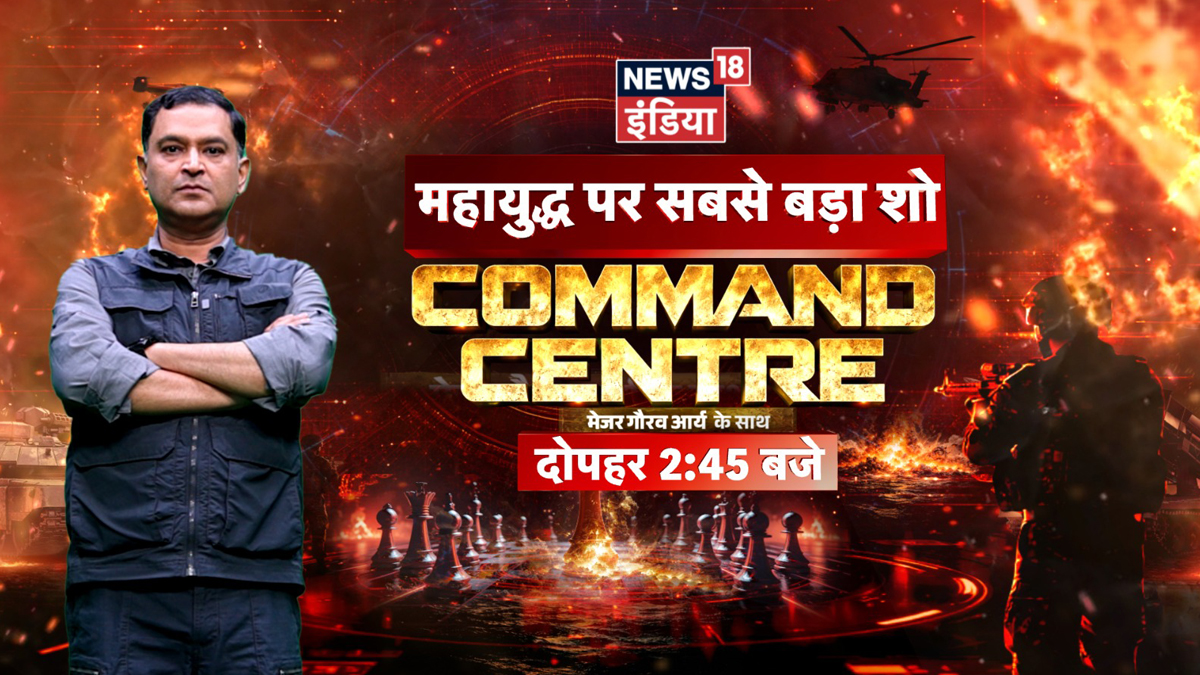
MUMBAI: News18 India has rolled out a new war-focused programme, Command Centre, featuring Gaurav Arya, as it looks to offer viewers a sharper, more grounded take on global conflicts amid rising tensions in West Asia.
Positioned as an “insider war room”, the show moves away from conventional panel debates and instead focuses on explaining military developments, decoding strategy and connecting global events to their everyday impact, from fuel prices to economic shifts.
The format leans heavily on visuals and data. The studio has been designed like a command hub, complete with large LED war maps, real-time graphics and an alert system to track developments as they unfold.
At the centre of it all is Arya, who brings his military background to simplify complex war strategies for viewers. His signature line, “Seedhi baat samjhiye”, anchors the show’s promise of clarity over noise.
News18 India managing editor Jyoti Kamal said, “Command Centre, featuring Major Gaurav Arya is designed to deliver accurate insights and a clear perspective on how evolving conflicts impact everyday life, from household budgets to national security. With expert voices analysing every development in real time, the show goes beyond headlines to decode what’s happening now, what it means, and what could come next.”
Echoing the intent, Gaurav Arya added, “In times of war, confusion is the biggest threat. With News18 India’s Command Centre, we are bringing viewers inside the war room, decoding strategies, tracking every escalation, and explaining, in the simplest terms, what it means for India and for every household. Seedhi baat samjhiye, this is where you understand not just what is happening, but what happens next.”
The weekday show will air in the afternoon slot and will also feature Gaurav Shukla, adding to its editorial depth.
With its mix of analysis, visuals and a clear focus on impact, the show reflects a broader shift in news consumption. Viewers are no longer just watching events unfold, they are looking to understand what those events mean for them.