Applications
Pay to crawl as Cloudflare buys Human Native for the AI age


MUMBAI: In the fast-evolving internet economy, content is no longer just read, it is trained on. And Cloudflare has decided it is time creators got paid for it. Cloudflare has announced the acquisition of Human Native, an AI data marketplace designed to connect content creators with AI developers willing to pay for high-quality, usable data.
The move is aimed squarely at one of the internet’s most contentious questions: who controls, prices and profits from the data fuelling artificial intelligence. By bringing Human Native in-house, Cloudflare plans to make it easier for AI developers to discover and license reliable content, while giving creators and publishers tools to decide whether to block AI bots, optimise content for AI use, or sell access at a fair, transparent price.
At the heart of the deal is Cloudflare’s broader push to shape what it calls the next phase of the open internet. Cloudflare co-founder and CEO Matthew Prince said the acquisition builds on earlier efforts that allowed publishers to control which bots could access their sites. The bigger ambition, he noted, is to create an economic model where content can be discovered, priced and purchased openly, rather than scraped silently.

Founded in 2024 and backed by UK venture firms Localglobe and Mercuri, Human Native was built to address what its founders describe as the “Napster era” of generative AI, where content is widely used but rarely compensated. The team brings experience from companies including Deepmind, Google, Figma and Bloomberg, expertise Cloudflare hopes will accelerate tools that let creators structure and monetise their data without friction.
For AI companies, the appeal is equally clear. As competition intensifies, access to differentiated, high-quality data has become a key battleground. Human Native’s marketplace model is designed to surface valuable datasets while giving rights holders visibility, control and credit.
The acquisition underlines a shift in how the internet’s plumbing is being rewired for AI. Rather than choosing between blocking machines or giving content away, Cloudflare is betting that a third option, pay per crawl, could keep the web both open and economically sustainable.







Applications
With 57 per cent single new users, Ashley Madison rebrands as discreet dating platform
Platform says majority of new members now identify as single
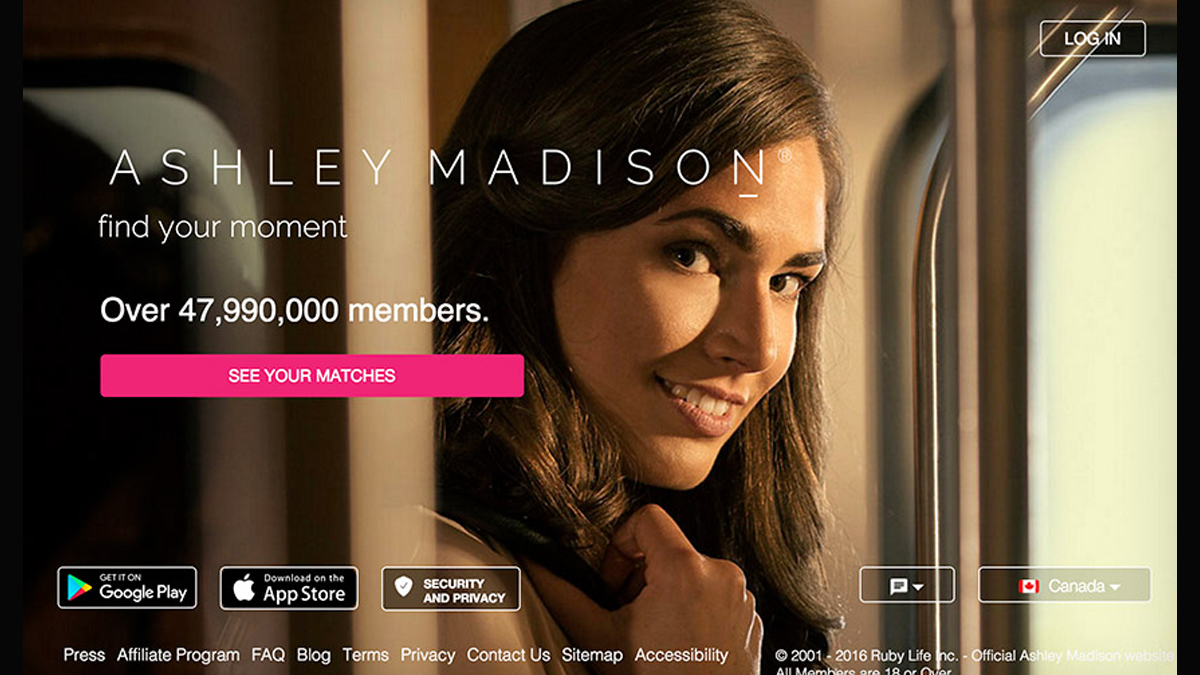
INDIA: Ashley Madison is shedding the “married-dating” label that defined it for two decades, repositioning itself as a platform for discreet dating in what it calls the post-social media age.
The rebrand, unveiled in India on 27 February, 2026, marks a structural shift in business model and identity. Once synonymous with married dating, the company now describes itself as the “premier destination for discreet dating” under a new tagline: Where Desire Meets Discretion.
The pivot is data-driven. Internal figures show that 57 per cent of global sign-ups between 1 January and 31 December, 2025 identified as single: a notable departure from the platform’s married core. The company argues that its community has already evolved beyond its original positioning.
“In an age where our lives have been constantly put on public display, privacy has become the new luxury,” said Ashley Madison chief strategy officer Paul Keable. He framed the platform’s offering as “ethical discretion” for singles, separated, divorced and non-monogamous users seeking private connections.
The shift also taps into wider digital fatigue. A global survey conducted by YouGov for Ashley Madison, covering 13,071 adults across Australia, Brazil, Canada, Germany, India, Italy, Mexico, Spain, Switzerland, the UK and the US, found mounting discomfort with hyper-public online lives.
Among dating app users, 30 per cent cited constant swiping and messaging as a source of fatigue, while 24 per cent pointed to pressure to curate public-facing profiles and early personal disclosure. Some 27 per cent said fears of screenshots or information being shared contributed to exhaustion; an equal share cited unwanted attention.
The retreat from oversharing appears broader. According to the survey, 46 per cent of adults actively try to keep most aspects of their life private online. Only 8 per cent feel comfortable sharing most aspects publicly, while 35 per cent say they are becoming more selective about what they disclose.
Ashley Madison is betting that this cultural recalibration towards controlled visibility can be monetised. By doubling down on privacy infrastructure and reframing itself around discretion rather than infidelity, the company is attempting to convert reputational baggage into a premium proposition.






