iWorld
Paid panic: how paid posts sparked a child-safety scare in Delhi and Mumbai

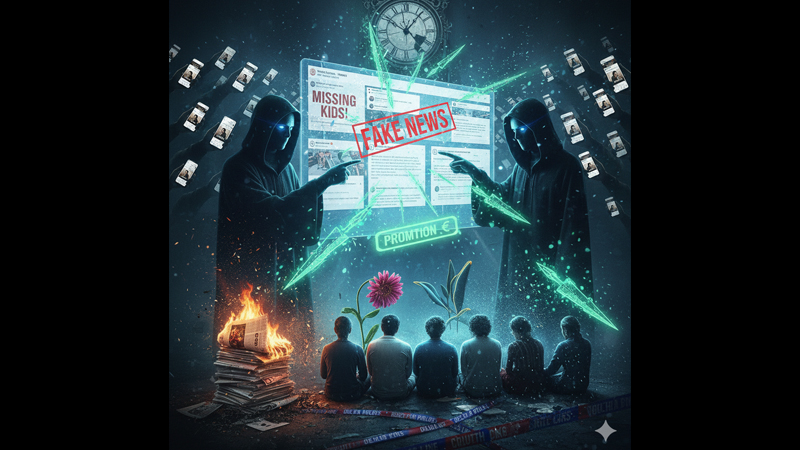
A wave of panic swept through Delhi and Mumbai over the past week as viral social media posts claimed a sudden spike in missing and kidnapped children. The alarm bells proved false. Both cities’ police forces issued categorical denials, pointing fingers at paid promotion and rumour-mongering designed to create public hysteria. The twist: fingers are now pointing at Yash Raj Films, accused of orchestrating the scare as guerrilla marketing for Mardaani 3, its upcoming vigilante thriller about child trafficking.
The episode lays bare a darker truth about India’s social media ecosystem. With smartphone penetration soaring and screen time at record highs, paid promotion tools have become weapons of mass hysteria. A few thousand rupees can boost a post to millions of eyeballs within hours. When that post plays on primal fears like child safety, verification becomes an afterthought. Users share first, question later. The result: manufactured crises that feel real until authorities scramble to debunk them.
Delhi Police took to Instagram 23 hours ago with a blunt message: “After following a few leads, we discovered that the hype around the surge in missing girls in Delhi is being pushed through paid promotion. Creating panic for monetary gains won’t be tolerated, and we’ll take strict action against such individuals.” The post, captioned “Facts matter, Fear doesn’t”, made clear the force’s irritation at being dragged into what it views as a manufactured crisis.

Mumbai Police followed suit, issuing a statement denying claims of kidnappings. “Certain social media handles are misrepresenting data and indulging in rumour-mongering regarding cases of missing and kidnapped children. We categorically deny these claims,” the force wrote. It added that FIRs were being registered against those “deliberately spreading false information and creating public panic.”
The misinformation spread with startling effectiveness. Popular Instagram and Twitter accounts, some with hundreds of thousands of followers, shared alarming statistics and anecdotal reports of vanished children, tagging police handles and demanding action. The posts gained traction quickly, amplified by concerned parents and activists. Only when both police forces traced the origin of the claims did the facade crumble: many of the viral posts were boosted through paid promotion, a telltale sign of coordinated astroturfing rather than organic concern.
Enter Yash Raj Films, the 50-year-old production house behind the Mardaani franchise. The series, starring Rani Mukerji as a no-nonsense cop battling human trafficking rings, has built its brand on gritty, socially conscious thrillers. Mardaani 3 is in production, and online chatter swiftly connected the dots between the missing persons panic and the film’s subject matter. Accusations flew: had YRF seeded fake stories to drum up buzz for its vigilante cop sequel?
YRF issued a furious rebuttal. “Yash Raj Films is a 50-year-old company founded on the core principles of being highly ethical and transparent,” a spokesperson said. “We strongly deny the accusations floating on social media that Mardaani 3’s promotional campaign has deliberately sensationalised a sensitive issue like this and we have immense trust in our authorities that they will share all facts and truths in due course of time.”
The denial is categorical, but scepticism lingers. Guerrilla marketing, viral hoaxes masquerading as public service announcements, manipulated data: these are not unheard of in Bollywood’s playbook, though rarely deployed on such a sensitive issue. Child safety is a third rail; exploiting it for box office returns crosses a line even by the industry’s elastic ethical standards.
Yet the evidence tying YRF directly to the posts remains circumstantial. No smoking gun links the production house to the paid promotions flagged by police. What is clear is that someone paid to amplify posts about missing children at precisely the moment a film about missing children was in the public eye. Whether that someone was a rogue marketing agency, an overzealous publicist, or a bad actor with no YRF connection remains murky.
The fallout is reputational. YRF, which has cultivated a family-friendly, socially responsible image across five decades, now finds itself defending against accusations of weaponising child safety fears. The Mardaani franchise, built on the premise of protecting the vulnerable, risks being tarred as exploitative. Rani Mukerji, the face of the series, has yet to comment.
For Delhi and Mumbai police, the episode is a reminder of social media’s double-edged sword. The platforms amplify genuine crises but also manufacture fake ones with alarming ease. Paid promotion tools, designed to help legitimate businesses reach audiences, can just as easily turbocharge hoaxes. Distinguishing signal from noise requires resources and speed that overstretched forces often lack.
India’s social media consumption has exploded. The average urban user now spends over four hours daily on platforms, doom-scrolling through an endless feed of news, gossip and outrage. Algorithms prioritise engagement over accuracy, pushing emotionally charged content to the top. A post about missing children triggers immediate shares; a dry police denial struggles for traction. By the time fact-checkers mobilise, the lie has circled the country thrice.
Paid promotion supercharges this dynamic. For as little as Rs2,000, anyone can boost a post to lakhs of users, targeting specific demographics and geographies. The tools are legitimate, used daily by small businesses and political campaigns. But in the wrong hands, they become misinformation missiles. A fabricated crisis about child kidnappings, amplified by paid reach, looks indistinguishable from organic concern. Users see friends sharing it, assume it must be true, and hit repost. The cascade is self-reinforcing.
The broader pattern is troubling. Misinformation thrives on emotional triggers: fear for children, distrust of institutions, calls to action. A viral post claiming kidnappings demands immediate sharing; verifying it feels like wasted time when lives might be at stake. By the time authorities debunk the claims, the damage is done. Panic has spread, trust in institutions has eroded, and the original purveyors of the hoax have vanished into the digital ether.
This is the new normal. Every week brings a fresh panic: contaminated food, imminent disasters, communal violence rumours. Most prove baseless. Yet each one finds traction because social media rewards speed over truth. The infrastructure designed to connect people now excels at frightening them. Platforms profit from the chaos; advertisers pay for eyeballs regardless of whether the content is fact or fiction. The incentives are perverse, and there is no fix in sight.
Whether YRF is guilty or merely collateral damage in a misinformation campaign will depend on what authorities uncover in their investigations. The production house insists it has “immense trust” that police will reveal the truth. If that truth exonerates YRF, the studio will still carry the stain of association. If it implicates them, Mardaani 3 will enter cinemas under a cloud that no amount of box office success can dispel.
For now, the message from both police forces is unambiguous: there is no surge in missing children, the panic was engineered, and those responsible will face consequences. Parents can exhale. Social media users might want to pause before hitting share. And Bollywood’s marketers, ethical or otherwise, have been put on notice: weaponising fear for profit will not go unpunished.
A wave of panic swept through Delhi and Mumbai over the past week as viral social media posts claimed a sudden spike in missing and kidnapped children. The alarm bells proved false. Both cities’ police forces issued categorical denials, pointing fingers at paid promotion and rumour-mongering designed to create public hysteria. The twist: fingers are now pointing at Yash Raj Films, accused of orchestrating the scare as guerrilla marketing for Mardaani 3, its upcoming vigilante thriller about child trafficking.
The episode lays bare a darker truth about India’s social media ecosystem. With smartphone penetration soaring and screen time at record highs, paid promotion tools have become weapons of mass hysteria. A few thousand rupees can boost a post to millions of eyeballs within hours. When that post plays on primal fears like child safety, verification becomes an afterthought. Users share first, question later. The result: manufactured crises that feel real until authorities scramble to debunk them.
Delhi Police took to Instagram 23 hours ago with a blunt message: “After following a few leads, we discovered that the hype around the surge in missing girls in Delhi is being pushed through paid promotion. Creating panic for monetary gains won’t be tolerated, and we’ll take strict action against such individuals.” The post, captioned “Facts matter, Fear doesn’t”, made clear the force’s irritation at being dragged into what it views as a manufactured crisis.
Mumbai Police followed suit, issuing a statement denying claims of kidnappings. “Certain social media handles are misrepresenting data and indulging in rumour-mongering regarding cases of missing and kidnapped children. We categorically deny these claims,” the force wrote. It added that FIRs were being registered against those “deliberately spreading false information and creating public panic.”
The misinformation spread with startling effectiveness. Popular Instagram and Twitter accounts, some with hundreds of thousands of followers, shared alarming statistics and anecdotal reports of vanished children, tagging police handles and demanding action. The posts gained traction quickly, amplified by concerned parents and activists. Only when both police forces traced the origin of the claims did the facade crumble: many of the viral posts were boosted through paid promotion, a telltale sign of coordinated astroturfing rather than organic concern.
Enter Yash Raj Films, the 50-year-old production house behind the Mardaani franchise. The series, starring Rani Mukerji as a no-nonsense cop battling human trafficking rings, has built its brand on gritty, socially conscious thrillers. Mardaani 3 is in production, and online chatter swiftly connected the dots between the missing persons panic and the film’s subject matter. Accusations flew: had YRF seeded fake stories to drum up buzz for its vigilante cop sequel?
YRF issued a furious rebuttal. “Yash Raj Films is a 50-year-old company founded on the core principles of being highly ethical and transparent,” a spokesperson said. “We strongly deny the accusations floating on social media that Mardaani 3’s promotional campaign has deliberately sensationalised a sensitive issue like this and we have immense trust in our authorities that they will share all facts and truths in due course of time.”
The denial is categorical, but scepticism lingers. Guerrilla marketing, viral hoaxes masquerading as public service announcements, manipulated data: these are not unheard of in Bollywood’s playbook, though rarely deployed on such a sensitive issue. Child safety is a third rail; exploiting it for box office returns crosses a line even by the industry’s elastic ethical standards.
Yet the evidence tying YRF directly to the posts remains circumstantial. No smoking gun links the production house to the paid promotions flagged by police. What is clear is that someone paid to amplify posts about missing children at precisely the moment a film about missing children was in the public eye. Whether that someone was a rogue marketing agency, an overzealous publicist, or a bad actor with no YRF connection remains murky.
The fallout is reputational. YRF, which has cultivated a family-friendly, socially responsible image across five decades, now finds itself defending against accusations of weaponising child safety fears. The Mardaani franchise, built on the premise of protecting the vulnerable, risks being tarred as exploitative. Rani Mukerji, the face of the series, has yet to comment.
For Delhi and Mumbai police, the episode is a reminder of social media’s double-edged sword. The platforms amplify genuine crises but also manufacture fake ones with alarming ease. Paid promotion tools, designed to help legitimate businesses reach audiences, can just as easily turbocharge hoaxes. Distinguishing signal from noise requires resources and speed that overstretched forces often lack.
India’s social media consumption has exploded. The average urban user now spends over four hours daily on platforms, doom-scrolling through an endless feed of news, gossip and outrage. Algorithms prioritise engagement over accuracy, pushing emotionally charged content to the top. A post about missing children triggers immediate shares; a dry police denial struggles for traction. By the time fact-checkers mobilise, the lie has circled the country thrice.
Paid promotion supercharges this dynamic. For as little as Rs 2,000, anyone can boost a post to lakhs of users, targeting specific demographics and geographies. The tools are legitimate, used daily by small businesses and political campaigns. But in the wrong hands, they become misinformation missiles. A fabricated crisis about child kidnappings, amplified by paid reach, looks indistinguishable from organic concern. Users see friends sharing it, assume it must be true, and hit repost. The cascade is self-reinforcing.
The broader pattern is troubling. Misinformation thrives on emotional triggers: fear for children, distrust of institutions, calls to action. A viral post claiming kidnappings demands immediate sharing; verifying it feels like wasted time when lives might be at stake. By the time authorities debunk the claims, the damage is done. Panic has spread, trust in institutions has eroded, and the original purveyors of the hoax have vanished into the digital ether.
This is the new normal. Every week brings a fresh panic: contaminated food, imminent disasters, communal violence rumours. Most prove baseless. Yet each one finds traction because social media rewards speed over truth. The infrastructure designed to connect people now excels at frightening them. Platforms profit from the chaos; advertisers pay for eyeballs regardless of whether the content is fact or fiction. The incentives are perverse, and there is no fix in sight.
Whether YRF is guilty or merely collateral damage in a misinformation campaign will depend on what authorities uncover in their investigations. The production house insists it has “immense trust” that police will reveal the truth. If that truth exonerates YRF, the studio will still carry the stain of association. If it implicates them, Mardaani 3 will enter cinemas under a cloud that no amount of box office success can dispel.
For now, the message from both police forces is unambiguous: there is no surge in missing children, the panic was engineered, and those responsible will face consequences. Parents can exhale. Social media users might want to pause before hitting share. And Bollywood’s marketers, ethical or otherwise, have been put on notice: weaponising fear for profit will not go unpunished.







iWorld
Samay Raina returns with Still Alive, confronts 2025 controversy in bold comeback special
Comeback set tackles controversy, blending humour with raw storytelling
MUMBAI: Samay Raina is set to release his new stand-up comedy special, Still Alive, on YouTube on April 7, 2026, marking a high-profile return following a turbulent year.
The trailer for the special dropped on April 5, offering a glimpse into what Raina describes as a raw and unfiltered set that leans as much on honesty as it does on humour.
Positioned as a comeback of sorts, Still Alive draws heavily from the controversy surrounding his show India’s Got Latent in early 2025. The episode led to legal trouble, multiple FIRs, and a lengthy six-hour interrogation by the Maharashtra Cyber Cell, placing the comedian at the centre of intense public scrutiny.
Rather than sidestep the episode, Raina leans into it. The special reflects on the fallout and his personal journey through it, blending observational comedy with moments of emotional candour. Early audience feedback from live performances suggests the tone is less about rapid-fire punchlines and more about storytelling with bite.
The special was filmed during his global Still Alive & Unfiltered tour, which ran from August 2025 to early 2026. The tour saw Raina perform across major international venues, including the Madison Square Garden Theatre in New York, a milestone that places him among the youngest Indian comedians to take that stage.
The title itself signals resilience. “Still Alive” is a nod to navigating both legal and public backlash while choosing to remain unapologetically authentic, a theme that appears to anchor the set.
With the special set to premiere online, all eyes are now on how audiences respond to a performance that promises equal parts reflection and wit. For Raina, the message is clear. He is not just back, he is ready to be heard on his own terms.






