iWorld
OTT player Lukup applies for MSO licence


NEW DELHI: Bangalore-based over-the-top (OTT) player Lukup Media has applied for a Multi system Operator (MSO) licence primarily to encourage consumers having a digital set top box to use OTT services.
At present there is lower-than-expected demand for OTT service but the company expects that after acquiring MSO and Internet Service Provider (ISP) licences, it will be able to expand its OTT services. The main reason for lower demand of OTT service is that customers who already own a digital TV STB do not wish to pay extra for OTT services.

Last year, the company had started signing contracts with local cable operators and has signed with 200 operators with a total base of 1.8 million homes.
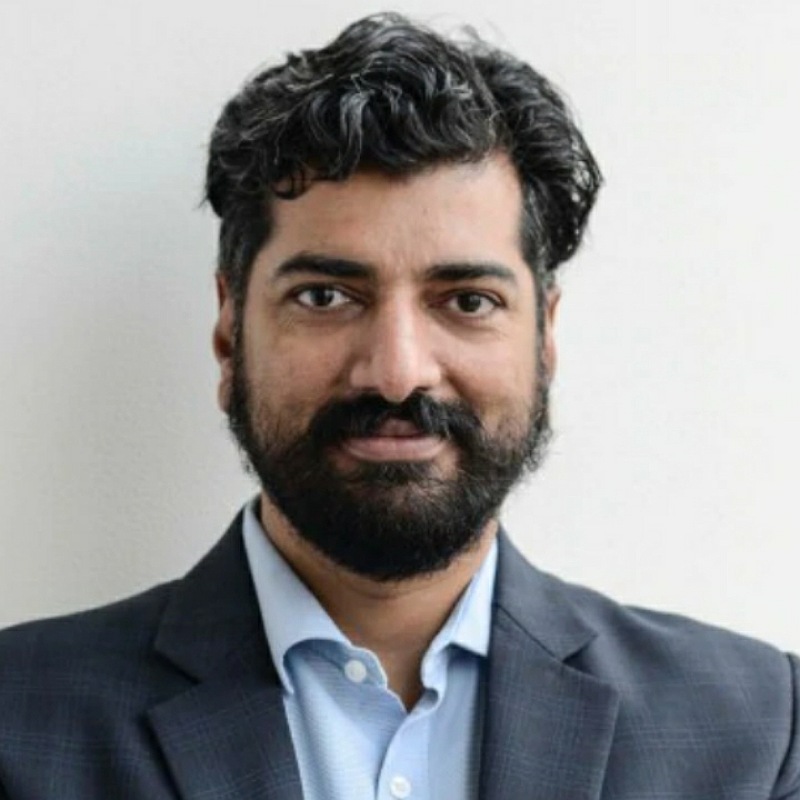
Lukup Media founder CEO Kallol Bora said that the company was looking at investing a sum of Rs 100 – 120 crore to roll out its services in first eight cities.
The company will launch its bundled services in three phases. While the first phase will cover Mumbai, Pune, Hyderabad and Bengaluru, the second phase will cover Delhi NCR and Gujarat. In the third phase, the company will cover 47 cities with over one million population.
Lukup Media has also signed a deal with Widevine for integrating DRM solution. Widevine’s DRM solution provides the capability to license, distribute and protect playback of content on any consumer device.
Lukup can provide now access of protected content to its customers. The content including movies, music and television shows can be accessed to any device even in congested networks.


iWorld
Meta introduces new AI tools to boost discovery-to-purchase journey
From shoppable Reels to generative video, platforms get smarter at turning attention into sales.
MUMBAI: Meta is turning “scroll and stop” into “scroll, stop, and shop” and it’s using AI to make the whole journey feel almost effortless. The company has announced several new tools and enhancements designed to help brands guide people from discovery to purchase more effectively, while delivering more relevant and personalised experiences across its platforms.
Creators can now add product links more broadly on Instagram Reels, turning their content into shoppable moments. Businesses in 22 countries, including India, will soon be able to share their product catalogues with creators, opening up a new sales channel for brands and fresh monetisation opportunities for creators.
The Creator Marketplace has also been upgraded with enhanced target audience filtering, integrated with Ads Manager. This helps businesses quickly find creators who are a strong match for their goals. Campaigns using Partnership Ads deliver, on average, 19 per cent lower CPAs, 13 per cent higher click-through rates, and 71 per cent higher median brand lift.
Meta is expanding Reels Trending Ads inventory with new content categories including TV & Movies, Travel, Business, Finance & Investments. According to Meta’s analysis of 59 studies, Reels Trending Ads delivered an incremental 6.6 percentage point Ad Recall lift compared to control groups.
AI-Powered Shopping Enhancements
- Product Set Optimisation is now in testing, allowing retail media networks to promote specific products with detailed reporting. Early results show 17 per cent lower median seller cost per purchase.
- Product Showcase is being expanded so marketers can upload one image or video and let Meta’s AI automatically add relevant products as a carousel when it improves performance.
Meta is expanding its generative AI capabilities with:
- UGC-style videos featuring avatars and voiceovers
- Easier voiceover translation and text overlay translation in a single streamlined flow
- New tools to automatically turn product catalogues into dynamic video ads for Reels
Early testing of the Advantage+ creative video generation tool showed a 10 per cent increase in CTR and 8 per cent increase in CVR on average. Campaigns using catalog product video saw 20 per cent more conversions per dollar, while Reels placements with catalog product video delivered 33 per cent higher incremental conversions.
Industry voices welcomed the updates. Vikas Chawla of Social Beat called Partnership Ads a “flywheel” for authentic content that converts. Niti Kumar of Spark Foundry and Sadhvi Dhawan of Blink Digital highlighted the power of Reels Trending Ads for cultural relevance and guaranteed share of voice. Ramasish Bhowmik of Adbuffs noted that Meta’s GenAI tools are giving teams a clear competitive edge.
In a world where attention is fleeting but shopping intent can spark in seconds, Meta is betting that smarter AI will help brands turn discovery into decisions faster than ever. The message is clear: the future of advertising isn’t just about reaching people, it’s about reaching them at exactly the right moment, with exactly the right product.






