iWorld
OTT censorship not feasible: former DD additional DG Mukesh Sharma

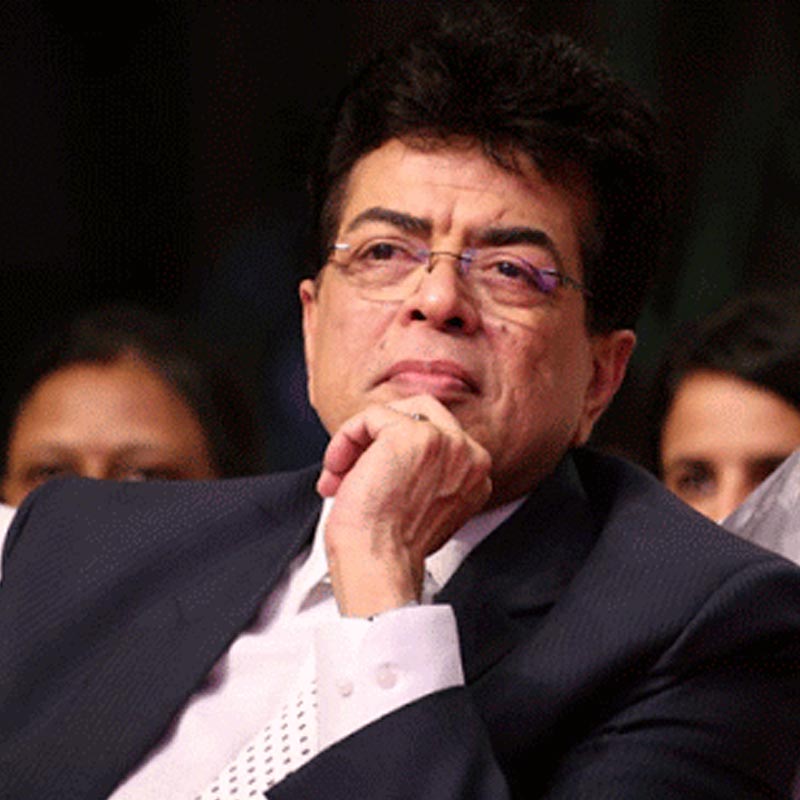
MUMBAI: The censorship of OTT content in today’s dynamic world will not help much, according to Deviprasad Goenka Management College of Media Studies dean Mukesh Sharma.
Sharma, who has also worked with national broadcaster Doordarshan in various capacities in the past and had an illustrious career, said, “What happens today is that with technology if you block one thing, something else pops up. Who knew about OTT five years ago? The government had censored films, TV and everything else, but this medium came up with new challenges. Tomorrow, if OTT is censored, some other platform will crop up.”
He is of the view that the government needs to have faith in its people and can only caution them about the right use of the media instead of blocking content. Sharma contended that the onus also lies on the content creators who should be more sensible and alert towards public sentiments.

Also present at the event was director and producer Anil Sharma, who echoed the same thoughts about censorship. He said, “The censorship of OTT is not in place today, but who knows it might be there in future. I believe that the first censorship comes from self, from within the people. That’s why proper education tools should be there to help people understand the just use of media, be it OTT or any other form.”
Mukesh Sharma also briefed about the massive growth that the media industry is seeing these days. He noted that the M&E industry in India is going to worth around Rs 2.26 lakh crores in 2020. While all the media are growing simultaneously, digital is seeing a huge leap of 30 per cent year-on-year and it is only bound to grow. He feels that OTT definitely has an upper hand on content now.
“At the moment, I do not find anybody going back to television. TV viewing has gone down considerably; film and digital are two platforms which are neck to neck now. But if good films are not made people will stop going to the theatres as well,” he said.
Stating that the industry is getting smarter in terms of content generation, Sharma quipped, “I feel now there is a lot of scope to express oneself, in a way one wants to, in the creative industry. Look at how the movies are performing now. The Khans are tanking at the box office while movies made in tier 2 or tier 3 towns are earning well. Young filmmakers, young actors, people who nobody knew about are now household names. OTT is already making waves in the content sphere and other media are catching up.”
But he feels that there is still a long way to go when it comes to creating good public service and science-related content. He noted that earlier Doordarshan used to broadcast public service announcements and that helped in creating awareness, but today the viewership of Doordarshan has gone down and no other medium has taken the responsibility of sharing these messages. “Earlier the brands were also very creative. For example, the ‘Jaago Re!’ campaign by Tata Tea was a great initiative. While a few brands today as well are trying to work in that space, they are not as extensive as earlier,” he said.


iWorld
Samay Raina confirms return of India’s Got Latent after controversy
Still Alive mixes humour and reflection as comedian revisits 2025 row
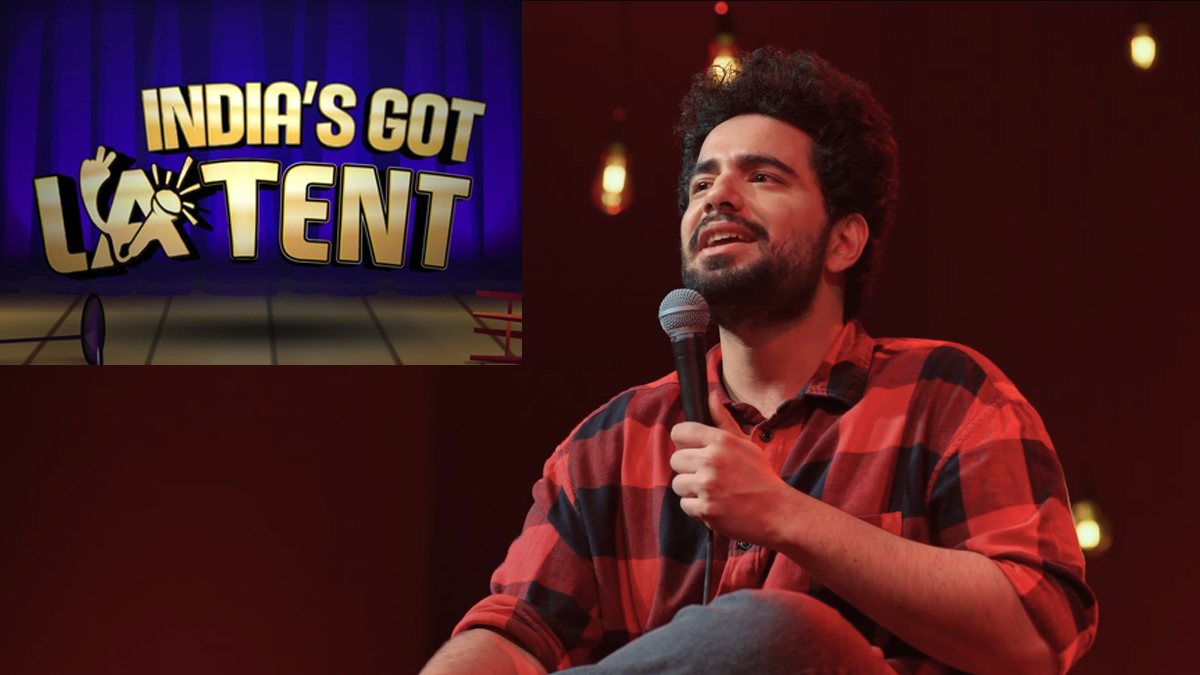
MUMBAI: Samay Raina has signalled a possible return of his controversial show India’s Got Latent, using his latest stand-up special Still Alive to address the past and hint at what lies ahead.
Released on YouTube, the special marks Raina’s most candid take yet on the backlash that forced the show off air in 2025. While much of the performance leans on humour, it also dips into more reflective territory, offering a glimpse into the emotional toll of the controversy.
Recounting the fallout, YouTube comedian samay raina said, “We were both extremely unsettled. How would we navigate this? It was terrifying. We were lost as to what was happening.” He also spoke about a moment involving fellow comedian Balraj Ghai’s family, describing it as overwhelming and difficult to process.
The personal impact of the episode came through most strongly when Raina spoke about his family. He admitted he struggled to even answer a call from his mother during the crisis. YouTube comedian samay raina said, “I hesitated to answer her call and show my tear-streaked face. How would she react? My mom is unaware of anything except how to love.”
Amid the introspection, Raina also dropped a clear hint about the future of his show. While he believes the first season ended on a high note, he confirmed that he intends to revive it. YouTube comedian samay raina said, “I will bring back the show because it used to be fun making it.”
The original run of India’s Got Latent had been pulled down following widespread criticism and legal scrutiny over controversial remarks that went viral, prompting debates around content boundaries in India’s digital entertainment space. Raina later removed episodes and issued an apology, stepping back from major releases for a period.
His return now appears more measured, blending humour with reflection and signalling a creative reset. He also hinted that the next iteration of the show could be more raw and unfiltered, though details remain under wraps.
For fans, the takeaway is simple. The show that sparked both laughter and debate may be gearing up for a second act, with Raina ready to test the limits once again, this time with a sharper sense of where the lines lie.






