Hindi
Off-beat films win top awards in 60th National Film Awards

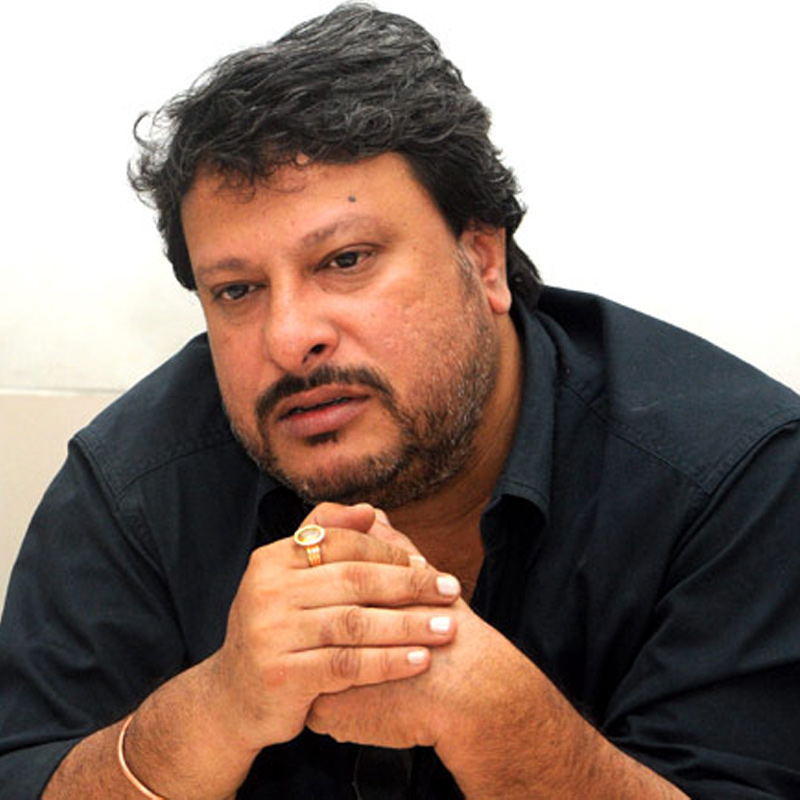
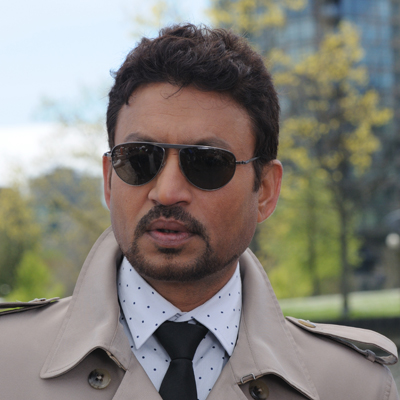
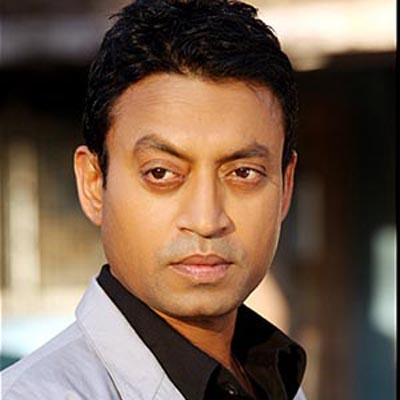
NEW DELHI: The Hindi film ‘Paan Singh Tomar’ by Tigmanshu Dhulia has been selected as the best feature film of 2012 with its protagonist Irrfan Khan sharing the best actor award with the veteran Vikram Gokhale for the film Anumati in Marathi, while Usha Jadhav gets the actress award for her performance in Dhag (Marathi).
Marathi films have bagged another prominent award with Dhag director Shivaji Lolan Patil getting the best director award.
In the Feature Film category, a total of 38 films from 14 languages have been selected for the 60th National Awards. Clearly demonstrating the emergence of quality cinema in 2012 in different languages, many awards have been shared by two different films or artistes.

In the non-feature film category, the award for the Best Film has been conferred on Shepherds of Paradise (Gojri & Urdu) produced and directed by Raja Shabir Khan. In the category of Best Writing on Cinema section, the book Silent Cinema in India – A Pictorial Journey (English) written by the veteran B D Garga and published by Harper Collins Publisher India has bagged the top honour while P S Radhakrishnan has been conferred the award for the Best film Critic with Piyush Roy getting a special mention in this category.
Chittagong (Hindi) and 101 Chodiyangal (Malayalam) have shared the Indira Gandhi award for the Best Debut Film of a Director for Bedaprata Pain and Siddhartha Siva respectively. The award for the Best Popular Film for providing wholesome entertainment has been shared by Vicky Donor (Hindi) by Shoojit Sircar and Ustad Hotel (Malayalam) by Anwar Rashid.
Thespian Anu Kapoor gets the best Supporting Actor award for Vicky Donor, and Dolly Ahluwalia for the film Vicky Donor and Kalpana for the film ThanichallaNjan (Malyalam) get the best supporting Actress awards. The Best Child Artist award has been shared by Master Virendra Pratap for Dekh Indian Circus (Hindi) and Master Minon for 101 Chodiyangal (Malayalam).
The well-known Shankar Mahadevan gets the best Male playback singer award for Bolo Na from the film Chittagong which also gets Prasoon Joshi the best lyricist award. The award for the Best Female Playback singer has gone to the Marathi Samhita for the song Palakein Naa Moon Don by Aarti Anklekartikekar, and Shailender Barve gets the best music direction award for same film. Biji Bal gets the best background score award for Kaliyachan (Malayalam).
ThanichallaNjan (Malayalam) by Babu Thiruvalla gets the Nargis Dutt award for best feature film on national integration, while the Malayalam film Spirit by Renjith gets the best social issues award. The Best film on environment conservation/Preservation also goes to a Malayalam film, Black Forest by Joshy Mathew.
Dekh Indian Circus by Mangesh Hadawale is the best children’s film and Delhi Safari by Nikhil Advani is the best animation film.
Cameraman Sudheer Palsane gets the cinematography award for the Mising film Ko:Yad. The award for the best screenplay writer (original) has been conferred on Sujoy Ghosh for the film Kahaani which also gets the best editing award for Namrata Rao. The award for best Screen play writer (adapted) has been conferred on Bhavesh Mandalia and Umesh Shukla for the film OMG -Oh My God. The award for the best Dialogue has been conferred on Anjali Menon for the film Ustad Hotel (Malayalam).
The audiography awards go for Location Sound Recordist to Radhakrishnan S for the Malayalam Annayum Rasoolum, for Sound Designer to AnirbanSengupta and Dipankar Chaki for the Bengali Shabdo and for Re-recordist of the final mixed track to Alok De, Sinoy Joseph and Shreejesh Nair for ‘Gangs of Wasseypur’. Boontawee ‘Thor’ Taweepasas and Lalgudi N. Ilayaraja get the production design award for Kamal Haasan’s Tamil Viswaroopam. Two Tamil films Paradesi and Vazakkuenn 18/9 get the awards for best costume design by Poornima Ramaswamy and best make up by Raja respectively. Makuta VFX get the special effects award for Eega in Telugu.
A special jury award has been conferred on Rituparno Ghosh for the Bengali film Chitrangadha, and on Nawazuddin Siddiqui for the films Kahaani, Gangs of Wasseypur, Dekh Indian circus and Talaash (Hindi). The award for the best choreography has been conferred on the legendary Pt. Birju Maharaj for the film Vishwaroopam (Tamil).
In the Non-Feature Film category, Vikrant Pawar has got the Best Director award for the film Kaatal (Marathi). The Award for the Best Debut Film of a Director has been conferred to Lipika Singh Darai for the film Eka Gachha Eka Manisa Eka Samudra (Odia). Shumona Goel and Shai Heredia for the film I Am Micro (English) and Vasudah Joshi for Cancer Katha (English) have been selected for Special Jury Award. Timbaktu (English) has been awarded as the Best film in the Environmental category and Dreaming Taj Mahal ( Hindi & Urdu) has been conferred the award for the Best Promotional film.

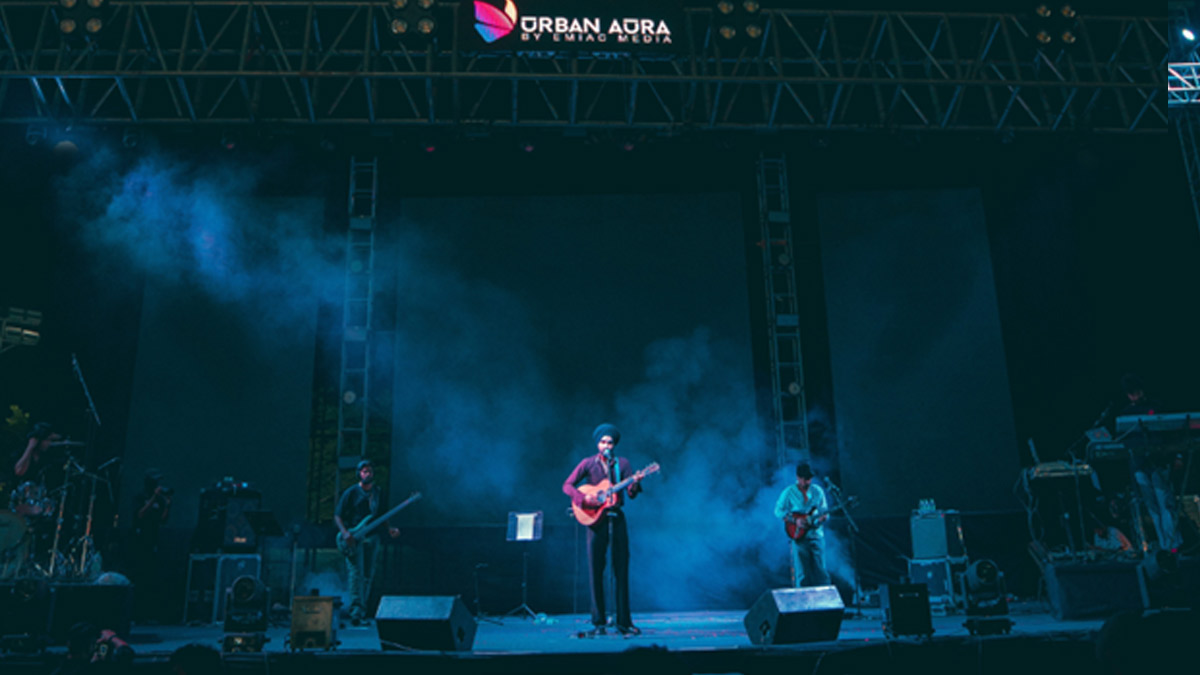
In a music industry that often rewards speed, spectacle, and instant recall, Navjot Ahuja’s journey feels refreshingly different. His story is not built on noise. It is built on patience, discipline, emotional honesty, and a quiet commitment to becoming better with every passing year. After 14 years of struggle, learning, performing, and writing, Navjot stands today as an artist whose success has not changed his centre. If anything, it has only made his purpose clearer.
For Navjot, music has never been about chasing fame alone. It has always been about expression. It is about writing more truthfully, singing more skillfully, understanding himself more deeply, and becoming a kinder human being in the process. That rare clarity is what gives his journey its beauty.
Where It All Began: A Writer Before a Singer
Indian singer and songwriter Navjot Ahuja’s musical journey began in the most familiar of places: school assemblies. But even then, what was growing inside him was not only the desire to sing. It was the need to write.
Long before he saw himself as a performer, he had already discovered the emotional release that writing offered him. For Navjot, words became the first true channel for feeling. Songwriting came before singing because writing was the only way he could let emotions flow through him fully. That inner pull shaped his artistic identity early on.
Like many young musicians, he sharpened his craft by creating renditions of popular songs.
Those experiments became his training ground. But the turning point came in 2012, when he wrote his first original song. That moment did not just mark the beginning of songwriting. It marked the beginning of self-definition.
A Calling He Did Not Chase, But Accepted
What makes the latest Indian singer-songwriter Navjot’s story especially compelling is the way he describes his relationship with music. He does not frame it as a career he aggressively pursued. In his own understanding, music was not something he chose. It was something that chose him.
There was a time when he imagined a very different future for himself. He wanted to become a successful engineer, like many young people shaped by ambition and conventional expectations. But life had a different script waiting for him. During his college years, around 2021, music entered his life professionally and began taking a firmer shape.
That shift was not driven by image-building or industry ambition. It came from acceptance. Navjot embraced the fact that music had claimed him in a way no other path could. That sense of surrender continues to define the artist he is today.
An Artist Guided by Instinct, Not Influence
Unlike many singers who speak openly about idols, icons, and musical role models, Navjot’s creative world is built differently. He does not believe his music comes from imitation or inherited influence. He listens inward.
He has never considered himself shaped by ideals in the traditional sense. In fact, he admits that he does not particularly enjoy listening to songs, especially his own. His decisions as a songwriter and singer come from instinct. He writes what feels right. He trusts what his inner voice tells him. He positions his music according to what he honestly believes in, not what trends demand.
That creative independence gives his work a distinct emotional sincerity. His songs do not feel calculated. They feel alive.
The Long Years of Invisible Struggle
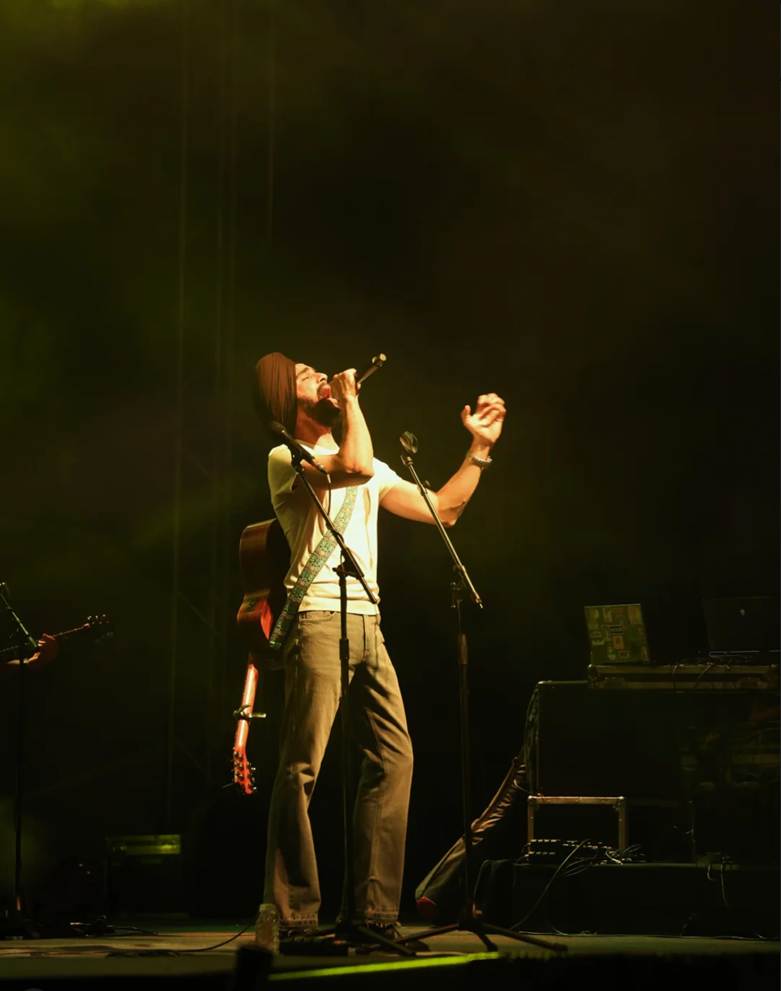
Every artist carries a chapter of struggle, and Navjot’s was long, demanding, and deeply formative. One of the biggest challenges he faced was building continuity as the best new indian singer songwriter in an era where musical collaboration is increasingly fluid.
For emerging singers, especially those trying to build with a band, consistency can be difficult. Instrumentalists today have more opportunities than ever to freelance and perform with multiple artists. While that growth is positive and well deserved, it can make things harder for singers who are still trying to establish a steady team and sound around their work.
For Navjot, one of the most difficult phases came during 2021 and 2022, when he was doing club shows almost every day. It was a period of relentless performance, but not always personal fulfillment. He was largely singing covers because clubs were not open to original songs that audiences did not yet know.
For a new Indian singer and songwriter, that can be a painful compromise. To perform constantly and still not have the freedom to share your own voice requires not just resilience, but restraint.
“Khat” and the Grace of Staying Unchanged
After 14 years of effort, Navjot’s new love song Khat became a defining milestone. Professionally, he acknowledges that the song changed how society viewed him as a musician. It strengthened his place in the public eye and altered his standing in meaningful ways.
Yet personally, he remains unchanged.
That is perhaps the most striking part of his story. Navjot says his routine is still the same. His calm is still the same. His writing process is still the same. He does not want success or failure to interfere with the purity of his art. For him, emotional detachment from public outcomes is essential because the moment an artist becomes too attached to validation, the writing begins to shift.
His joy comes not from numbers, but from the attempt. If he has tried to improve his skill today, if he has written his heart out more honestly than before, then he is at peace.
Growth, Not Glory, Remains the Real Goal
Even now, Navjot is not consumed by labels such as singles artist, performer, or digital success story. His focus remains deeply personal. He wants to sing better. He wants to play instruments better. He wants to understand himself more. And he wants to become a kinder person.
That is what makes Navjot Ahuja’s journey so moving. It is not simply the story of a musician finding recognition. It is the story of an artist who continues to grow inward, even as the world begins to look outward at him. In an age obsessed with applause, Navjot reminds us that the most meaningful success often begins in silence, honesty, and the courage to remain true to oneself.






