iWorld
Ofcom to review digital communications to ensure consumers getting best deals

NEW DELHI: British communications regulator Ofcom will be conducting an overarching review of the nation’s digital communications markets to ensure that communications providers and services continue to meet the needs of consumers and businesses.
Ofcom’s Strategic Review of Digital Communications will examine competition, investment, innovation and the availability of products in the broadband, mobile and landline markets. By assessing these areas as a whole, Ofcom will consider wider questions complementary to those addressed by its regular, three-yearly reviews of individual telecoms markets.

The review is in keeping with a commitment made in May last year when Ofcom had said 2015 would provide a timely opportunity to take stock of the effectiveness of the rules arising from the last major review, 10 years after they were introduced.
Ofcom anticipates that the review will focus on ensuring the right incentives for private-sector investment, which can help to deliver availability and quality of service; maintaining strong competition and tackling obstacles or bottlenecks that might be holding the sector back; and identifying whether there is scope for deregulation in some areas.
This review will be Ofcom’s second major assessment of the wider telecommunications sector. The first began in December 2003 and concluded in September 2005. It led to new rules, which allowed competing providers to access BT’s network, on equal terms, in order to offer phone and broadband services to consumers.
The Strategic Review of Digital Communications will consider the implications of current and future developments for regulation, including: plans from major operators for significant network investment; telecoms services increasingly operating over the internet; and various potential mergers, acquisitions, joint ventures and partnerships in the sector.
Since its last major review, Ofcom has adapted its regulatory approach to reflect the evolving telecom market.
In 2006, it removed retail price controls on competitive telecoms services. In 2010, it brought in new rules to promote competition in superfast broadband. In 2011, it placed a cap on wholesale mobile rates, leading to cheaper calls to mobile phones.
In 2013, Ofcom awarded spectrum for 4G mobile services, with a rule to ensure at least 98 per cent of premises would benefit from the new technology.
Over the last 10 years, average broadband speeds have risen more than twenty-fold since 2005, prices have fallen by around 50 per cent; and the cost of a monthly mobile bundle has halved from around ?32 to ?16.
Ofcom’s recent European Broadband Scorecard shows that the UK also leads the EU’s five biggest economies on most measures of coverage, take-up, usage and choice for different kinds of broadband, and performs well on price.
Ofcom wants to continue to support the development of the market by providing a clear and strategic regulatory framework. This will be designed both to promote competition and to support continued investment and innovation that can benefit consumers and businesses in the form of coverage, choice, price and quality of service.
Ofcom acting chief executive Steve Unger said, “We have seen huge changes in the phone and broadband markets since our last major review a decade ago. Only five years ago, hardly any of us had used a tablet computer, high-definition streaming or 4G mobile broadband. The boundaries between landline, mobile and broadband services continue to blur, and people are enjoying faster services on a growing range of devices. Our new review will mean Ofcom’s rules continue to meet the needs of consumers and businesses by supporting competition and investment for years to come.”
Sky Group CEO Jeremy Darroch said the broadcaster welcomed the review, describing the telecommunications sector as “vital” to the UK’s future but suggested there were serious questions about whether the existing structure could deliver the infrastructure, innovation and choice that consumers and businesses need.
“Structural separation of Openreach, the UK’s only nationwide broadband infrastructure, is at the heart of creating a sustainable industry; one that provides the capacity and incentive to invest whilst also harnessing the power of multiple competing retailers to drive higher take up and lower prices for customers,” he contended.
TechUK deputy CEO Antony Walker added, “The UK has a world class communications network, which is vital to supporting the growth of our digital economy. To maintain our leadership position, a supportive policy and regulatory environment is needed to encourage ongoing investment and innovation. That’s why we’re particularly pleased to see that Ofcom’s review will include ensuring the right incentives for investment.”




iWorld
Crocs India ropes in Rakesh Bedi for quirky new digital campaign
Veteran actor brings humour and nostalgia to brand’s latest ‘Crocshake’ film.

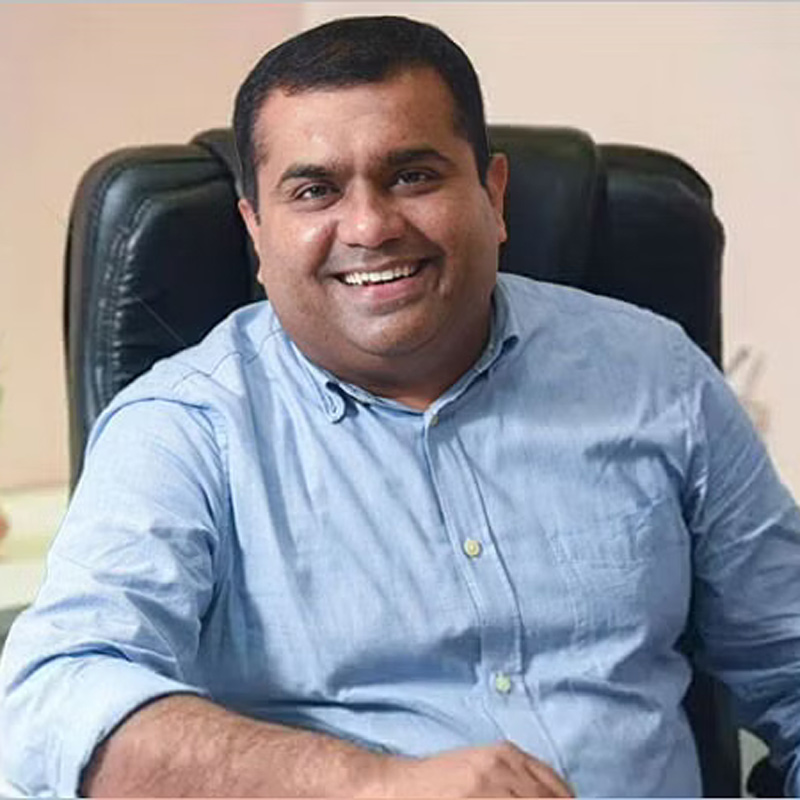
MUMBAI: Crocs has decided to shake things up quite literally by teaming up with veteran actor Rakesh Bedi for its latest digital campaign. The campaign, conceptualised by One Hand Clap, cleverly taps into the current wave of nostalgia and character-led content. It features Rakesh Bedi, who is currently enjoying renewed popularity after Dhurandhar, in a series of increasingly chaotic yet humorous everyday situations.
At the centre of the film is a simple handshake that spirals into a chain of unexpected twists, culminating in the fun “Crocshake.” The light-hearted narrative highlights how ordinary social moments can turn into memorable ones, perfectly aligning with Crocs’ brand ethos of individuality, comfort, and self-expression.
Crocs India country manager Manoj Juneja said the campaign reflects the brand’s desire to stay culturally relevant. “This collaboration with Rakesh Bedi blends humour, nostalgia, and contemporary trends to create content that entertains and sparks conversations,” he noted.
Rakesh Bedi added, “What I loved about this campaign was how naturally the humour came through. It takes a simple, everyday situation and turns it into something completely unexpected. It’s always exciting to be part of something audiences can instantly connect with.”
The campaign builds on Crocs India’s ongoing strategy of creating relatable, digital-first storytelling that resonates with a wide audience while staying true to the brand’s playful personality.
In a crowded footwear market, Crocs continues to stand out by keeping things fun, comfortable, and conversation-worthy proving once again that sometimes all you need is a good shake (or Crocshake) to make your mark.







