Gaming
Nodwin Gaming gets Rs 164 crore backing from PUBG creator Krafton

KOLKATA: Built on the world's largest youth demographic and fuelled by affordable smartphone and data prices, e-sports has seen a surging demand which has led to Nodwin Gaming receiving a minority investment of Rs 164 crore from South Korean gaming firm Krafton.
Nodwin Gaming will channelise these funds to accelerate the development of e-sports in South Asia, Middle East and Africa, support talent, provide better gaming infrastructure and technology and conceptualise, organise and execute a multitude of tournament IPs at the national and international level.
This round of funding follows previous investments from Rakesh Jhunjhunwala-backed Nazara Technologies and from JetSynthesys backed by Infosys co-founder Kris Gopalakrishnan.

“Esports will be a key pillar to the growth of sports entertainment in the future. It sits at a wonderful intersection of sports, entertainment and technology where nations such as India can pave the path. With Krafton coming on board, we have an endorsement from the mecca of gaming and e-sports – South Korea, on what we are building from India for the world based on our competence in mobile first markets,” said Nodwin Gaming co-founder and managing director Akshat Rathee.
Krafton is one of the top gaming companies in South Korea and is the creator of intellectual properties and games such as PlayerUnknown’s Battlegrounds (PUBG), TERA, Golf King, Castle Burn among others.
India banned PUBG and hundreds of other apps with affiliation to China last year citing cybersecurity concerns. Krafton has been attempting to bring PUBG Mobile back in India, with no luck yet. To assuage the Indian government’s concerns about users’ security, the South Korean firm said it had cut ties with Chinese publisher Tencent.
Krafton CEO Changhan Kim said, “Krafton is excited to partner with Nodwin Gaming to help foster the promising esports ecosystem and engage with our fans and players in India. Taking the momentum from this partnership, we will explore additional investment opportunities in the region to uphold our commitment and dedication in cultivating the local video game, esports, entertainment, and tech industries.”
Post the transaction, Nazara will continue to own a stake in excess of 50 per cent in Nodwin Gaming. Nazara invested the e-sports firm in 2018 and this investment has created a value in excess of 6.44X in three years.
Nazara technologies CEO Manish Agarwal said, “Nazara has been an early and strong believer in the potential of esports to disrupt the sports entertainment market and we believe this partnership between Krafton and the Nazara group will accelerate the growth of esports and open doors for collaboration between Indian and Korean gaming companies in future.”
JetSynthesys VC and MD Rajan Navani, the founder investor who helped envision Nodwin Gaming at the conception stage itself, added, “We identified the early opportunity in esports as a key pillar to build the gaming ecosystem in India and this investment is an endorsement of the tremendous potential of esports in the journey of a new Atmanirbhar Bharat. Akshat, Gautam and other members of the founding team are true gems of a youthful India that is raring to conquer the world and we at JetSynthesys are excited about what the future holds for us.”




Gaming
Konami concludes successful eFootball India campaign
Campaign featuring Rinku Singh, Varun Chakravarthy and other stars boosts engagement ahead of FIFA World Cup 2026.
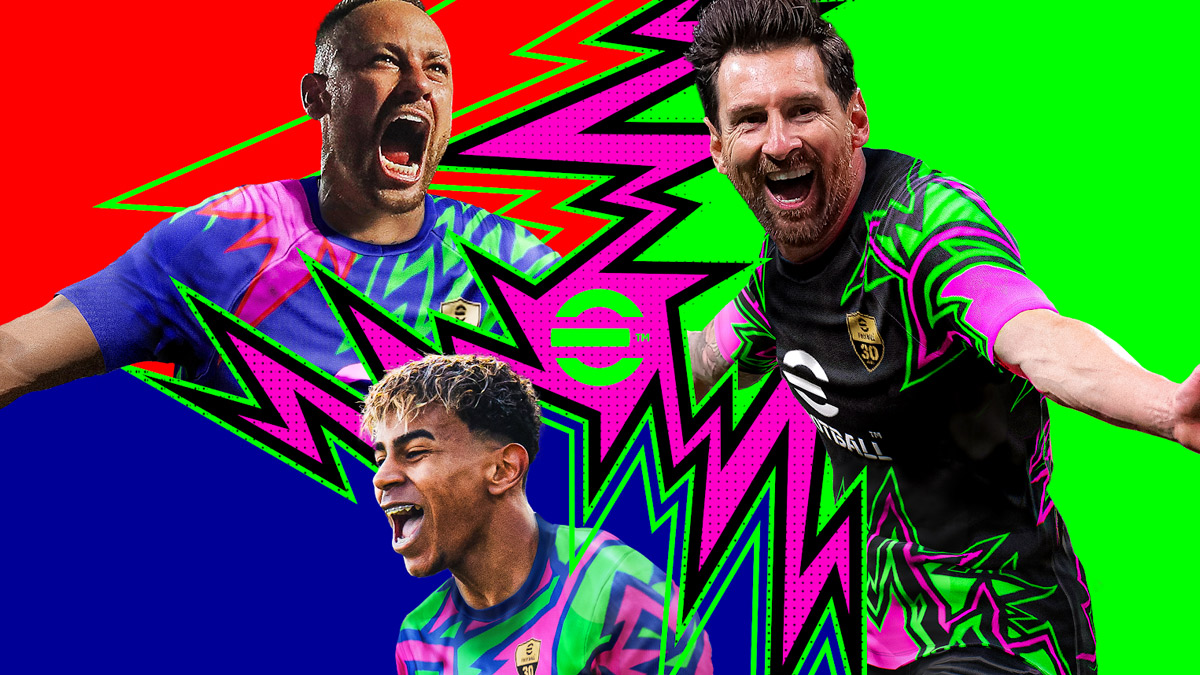
MUMBAI: When cricket meets football in the virtual world, even the biggest fans can’t help but score and Konami’s latest eFootball campaign in India has clearly hit the back of the net. Konami Digital Entertainment has successfully wrapped up its India campaign for eFootball, which brought together cricketers Rinku Singh and Varun Chakravarthy, actors Naslen Gafoor and Chandu Salim Kumar, and footballers Sahal Abdul Samad and Shubhasish Bose. The multi-star campaign generated strong excitement across gaming, football, and creator communities through social content, fan participation, and in-game engagement.
Building on the initial launch that featured a limited-time Lionel Messi card, the campaign united fan communities, lifestyle creators, football creators, and competitive eFootball influencers. It significantly expanded the game’s visibility and deepened engagement with fans across the country.
The campaign also saw thousands of entries submitted as part of its social media engagement challenge, reflecting high levels of community enthusiasm and active creator involvement.
Looking ahead, Konami plans to build on this momentum with more eFootball experiences for Indian fans as the FIFA World Cup 2026 approaches. With global attention on the tournament set to rise, India will remain a key market for deepening community engagement and bringing fans closer to the action.
In a country that lives and breathes sport, Konami has shown that mixing real-world stars with virtual thrills is a winning formula leaving fans eagerly waiting for the next goal.






