Gaming
Nodwin and co make a grand move to put Indian chess on the esports map

MUMBAI: In a bold opening move to reinvent chess for the digital age, Nodwin Gaming has announced a three-way strategic alliance with Chess.com and ChessBase India. This unlikely but high-powered trio of esports, grassroots chess, and global tech is aiming to supercharge India’s presence in the fast-evolving world of chess esports.
The partnership promises a future-ready ecosystem built on three strengths: Nodwin’s slick production and broadcast chops, ChessBase India’s deep community roots, and Chess.com’s global tech muscle. Together, they’ll co-create original IPs, host high-stakes tournaments, produce creator-driven content, and unlock new avenues for brand partnerships — all while turning chess into a legitimate esport.
Speaking on the announcement, Nodwin Gaming co-founder and managing director Akshat Rathee said, “Chess is undergoing a cultural renaissance, from park benches and schoolrooms to sold-out esports arenas and creator streams. Chess has now become the fourth most-watched sport in the country after cricket, kabaddi, and Bgmi tournaments. With this partnership, we’re not just supporting a heritage game, we’re aiding in its natural course of progression. By combining each organization’s unique strengths, we’re building a future-ready ecosystem that can take Indian chess from heritage to hype. It’s time the brilliance of our grandmasters meets the energy of our digital generation.”

India is fast emerging as a chess superpower — both on and off the board. Chess.com saw over 7.6 billion games played globally in 2024, with India alone clocking 9 million+ monthly active users. Viewership on the platform exploded by 640 per cent year-on-year, capped by 24 million views during Gukesh Dommaraju’s World Championship win, streamed jointly by Nodwin, ChessBase India, and Chess.com.
Speaking on the alliance, ChessBase India CEO Sagar Shah said, “This partnership is not just a business alliance — it’s a vision to grow the chess community in India from the grassroots to the grand stage. For the last decade, we’ve focused on building a robust chess culture in the country, and now, with Nodwin and Chess.com by our side, we hope to bring forth more opportunities to all those involved in the chess ecosystem.”
Chess.com India country director Avadh Shah said, “Chess has been one of the most dominant and fastest growing sports in the last 3 years across India and the world. In terms of both participation and viewership, chess is experiencing record-breaking numbers—the highest we’ve ever seen. Given the excitement around the sport, it is only fitting that the leading companies within the ecosystem collaborate to further its development and invite partners to join this journey as well.”
Mobile is the dominant screen, with over 80.9 per cent of Indian chess viewership happening on smartphones. Cities like Mumbai, Delhi, Bangalore, and Chennai rank among the world’s top chess-consuming metros, fuelled by millennial and Gen Z audiences.
The game’s next big test? Chess at the Esports World Cup 2025 with a cool $1.5 million prize pool. India’s very own S8UL Esports will field grandmasters Nihal Sarin and Aravindh Chithambaram, marking the first time an Indian esports org will compete in international chess at this level.
As chess makes its way from quiet corners to centre stage, this partnership is playing for the long game — building a pipeline of tournaments, influencer content, grassroots engagement, and global ambition.
Checkmate, but make it mainstream.





Gaming
Konami concludes successful eFootball India campaign
Campaign featuring Rinku Singh, Varun Chakravarthy and other stars boosts engagement ahead of FIFA World Cup 2026.
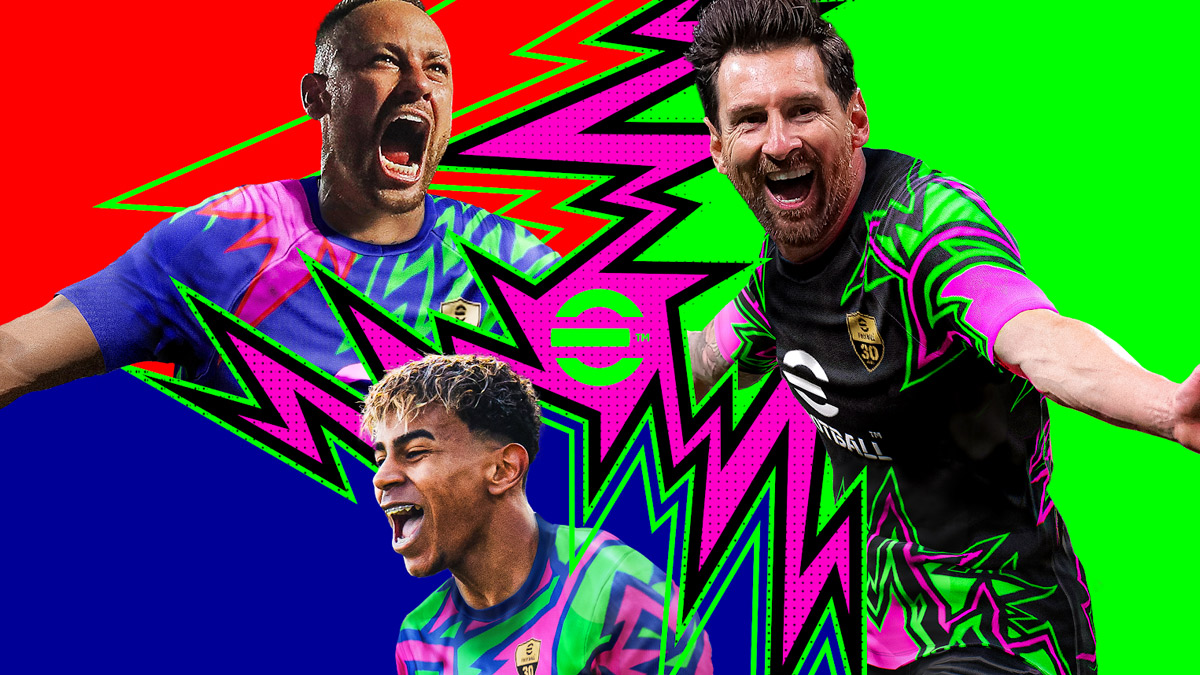
MUMBAI: When cricket meets football in the virtual world, even the biggest fans can’t help but score and Konami’s latest eFootball campaign in India has clearly hit the back of the net. Konami Digital Entertainment has successfully wrapped up its India campaign for eFootball, which brought together cricketers Rinku Singh and Varun Chakravarthy, actors Naslen Gafoor and Chandu Salim Kumar, and footballers Sahal Abdul Samad and Shubhasish Bose. The multi-star campaign generated strong excitement across gaming, football, and creator communities through social content, fan participation, and in-game engagement.
Building on the initial launch that featured a limited-time Lionel Messi card, the campaign united fan communities, lifestyle creators, football creators, and competitive eFootball influencers. It significantly expanded the game’s visibility and deepened engagement with fans across the country.
The campaign also saw thousands of entries submitted as part of its social media engagement challenge, reflecting high levels of community enthusiasm and active creator involvement.
Looking ahead, Konami plans to build on this momentum with more eFootball experiences for Indian fans as the FIFA World Cup 2026 approaches. With global attention on the tournament set to rise, India will remain a key market for deepening community engagement and bringing fans closer to the action.
In a country that lives and breathes sport, Konami has shown that mixing real-world stars with virtual thrills is a winning formula leaving fans eagerly waiting for the next goal.






