I&B Ministry
Nod to Idea, Star Den & four may fetch Rs 1200 cr FDI; You & Crest proposals deferred

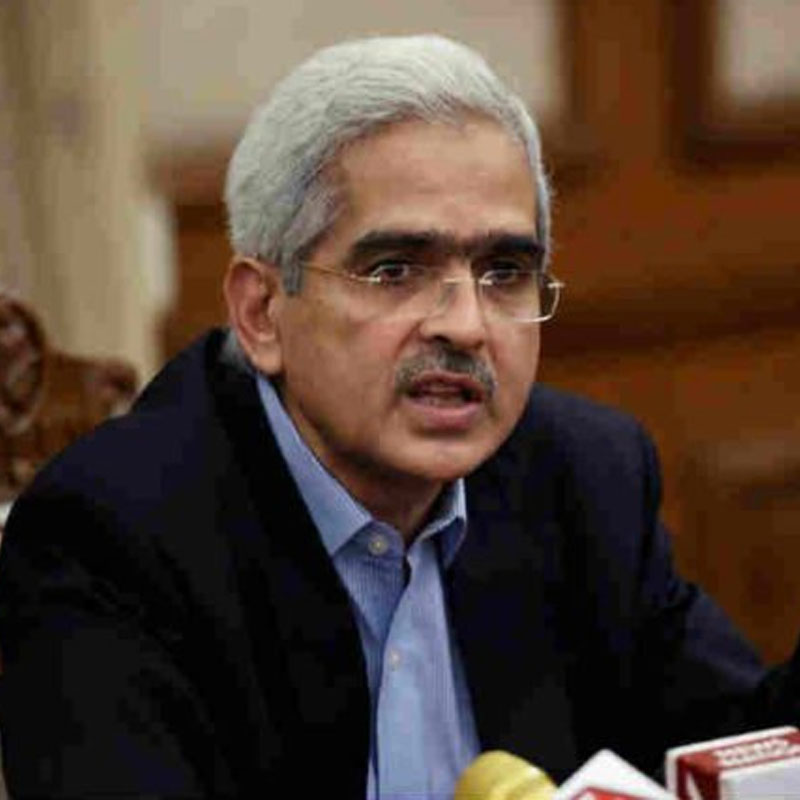
MUMBAI: Inter-ministerial body Foreign Investment Promotion Board has okayed six investment proposals, including Idea Cellular and Star Den Media Services expecting an investment of Rs 1,200 crore (USD 176.5 million).
Idea Cellular Infrastructure Services (ICISL) had filed an application to raise foreign investment level in it to 67.5 per cent. ICISL is a wholly-owned subsidiary of Idea, which has become a foreign-owned firm with more than 50 per cent overseas investment. Star Den Media Services Pvt. Ltd. develops and distributes television, cable, and the related network platforms. It offers a platform for distributing television channels in India through all fixed networks including cable, direct to home, and internet protocol television.
Other proposals which got a go-ahead are — Sanofi Synthelabo India, Boehringer Ingelheim India, A Menarini India Pvt Ltd and Recipharm Participation. The FIPB, led by the economic affairs secretary Shaktikanta Das, rejected three proposals, including AMP Solar India Pvt Ltd. and six proposals were deferred for further consultation and want of more information.

Among the proposals deferred were You Broadband India, Crest Premedia Solutions and Scientific Publishing Services.
Indiantelevision.com had earlier reported that the board will consider 17 foreign investment proposals on 28 December, including that of Star Den Media.
FIPB had in June this year rejected a proposal of Flag Telecom Singapore, a wholly-owned unit of Reliance Communications (RCom), to set up a telecom subsidiary in India. Flag Telecom reportedly planned to acquire a company, payout for which would have been around US$120 million — in two parts.
India allows FDI in some of the industry sectors via the automatic route, but, in certain segments that are considered sensitive for the economy and security, the proposals need to be cleared by FIPB first. FIPB had earlier met on 26 September to consider foreign investment proposals, including that of Idea Cellular.
The Indian government has taken a series of measures in the recent past to give a fillip to foreign direct investment. In the first half of the current fiscal year, the inflows were USD 21.62 billion. FDI increased by 29 per cent to USD 40 billion in 2015-16 as compared to the previous fiscal.
Also Read:
Star Den, Flag Telecom, You & Idea FDI meet on 28 Dec
Govt defers decision on FDI for Vodafone to acquire You Broadband




I&B Ministry
Digital radio, D2M tech set to reshape broadcasting and public messaging
Govt pushes next-gen delivery while TRAI tightens grip on spam ecosystem
NEW DELHI: India’s broadcasting and telecom landscape is undergoing a quiet but significant upgrade, with digital radio and Direct-to-Mobile (D2M) technologies emerging as powerful tools for mass communication, while regulators step up efforts to tackle spam calls.
According to the Ministry of Information and Broadcasting, digital radio and D2M are poised to transform how content reaches audiences by making more efficient use of spectrum. In simple terms, multiple channels can now be delivered over a single frequency, opening the door to a wider range of free-to-air content.
D2M technology takes this a step further by enabling video, audio and data to be broadcast directly to mobile handsets without relying on SIM cards or mobile data. The result is a resilient and cost-effective data pipe that can deliver everything from entertainment and education to critical emergency alerts, even in low-connectivity scenarios.
At the same time, the Telecom Regulatory Authority of India is tightening its grip on unsolicited commercial communication, better known as spam calls. The regulator has deployed a distributed ledger technology platform to bring transparency and accountability into the system.
Through this blockchain-based setup, consumers can register their preferences on receiving promotional messages, while businesses and telemarketers must also sign up and operate within defined rules. The platform also includes a complaint mechanism that allows users to report spam, with complaints shared across telecom operators for coordinated action.
The government’s broader push is being supported by infrastructure upgrades under the Broadcasting Infrastructure and Network Development scheme. Implemented through Prasar Bharati, the initiative focuses on modernising networks such as Akashvani and Doordarshan, including digitisation and adoption of next-generation broadcast equipment.
In a written reply in the Lok Sabha, Ministry of Information and Broadcasting minister of state for information and broadcasting L. Murugan said these steps are part of a larger effort to promote emerging technologies and strengthen the country’s broadcasting backbone. The response came to a query raised by member of Parliament Rao Rajendra Singh.
Together, these developments point to a dual-track strategy: expanding access to reliable, low-cost content while cleaning up the communication ecosystem. As digital pipes get smarter and spam filters sharper, India’s airwaves may soon feel a lot less noisy and far more useful.






