I&B Ministry
No assessment made on impact of NTO 2.0 on DD Free Dish: I&B minister

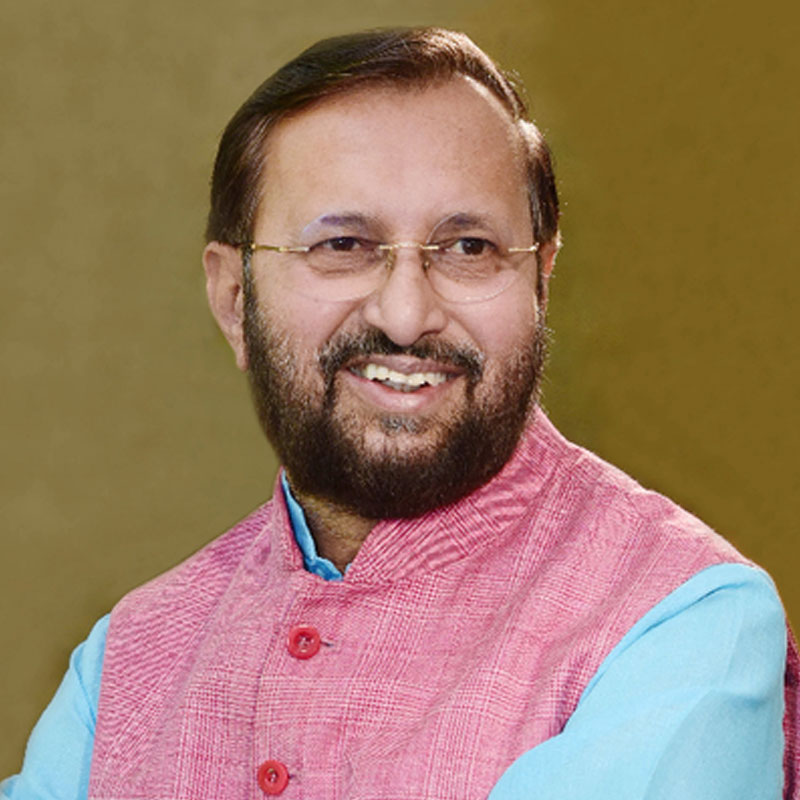
NEW DELHI: No assessment on the impact of new tariff order (NTO 2.0) on the public broadcaster Prasar Bharati’s free DTH platform DD Free Dish has been carried out by the Telecom Regulatory Authority of India (TRAI), revealed I&B minister Prakash Javadekar in response to a question by Congress MP Manish Tewari in the parliament.
Tewari had asked whether TRAI has conducted an assessment of how regulations issued on 1 January 2020 impact the growth and popularity of Doordarshan’s Free Dish platform, to which Javadekar responded, “No such assessment has been conducted by TRAI.”
He also added that the main objectives of the regulatory framework are to establish a harmonised business process in the sector, ensure level playing field, bring in transparency in TV channel pricing, reduce litigations among stakeholders and provide equal opportunities to smaller multi-system operators (MSOs).

He also noted that TRAI notified the regulatory framework on 3 March 2017 for broadcasting and cable services after due consultation with the stakeholders. “In order to address the issues faced by the consumers, while balancing the interest of broadcasters as well as the distribution platform operators (DPOs) to create a level playing field, TRAI, after due consultation with the stakeholders, issued amendments to the regulatory framework for broadcasting and cable services sector on 01.01.2020.”




I&B Ministry
Press Sewa Portal digitises 1.5 lakh records, streamlines periodical registrations: MIB
Online system spans 780 districts; Rs 5.6 crore penalties, 88,315 titles cancelled
NEW DELHI: India’s print media registry has quietly moved from dusty files to digital dashboards. The government has digitised more than 1.5 lakh historical records of newspapers and periodicals and shifted registrations fully online through the Press Sewa Portal.
Introduced under the Press and Registration of Periodicals (PRP) Act, 2023, the portal now handles all applications for registering periodicals, replacing the earlier paper-heavy system created under the Press and Registration of Books Act, 1867, which has since been repealed.
The digital shift brings a wide range of services onto a single platform. Publishers can now register new periodicals, revise registrations, transfer ownership, file annual statements, pay penalties online and apply for circulation verification without navigating government offices.
As part of the rollout, specified authorities in 780 districts across India have been onboarded onto the platform. Since 1 March 2024, the portal has processed 11,081 applications and issued certificates across different categories.
The transition has also brought stronger compliance. According to government data, Rs 5.63 crore in penalties has been collected through the portal so far. States such as Maharashtra, Karnataka, Tamil Nadu, Uttar Pradesh and Madhya Pradesh account for some of the largest penalty collections.
At the same time, the authorities have carried out a major clean-up of inactive or non-compliant publications. A total of 88,315 periodicals have been cancelled nationwide, with Maharashtra, Uttar Pradesh and Delhi among the states reporting the highest number of cancellations.
The government says the system will continue to evolve based on feedback from users. The Press Registrar General of India (PRGI) regularly reviews suggestions to improve services and make compliance easier for publishers.
The full list of registered newspapers and periodicals is available on the PRGI website under the Registered Titles section.
The information was shared in a written reply in the Lok Sabha by minister of state for information and broadcasting and parliamentary affairs L Murugan, responding to a question from Damodar Agrawal.