News Broadcasting
No agreement, but IBF, MSOs continue discussions

NEW DELHI: The meetings that the Indian Broadcasting Foundation (IBF) panel had separately today with some of the MSOs in Delhi over various issues relating to conditional access system (CAS) proved to be inconclusive, though both the MSOs and the broadcasters said it was “positive step” in the right direction as such meetings had never been held in the past.
According to information available with indiantelevision.com, the various MSO representatives have asked for a distribution margin around 70 per cent, something which did bother the broadcasters whose point of view was that these margins are much above global trends.
According to an IBF source, “Our aim is simple: dispel the perception that broadcasters are against CAS. Rather, such meetings now will be an ongoing process and broadcasters would like to sort out contentious issues with the cable industry. After all, we are all part of the same big industry.”

The individual meetings went on for long and some more with big independent cable operators are also scheduled tomorrow. It seems that both the broadcasters and the cable industry want to go into tomorrow’s government-piloted task force meeting on CAS with something to show.
In the last task force meeting held about 10 days ago, the chairman of the task force, Rakesh Mohan, joint secretary in the information and broadcasting ministry, had requested the broadcasters and the cable industry to sort out issues like distribution margins amongst themselves so that the panel could take forward the implementation of CAS to its logical end.
Pointing out that the talks today did not bring out things in black and white, a senior representative of an MSO told indiantelevision.com that when queried on the individual pricing of channels in a bouquet, the IBF panel is reported to have said that this was an issue that should be discussed with individual broadcasters.
The IBF source said, “Now these discussions should be held individually with broadcasters as the plans each broadcaster are different.”
The broadcasters’ stand has been that unless the pricing of free to air channels in the basic tier in a post CAS regime is defined, it would be difficult to arrive at individual pricing of channels in a bouquet.
Various bouquets are priced differently and in most of them there are some ‘weak’ channels that ride the package. For example, the Zee Music channel in the Zee Turner bouquet or National Geographic Channel in the Star bouquet or Animal Planet in the One Alliance are considered `weak’ channels and the government has directed that when CAS is implemented the pricing of each channel should also be made public to be displayed by cable operators for the consumers’ benefit.
Star India representative during one of the meetings with Siti Cable is reported to have said that a 70 per cent distribution margin is on the higher side as the global trend puts the figure around between 50-55 per cent.
An MSO is also reported to have opined that if individual meetings with broadcasters need to take place then a time-bound schedule should also be given as this process may be time consuming.
The MSOs’ stand has been that unless the broadcasters sort out such issues they would be unable to firm up a business plan and order equipment needed for implementing CAS — again a matter that was discussed during the last task force meeting.




News Broadcasting
TV9 to host What India Thinks Today Summit 2026 in Delhi
PM Narendra Modi to keynote two day forum on India and the world
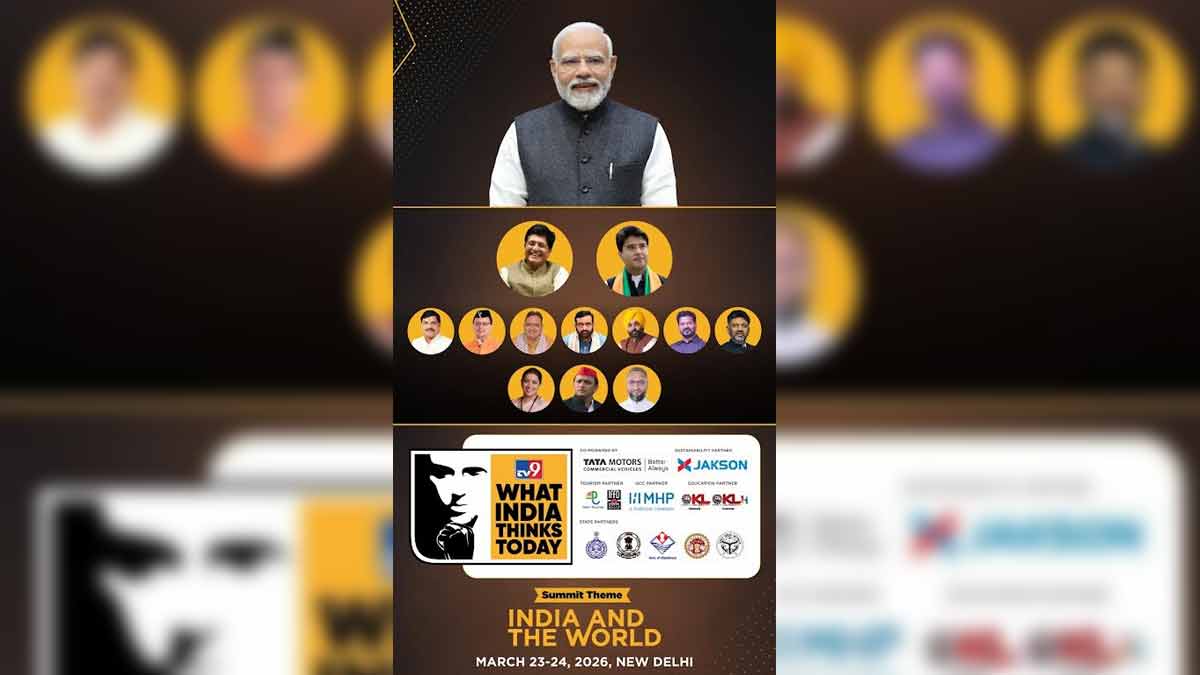
NEW DELHI: TV9 Network is gearing up to host the fourth edition of its flagship What India Thinks Today Summit 2026 on March 23 and 24 in the national capital, bringing together a wide spectrum of voices to debate India’s place in a shifting global order.
The summit will open with a keynote address by Narendra Modi, setting the tone for this year’s theme, “India and the world”, as the country positions itself at the crossroads of economic growth, geopolitical shifts and technological change.
From cabinet ministers to chief ministers, business leaders to cultural figures, the event promises a crowded stage and a lively exchange of ideas. Union ministers such as Piyush Goyal and Jyotiraditya Scindia are expected to attend, alongside state leaders including Mohan Yadav, Pushkar Singh Dhami, Bhajan Lal Sharma, Nayab Singh Saini and Bhagwant Mann.
Political voices from across the aisle, including Smriti Irani, Akhilesh Yadav and Asaduddin Owaisi, will also join the conversation, ensuring that the debates are as diverse as they are dynamic.
Adding a cultural and sporting touch, personalities such as yoga guru Swami Ramdev, poet Kumar Vishwas and cricketing names like Sourav Ganguly, Axar Patel and Arshdeep Singh are set to share the stage. Global business leaders and diplomats will further widen the lens, reflecting the summit’s international outlook.
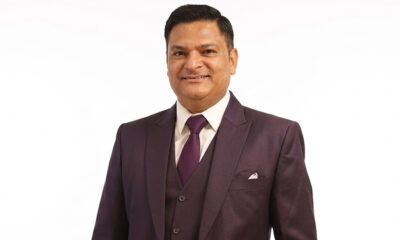
Speaking ahead of the event, TV9 Network managing director and chief executive officer Barun Das, said India stands at a unique moment in history, combining demographic strength, technological capability and entrepreneurial energy. He noted that in uncertain times, honest conversations and bold ideas will shape the country’s trajectory.
The summit will explore themes ranging from economic growth and governance to innovation, sustainability and culture, positioning itself as a platform for dialogue at a time when the world is in flux.
With a packed agenda and a high-profile guest list, What India Thinks Today Summit 2026 aims to do more than just talk. It seeks to capture a moment where India is not only part of the global conversation, but increasingly helping lead it.








