Gaming
Nintendo shares slide 10 per cent despite profit jump, hit by chip shortages

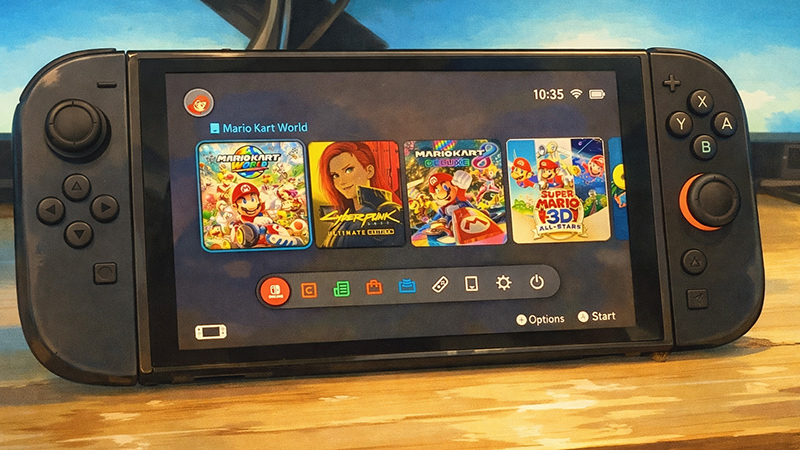
KYOTO: Nintendo shares slid more than 10 per cent on Wednesday, a day after the gaming giant missed market forecasts for quarterly revenue and warned of mounting pressure from a global memory chip shortage, as per media reports.
The company beat profit expectations, posting a 24 per cent year-on-year rise, driven by strong sales of the Nintendo Switch franchise. Revenue surged 86 per cent, with the original Switch now the firm’s best-selling console since its launch in 2017.
Yet rising component costs are weighing on investor sentiment. Nintendo relies heavily on dynamic random access memory (DRAM), a segment grappling with acute shortages as artificial intelligence and data centre demand soak up supply.

Ortus Advisors head of Japanese equity strategy Andrew Jackson, said markets remain uneasy about the impact of higher memory prices on Nintendo’s margins.
President Shuntaro Furukawa acknowledged that while soaring memory costs have not yet dented results for the current financial year, prolonged price pressures could squeeze profitability.
TrendForce estimates that contract prices for conventional Dram chips in the first quarter could jump between 90 and 95 per cent from the previous quarter. A senior semiconductor industry executive recently told CNBC the shortage may last until 2027.
Kantan Games chief executive of consultancy Serkan Toto, said sustained cost inflation could force Nintendo to raise console prices: a risky move for its largely casual user base.
The company’s newest device, Switch 2, launched in June last year and already dominates its console sales mix. But analysts warn that momentum in the first year is critical for any new platform.
Concerns persist over whether Switch 2 can match the runaway success of its predecessor, despite Nintendo holding firm on its full-year sales forecast.
The outlook hinges on upcoming blockbuster releases, including Mario Tennis Fever in February and Pokémon Pokopia in March. Nintendo is also banking on The Super Mario Galaxy Movie, due in April, to replicate the sales boost sparked by its 2023 hit film.
Omdia senior analyst James McWhirter, said 2026 would be a “make-or-break” year as Nintendo seeks broader mass-market appeal for Switch 2.
Nintendo shares are down more than 15 per cent so far this year.






Gaming
Konami concludes successful eFootball India campaign
Campaign featuring Rinku Singh, Varun Chakravarthy and other stars boosts engagement ahead of FIFA World Cup 2026.
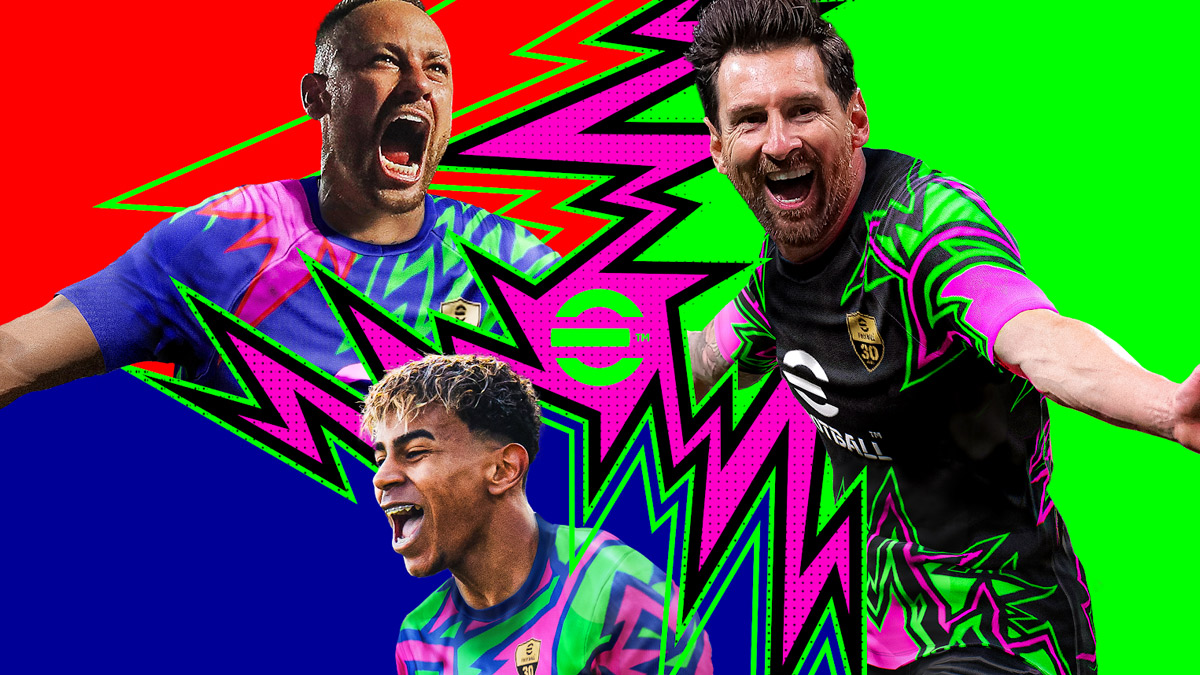
MUMBAI: When cricket meets football in the virtual world, even the biggest fans can’t help but score and Konami’s latest eFootball campaign in India has clearly hit the back of the net. Konami Digital Entertainment has successfully wrapped up its India campaign for eFootball, which brought together cricketers Rinku Singh and Varun Chakravarthy, actors Naslen Gafoor and Chandu Salim Kumar, and footballers Sahal Abdul Samad and Shubhasish Bose. The multi-star campaign generated strong excitement across gaming, football, and creator communities through social content, fan participation, and in-game engagement.
Building on the initial launch that featured a limited-time Lionel Messi card, the campaign united fan communities, lifestyle creators, football creators, and competitive eFootball influencers. It significantly expanded the game’s visibility and deepened engagement with fans across the country.
The campaign also saw thousands of entries submitted as part of its social media engagement challenge, reflecting high levels of community enthusiasm and active creator involvement.
Looking ahead, Konami plans to build on this momentum with more eFootball experiences for Indian fans as the FIFA World Cup 2026 approaches. With global attention on the tournament set to rise, India will remain a key market for deepening community engagement and bringing fans closer to the action.
In a country that lives and breathes sport, Konami has shown that mixing real-world stars with virtual thrills is a winning formula leaving fans eagerly waiting for the next goal.






