News Broadcasting
Nimbus to launch 3 sports channels, raises $ 30 million


MUMBAI: Harish Thawani’s Nimbus Communications Limited today announced that it would be launching three sports channels between October 2006 and September 2007.
Nimbus also announced that it has raised Rs 1.35 billion ($ 30 million) fresh capital from Deutsche Bank with the option of seeking another $ 30 million. SAE Euromax Capital Ltd, the London based boutique investment bank acted as the transaction adviser to Nimbus.
The first, a cricket centric sports channel, will commence broadcasting from October 2006. The second channel will focus on sports entertainment, not restricting itself to merely sports events but also broadcasting sports themed entertainment programmes, is scheduled to commence broadcasting from April 2007. The third channel will be a sports news service and will launch September 2007.

It was last August that UK-based private equity and venture fund 3i acquired around 33 per cent stake in Nimbus for $45.50 million (approx Rs 1.97 billion).
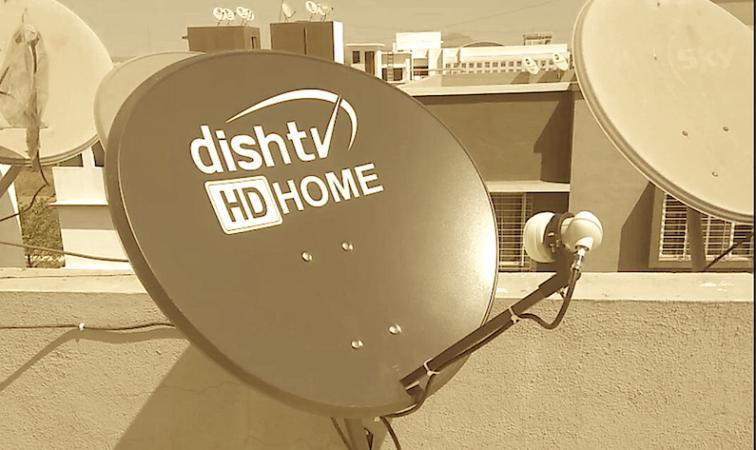
The new capital raised is being largely invested by Nimbus in its sports broadcasting business. Nimbus believes that the introduction in India in 2006 of three new DTH platforms in addition to the existing DishTV (not counting Doordarshan’s free service) will provide a major new thrust to cricket channels. The reasoning being that in addition to revenues from cable, multiple DTH platforms would drive subscription revenues.
Nimbus plans to provide separate feeds to DTH (HDTV, interactive, multiple languages), cable (SDTV customised, English/Hindi) and DD (basic feed).


News Broadcasting
News18 India launches Command Centre war explainer with Arya
New show shifts from debates to decoding global conflicts and impacts
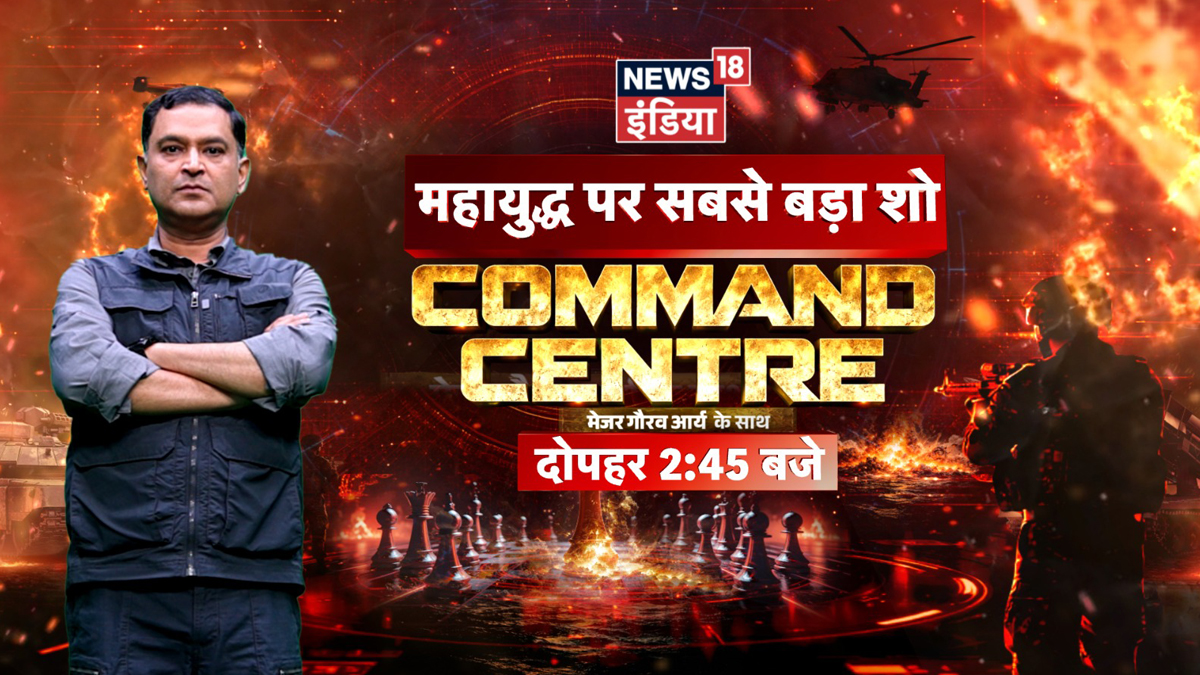
MUMBAI: News18 India has rolled out a new war-focused programme, Command Centre, featuring Gaurav Arya, as it looks to offer viewers a sharper, more grounded take on global conflicts amid rising tensions in West Asia.
Positioned as an “insider war room”, the show moves away from conventional panel debates and instead focuses on explaining military developments, decoding strategy and connecting global events to their everyday impact, from fuel prices to economic shifts.
The format leans heavily on visuals and data. The studio has been designed like a command hub, complete with large LED war maps, real-time graphics and an alert system to track developments as they unfold.
At the centre of it all is Arya, who brings his military background to simplify complex war strategies for viewers. His signature line, “Seedhi baat samjhiye”, anchors the show’s promise of clarity over noise.
News18 India managing editor Jyoti Kamal said, “Command Centre, featuring Major Gaurav Arya is designed to deliver accurate insights and a clear perspective on how evolving conflicts impact everyday life, from household budgets to national security. With expert voices analysing every development in real time, the show goes beyond headlines to decode what’s happening now, what it means, and what could come next.”
Echoing the intent, Gaurav Arya added, “In times of war, confusion is the biggest threat. With News18 India’s Command Centre, we are bringing viewers inside the war room, decoding strategies, tracking every escalation, and explaining, in the simplest terms, what it means for India and for every household. Seedhi baat samjhiye, this is where you understand not just what is happening, but what happens next.”
The weekday show will air in the afternoon slot and will also feature Gaurav Shukla, adding to its editorial depth.
With its mix of analysis, visuals and a clear focus on impact, the show reflects a broader shift in news consumption. Viewers are no longer just watching events unfold, they are looking to understand what those events mean for them.






