News Broadcasting
NH Studioz paves the way for Doordarshan’s grand revival

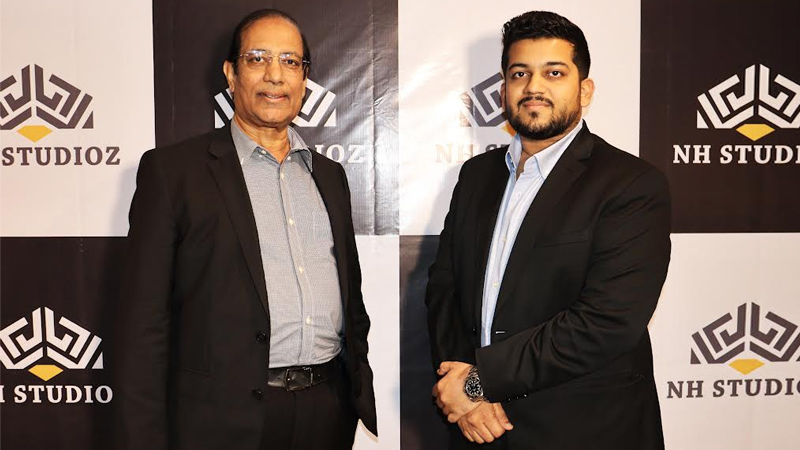
Mumbai: NH Studioz, one of India’s premier content houses with a colossal copyright library of over 2500 feature films, has been awarded the tender and entered into a landmark agreement with Doordarshan (DD), India’s pioneering and most widely watched television channel. In a significant move that marks a new era of content synergy, NH Studioz has leased slots on DD for a two-year period, taking complete ownership of daily afternoon slots from 1 pm to 4 pm and weekend prime time slots from 8 pm onwards. They will be taking care of entire programming, advertising sales, marketing, and promotions.
The agreement includes exclusive programming, advertising sales, marketing, and promotional responsibilities. Doordarshan, with its historical significance as India’s first and oldest television channel, boasts an unparalleled reach. The channel’s cultural impact, strategic placement on all platforms, government partnership, and emotional connect with viewers from diverse demographics make it the ideal platform for NH Studioz to expand its reach and engage with audiences nationwide.
NH Studioz director Shreyans Hirawat expressed his enthusiasm for the collaboration, stating, “This partnership with Doordarshan represents a historic moment for NH Studioz. We are excited to bring our extensive content library and programming expertise to DD’s platform, and we look forward to providing captivating entertainment to viewers across the nation.”

NH Studioz’s decision to collaborate with Doordarshan aligns with DD’s aggressive approach to revitalise its platform with new and engaging content. Recent initiatives by DD include shows by renowned creators like Subhash Ghai (“Janaki”), Shilpa Shetty (“Yoga”), and a collaboration with Netflix for “Azaadi Ka Amrit Mahotsav.”
NH Studioz sees this partnership with Doordarshan as a significant step in shaping the future of entertainment in India. It combines the strength of NH Studioz’s vast content library and programming expertise with Doordarshan’s historic presence, wide reach, and enduring cultural significance. Together, they aim to provide engaging content to viewers across the nation, from tier 2 and tier 3 markets to cultural and festive occasions, reinforcing Doordarshan’s position as an integral part of Indian families.
With a history of delivering exceptional cinematic experiences, NH Studioz has established itself as a major contributor to the programming of leading movie channels like Star Gold, Zee Cinema, and Set Max, consistently accounting for impressive programming of their content. The studio’s diverse film library, spanning from classics of the 1950s to contemporary releases in 2023, caters to audiences of all demographics and features the biggest names in Indian cinema, including icons like Amitabh Bachchan, Kartik Aryan, Ranbir Kapoor, and more. NH Studioz boasts a vibrant social media presence, with an engaged audience viewing approximately 50 million hours monthly across 33 channels, serving a subscriber base of 35 million users.





News Broadcasting
News18 India launches Command Centre war explainer with Arya
New show shifts from debates to decoding global conflicts and impacts
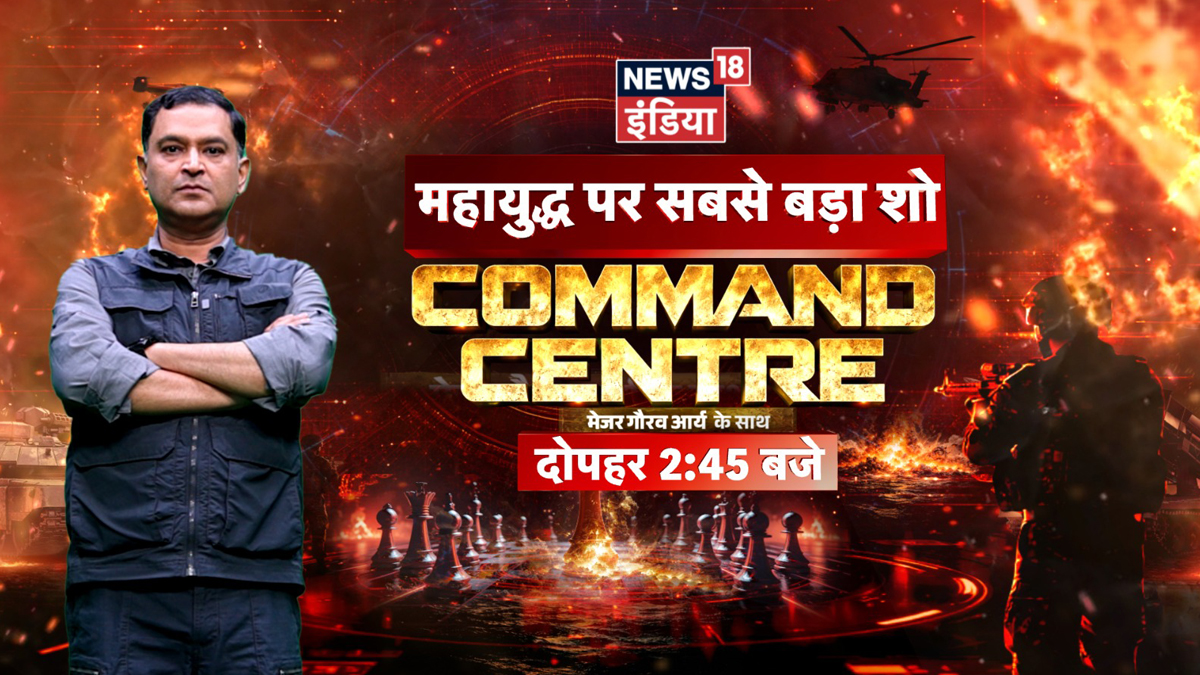
MUMBAI: News18 India has rolled out a new war-focused programme, Command Centre, featuring Gaurav Arya, as it looks to offer viewers a sharper, more grounded take on global conflicts amid rising tensions in West Asia.
Positioned as an “insider war room”, the show moves away from conventional panel debates and instead focuses on explaining military developments, decoding strategy and connecting global events to their everyday impact, from fuel prices to economic shifts.
The format leans heavily on visuals and data. The studio has been designed like a command hub, complete with large LED war maps, real-time graphics and an alert system to track developments as they unfold.
At the centre of it all is Arya, who brings his military background to simplify complex war strategies for viewers. His signature line, “Seedhi baat samjhiye”, anchors the show’s promise of clarity over noise.
News18 India managing editor Jyoti Kamal said, “Command Centre, featuring Major Gaurav Arya is designed to deliver accurate insights and a clear perspective on how evolving conflicts impact everyday life, from household budgets to national security. With expert voices analysing every development in real time, the show goes beyond headlines to decode what’s happening now, what it means, and what could come next.”
Echoing the intent, Gaurav Arya added, “In times of war, confusion is the biggest threat. With News18 India’s Command Centre, we are bringing viewers inside the war room, decoding strategies, tracking every escalation, and explaining, in the simplest terms, what it means for India and for every household. Seedhi baat samjhiye, this is where you understand not just what is happening, but what happens next.”
The weekday show will air in the afternoon slot and will also feature Gaurav Shukla, adding to its editorial depth.
With its mix of analysis, visuals and a clear focus on impact, the show reflects a broader shift in news consumption. Viewers are no longer just watching events unfold, they are looking to understand what those events mean for them.






