Applications
Next-gen TV transmission standard proposed by US panel, to foster innovation

MUMBAI: The Federal Communications Commission (U.S.) has sought comment on a proposal that would allow television broadcasters to use the “Next Generation” broadcast television transmission standard, called “ATSC 3.0,” on a voluntary, market-driven basis.
ATSC 3.0 has the potential to greatly improve broadcast signal reception on mobile devices and television receivers without outdoor antennas. It is also intended to enable broadcasters to offer enhanced and innovative new features to consumers, including Ultra High Definition picture and immersive audio, more localized programming content, an advanced emergency alert system capable of waking up sleeping devices to warn consumers of imminent emergencies, improved accessibility options, and interactive services.
A coalition of broadcast and consumer electronics industry representatives petitioned the Commission to allow the use of the new standard. The upgraded technology is intended to merge the capabilities of overthe-air broadcasting with the broadband viewing and information delivery methods of the Internet using the same 6 MHz channels presently allocated for digital television (DTV).

Notice of Proposed Rulemaking (NPRM) proposes and seeks comment on rules that will allow broadcasters the flexibility to deploy ATSC 3.0-based transmissions while minimizing the impact on – and costs to – consumers and industry stakeholders. Among other things, the NPRM:
Voluntary Use: Proposes to authorize voluntary use of ATSC 3.0 transmissions and to incorporate the relevant portions of the new standard into the Commission’s rules. The NPRM tentatively concludes that a Next Gen TV tuner mandate for new television receivers is not necessary at this time.
Local Simulcasting: Proposes to require “local simulcasting” for stations that choose to deploy Next Gen TV so broadcasters can continue to provide DTV service using the current ATSC 1.0 standard at the same time that they offer ATSC 3.0. This approach will minimize disruption to consumers by ensuring that they will still be able to use their existing TV sets, which have only current-generation DTV and analog tuners.
MVPD Carriage: Proposes to require that MVPDs continue carrying broadcasters’ DTV signals, using ATSC 1.0, but not to require them to carry ATSC 3.0 signals during the period when broadcasters are voluntarily implementing ATSC 3.0 service. The NPRM also asks about issues related to the voluntary carriage of ATSC 3.0 signals through retransmission consent.
Service and Interference Protection: Asks for comment on whether Next Gen TV transmissions will raise any interference concerns for existing DTV operations or for any other services or devices that operate in the TV bands or in adjacent bands.
Consumer Protection and Education: Tentatively concludes that television stations offering ATSC 3.0 should be subject to the public interest obligations that currently apply to television broadcasters and asks for comment on whether broadcasters should be required to provide on-air notifications to educate consumers about Next Gen TV service deployment and ATSC 1.0 simulcasting.
Taken together, the proposal starts the rulemaking process to facilitate private sector innovation and promote American leadership in the global broadcast industry.
Also Read:
TRAI extends time for views on opening up DTT to private players
Small US broadband businesses relieved from needless regulation, piracy protection mooted




Applications
With 57 per cent single new users, Ashley Madison rebrands as discreet dating platform
Platform says majority of new members now identify as single
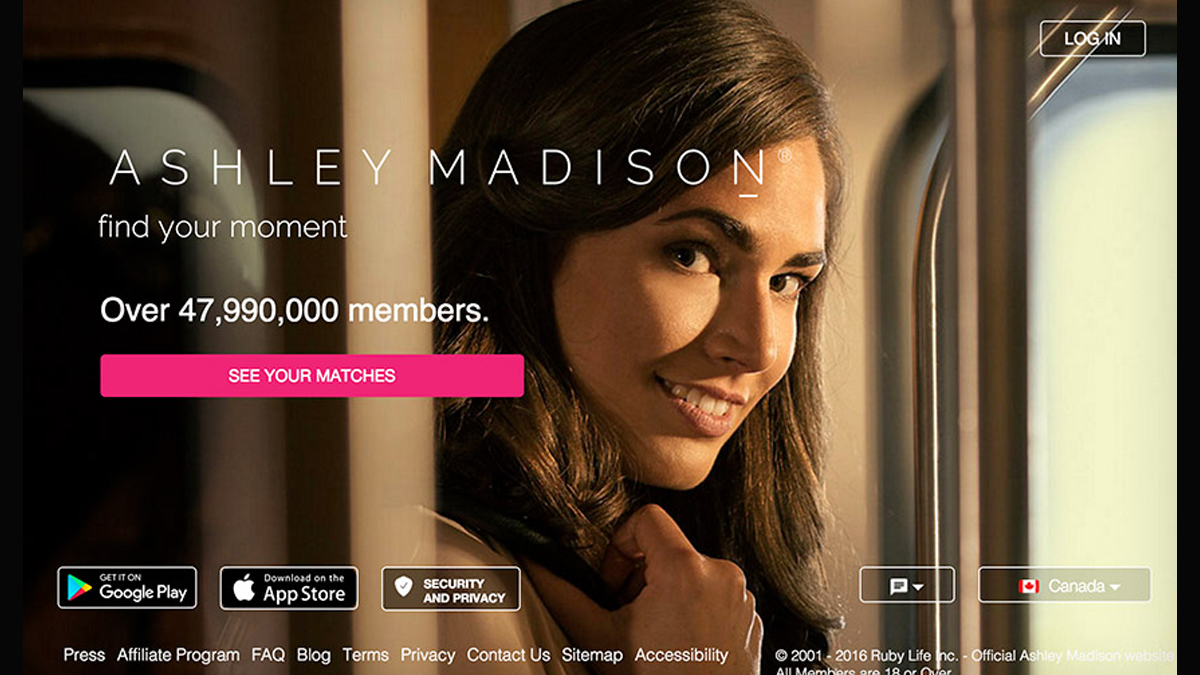
INDIA: Ashley Madison is shedding the “married-dating” label that defined it for two decades, repositioning itself as a platform for discreet dating in what it calls the post-social media age.
The rebrand, unveiled in India on 27 February, 2026, marks a structural shift in business model and identity. Once synonymous with married dating, the company now describes itself as the “premier destination for discreet dating” under a new tagline: Where Desire Meets Discretion.
The pivot is data-driven. Internal figures show that 57 per cent of global sign-ups between 1 January and 31 December, 2025 identified as single: a notable departure from the platform’s married core. The company argues that its community has already evolved beyond its original positioning.
“In an age where our lives have been constantly put on public display, privacy has become the new luxury,” said Ashley Madison chief strategy officer Paul Keable. He framed the platform’s offering as “ethical discretion” for singles, separated, divorced and non-monogamous users seeking private connections.
The shift also taps into wider digital fatigue. A global survey conducted by YouGov for Ashley Madison, covering 13,071 adults across Australia, Brazil, Canada, Germany, India, Italy, Mexico, Spain, Switzerland, the UK and the US, found mounting discomfort with hyper-public online lives.
Among dating app users, 30 per cent cited constant swiping and messaging as a source of fatigue, while 24 per cent pointed to pressure to curate public-facing profiles and early personal disclosure. Some 27 per cent said fears of screenshots or information being shared contributed to exhaustion; an equal share cited unwanted attention.
The retreat from oversharing appears broader. According to the survey, 46 per cent of adults actively try to keep most aspects of their life private online. Only 8 per cent feel comfortable sharing most aspects publicly, while 35 per cent say they are becoming more selective about what they disclose.
Ashley Madison is betting that this cultural recalibration towards controlled visibility can be monetised. By doubling down on privacy infrastructure and reframing itself around discretion rather than infidelity, the company is attempting to convert reputational baggage into a premium proposition.






