News Broadcasting
News18 Network, BYJU’S get together for ‘Young Genius’

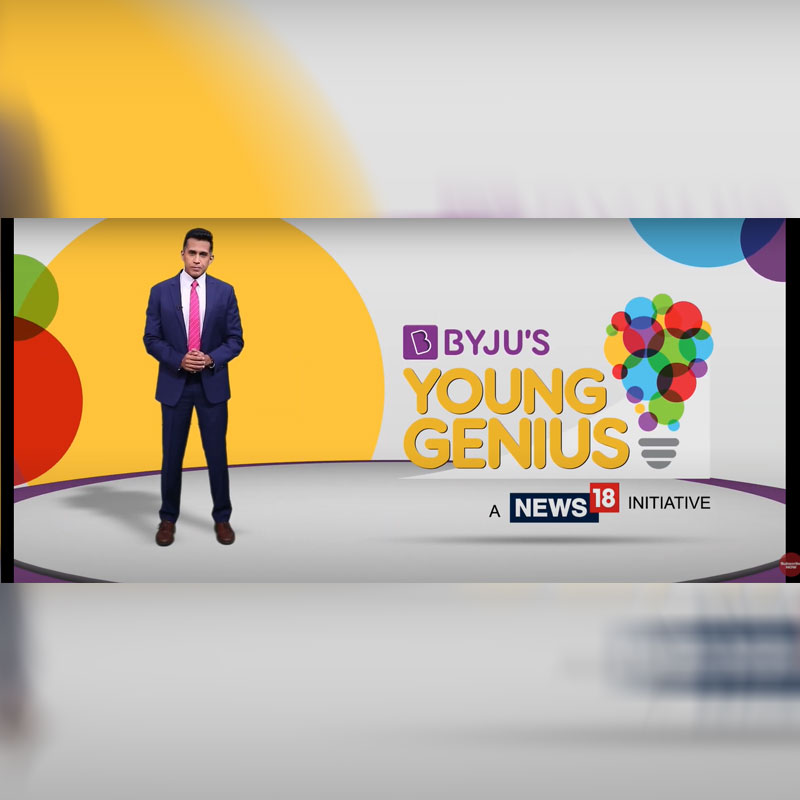
NEW DELHI: News18 Network, has announced its partnership with edtech company BYJU’S to launch a national campaign for showcasing, recognizing and inspiring young geniuses in different fields across the country. The centerpiece of the campaign will be a weekly episodic show that will air on TV beginning in January and ending in March 2021. Each episode will feature child prodigies scouted and selected by the news network’s editorial team from across different fields such as academics, performing arts, technology, and sports.
“We believe it is important to celebrate child prodigies who have through their gift, grit and determination attained mastery of their field at a very young age. Their stories will inspire children all over to follow their passion, work hard, and ultimately strive for excellence & creativity in their chosen field”, says Network18 CEO – Hindi news cluster Mayank Jain.

“We want to be a platform that showcases prodigious talent in this country using the might of our television news network reaching 50cr+ viewers. We aim to institute ‘Young Genius’ as a multi-year platform that serves to inspire creativity, innovation and excellence in our future generation”, adds Jain.
“At BYJU’S, we have always believed that every child is unique in their own way, talented in their own space and should be encouraged and inspired to learn at their own pace and style. And BYJU'S Young Genius aims to be a national platform that showcases spirited youngsters who have excelled in fields of their choosing – in turn inspiring children across India to pursue their passion and strive for excellence. This endeavour is in line with the underlying essence of BYJU’S vision – to encourage, motivate and spur children to keep learning and keep improving. This collaboration is poised to recognize some brilliant young talents of India, encourage many more to start their own journeys and is one more step in the right direction for BYJU’S to create holistic learning and growth experiences for children”, says BYJU'S VP – marketing Atit Mehta.





News Broadcasting
CNN-News18 to host Fury in the Gulf conclave on West Asia crisis
Three-hour summit to unpack geopolitical fallout and impact on India
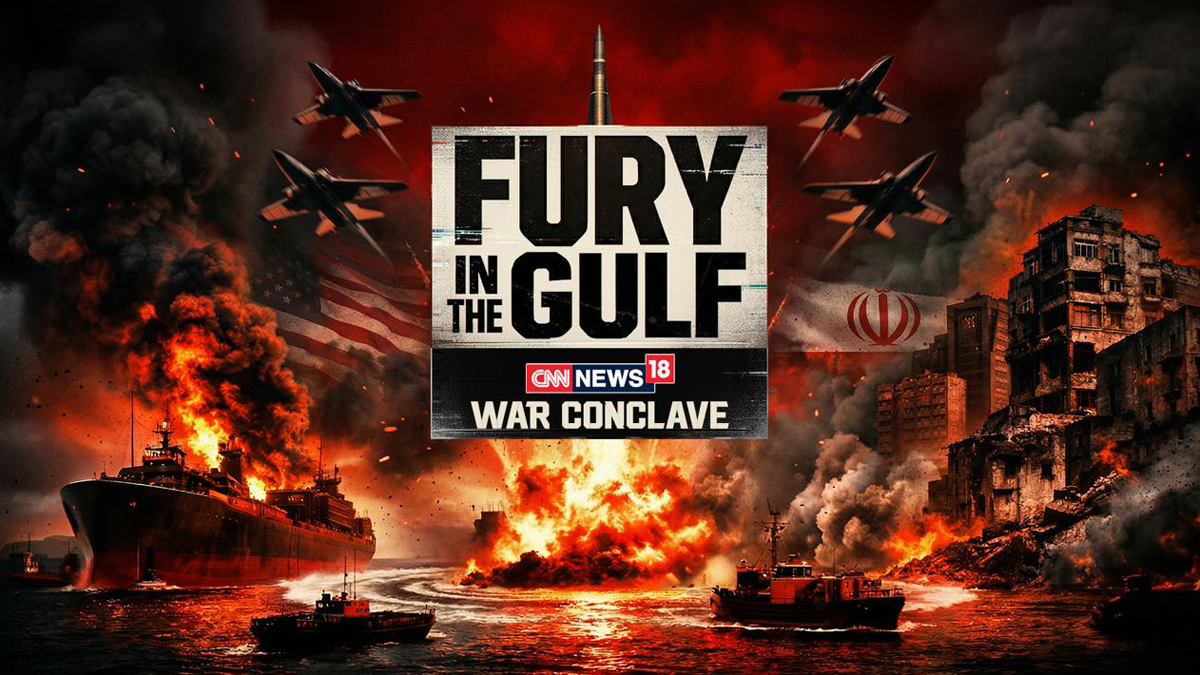
MUMBAI: CNN-News18 is set to host a special three-hour broadcast, Fury in the Gulf – War Conclave, on April 7, aiming to decode the escalating West Asia crisis and its far-reaching implications for India.
Scheduled from 4:00 PM to 7:00 PM, the conclave comes at a time when tensions between Iran and the United States are reshaping global geopolitics and triggering economic uncertainty. With India’s deep energy ties, trade links and large diaspora in the Gulf, the developments carry significant domestic relevance.
Built around the theme ‘Conflict, Consequences, and The Future,’ the programme will feature six curated sessions combining one-on-one interviews and panel discussions. The focus is to cut through the clutter and offer viewers a clearer understanding of the fast-evolving situation.
Key sessions include ‘Diplomacy in Times of War’ featuring Shashi Tharoor, and ‘World After the Iran Conflict’ with voices such as Ram Madhav, Reuven Azar, representatives from the European Union and the Iranian Deputy Envoy. Another session titled ‘Another Dunkirk?’ will bring together K. J. S. Dhillon and Jitin Prasada among others.
CNN-News18 editorial affairs director Rahul Shivshankar said, “In times of war, clarity becomes the most powerful tool. Fury in the Gulf – War Conclave brings together credible voices to address the questions and confusion that arise amid an overwhelming influx of information.”
He added that the initiative is aimed at delivering “facts, perspective, and insight” at a time when misinformation can easily cloud public understanding.
Echoing the sentiment, CNN-News18 CEO– English and business news Smriti Mehra said the conflict marks a defining global moment, with consequences that extend well beyond the region. She noted that the conclave seeks to present the crisis with “depth, nuance and responsibility” so audiences can better grasp its real-world impact.
As geopolitical tensions continue to dominate headlines, the conclave positions itself as an attempt to bring order to the noise, offering viewers a structured, insight-led look at a complex and rapidly shifting global situation.






