News Broadcasting
News vet Mini Menon and Alok Nair announce digital content partnership

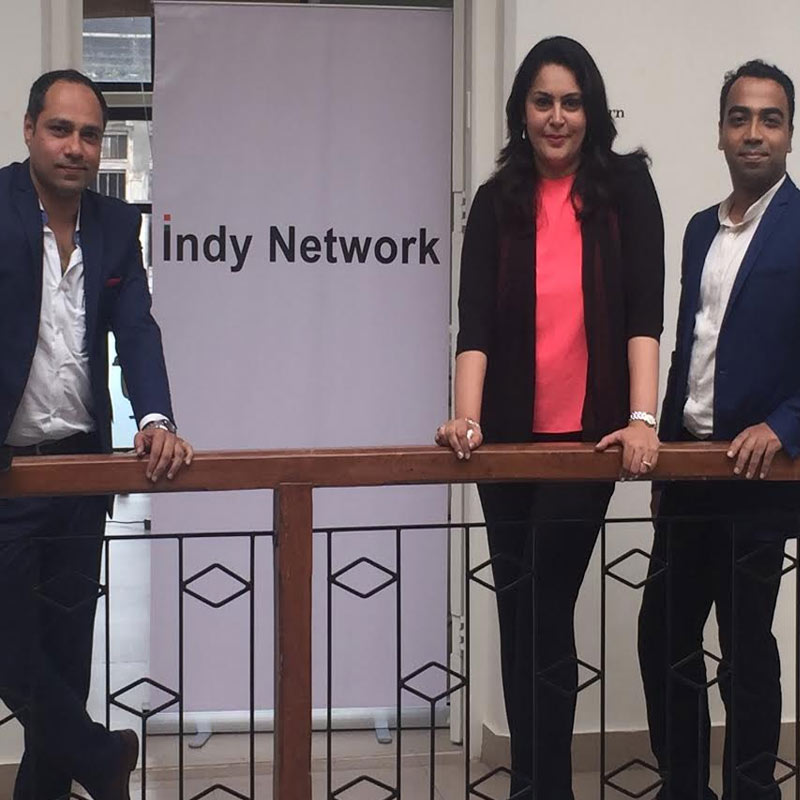
MUMBAI: With an aim to produce high quality infotainment content in digital, news television’s two famous personalities Mini Menon and Alok Nair have announced a strategic partnership. The duo with Akshay Chavan as partner as well as domain expert, have launched Indy Network, which will work with various partners and young talent to create the first of its kind offering for viewers between the age of 15 to 45 years.
Its digital platform and first product is expected to roll out by the end of this year.
“Indy Network is the holding company that will have other platforms across genres under it. We saw a huge need gap in the infotainment genre. In my opinion, Indian is about niches. I think going niche is more successful on digital than going mass,” voiced Indy Network co-founder and editor Mini Menon.

With technology providing multiple touch points and much clearer audience segmentation, Indy Network is based on the belief that the Indian audience, especially the youth, is being under-served and there are big and crucial content gaps that need to be filled. The network’s aim is to close this gap by offering clear, focused content.
Nair shared, “It is time to bring in a fresh set of entrepreneurs in the infotainment business. Dr. Pranoy Roy, Raghav Bahl and Ronnie Screwvala all started in the 1980’s – 90’s and have been inspirational for what they have created.Indian media is ready for a new generation of passionate entrepreneurs creating independent unbiased content. We are excited with the tremendous opportunity that digital offers and are hoping to create innovative content platforms with strategic partners catering to a diverse audience set across niches. We believe the infotainment space will see a huge growth in the next few years and Indy Network shall be a key contributor.The spirit of our enterprise is collaboration. We look forward to this exciting new journey.”
“Our core will be digital but we will also make content for TV as well,” he added.
“We are products of first generation entrepreneurs like Ronnie or Raghav Bahl and we are products of that. It’s time for new entrepreneurs to come up. It is time to break through the clutter and bring together the finest minds and create the best in class content,” Menon reflected.
“The difference between the rest of the platforms and us is that we are going to be an adaptive platform. With increasing penetration of social media and technology, India is experiencing a dramatic change in the way content is being consumed and shared. These are indeed interesting times to be in. With the experience and understanding that Menon and Nair bring, the network will flourish automatically,” voiced Chavan.
Being credited with creating some of the most compelling news and long format programs in the TV industry, Menon will drive the content and vision for the network. In Indy Network she will take this to the next level.
“315 million people are currently consuming internet in India, which is only going to grow. The environment will get better and will provide technology infrastructure. Till then we have to ride on available and accessible resources. Stakeholders are working on it for the ecosystem to thrive. I am positive that digital will also evolve successfully,” added Nair.
On moving out of television, Mini quipped, “After a great innings in television I am looking forward to taking the next big leap as an entrepreneur and co-creator of what we hope will bring a paradigm shift in content.We have an exciting slate of work lined up and we hope to create something that will make every Indian proud.”
The trio is yet to decide a monetising model for their platform, yet is positive on generating revenues for the platform and believes that if the content is good it will turn heads of the viewers and advertisers automatically. “Revenue generation is not difficult. We believe we can find good partnerships in India,” added Menon.
As far as marketing goes, it is divided into various phases. Once the partnerships are locked, hoardings will be put up everywhere. After the platform goes live, there will be targeted marketing on traditional as well as digital mediums with more emphasis on the latter.
Kudos to the trio for choosing a road less taken.

News Broadcasting
CNN-News18 to host Fury in the Gulf conclave on West Asia crisis
Three-hour summit to unpack geopolitical fallout and impact on India
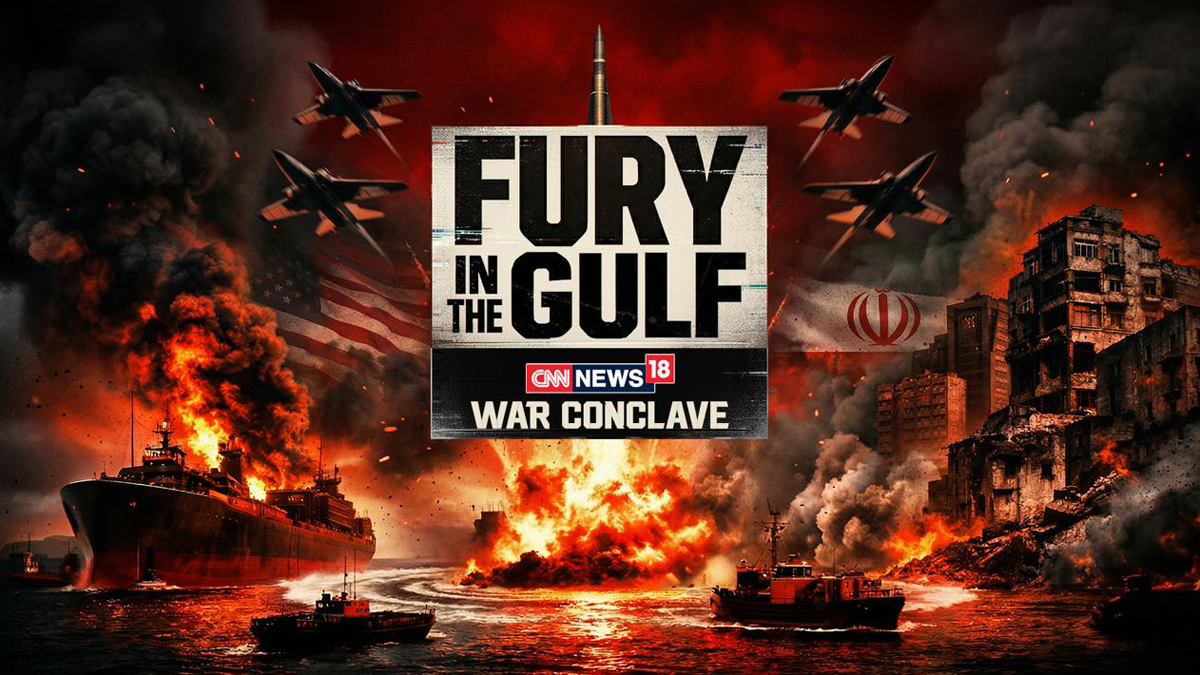
MUMBAI: CNN-News18 is set to host a special three-hour broadcast, Fury in the Gulf – War Conclave, on April 7, aiming to decode the escalating West Asia crisis and its far-reaching implications for India.
Scheduled from 4:00 PM to 7:00 PM, the conclave comes at a time when tensions between Iran and the United States are reshaping global geopolitics and triggering economic uncertainty. With India’s deep energy ties, trade links and large diaspora in the Gulf, the developments carry significant domestic relevance.
Built around the theme ‘Conflict, Consequences, and The Future,’ the programme will feature six curated sessions combining one-on-one interviews and panel discussions. The focus is to cut through the clutter and offer viewers a clearer understanding of the fast-evolving situation.
Key sessions include ‘Diplomacy in Times of War’ featuring Shashi Tharoor, and ‘World After the Iran Conflict’ with voices such as Ram Madhav, Reuven Azar, representatives from the European Union and the Iranian Deputy Envoy. Another session titled ‘Another Dunkirk?’ will bring together K. J. S. Dhillon and Jitin Prasada among others.
CNN-News18 editorial affairs director Rahul Shivshankar said, “In times of war, clarity becomes the most powerful tool. Fury in the Gulf – War Conclave brings together credible voices to address the questions and confusion that arise amid an overwhelming influx of information.”
He added that the initiative is aimed at delivering “facts, perspective, and insight” at a time when misinformation can easily cloud public understanding.
Echoing the sentiment, CNN-News18 CEO– English and business news Smriti Mehra said the conflict marks a defining global moment, with consequences that extend well beyond the region. She noted that the conclave seeks to present the crisis with “depth, nuance and responsibility” so audiences can better grasp its real-world impact.
As geopolitical tensions continue to dominate headlines, the conclave positions itself as an attempt to bring order to the noise, offering viewers a structured, insight-led look at a complex and rapidly shifting global situation.






