Gaming
Nazara Technologies notches up good financial scores in Q4

Mumbai: If you are a gamer, you will know that at times, it looks like you are lagging far behind, with most of your shooters gone. But things turn around and you start scoring, knocking out the rival’s gunmen, and you come out on top. Just like recently, the publicly listed Nazara Technologies has done. The Indian gaming and esports major has reported operating revenue of Rs 123.38 crore in q4, 41.7 per cent higher than the previous year’s corresponding quarter.
The company has erased all the red ink on its earnings report by notching up growth of 84 per cent year-on-year in profit to reach Rs 4.2 crore, as against a loss of Rs 7 crore (q4 last year).
“As we operate in the high growth business segments of gamified early learning, esports, and freemium, we continue to prioritise growth over profit maximisation, to achieve and maintain market leadership in the segments we operate in,” said an excited Nazara Technologies group chief executive officer Manish Agarwal.

The esports segment revenue ballooned to Rs 48.57 crore from Rs 39.77 crore in the same quarter last year. Gamified early learning nearly trebled to reach Rs 50.61 crore, compared to Rs 19.52 crore. However, revenue for the freemium segment declined to Rs 4.32 crore from Rs 4.03 crore. Telco subscription also marginally declined to Rs 17.83 crore from Rs 18.08 crore for the corresponding period in the last fiscal.
“Prudent financial management is in our DNA. This is clearly visible from the Rs 4,784 million (Rs 478.4 crore) in cash reserves, including liquid investments, as well as the zero debt on our balance sheet. We will efficiently utilise our cash balance to fund any inorganic growth opportunities- ranging from building capabilities to geographic and demographic expansions in our operational domain. To conclude, we are in a good position to continue executing our strategy and maintain our market leadership position in the years to come,” Agarwal added.
For the financial year 2020-2021, operating revenue grew 84 per cent year-on-year to Rs 454.2 crore. While EBITDA has gone up by 508 per cent year-on-year to Rs 59.6 crore, EBITDA margins have also improved from 3.7 per cent in FY2019-2020 to 12.7 per cent. It has delivered profits of Rs 13.6 crore in the just-ended fiscal year.







Gaming
Konami concludes successful eFootball India campaign
Campaign featuring Rinku Singh, Varun Chakravarthy and other stars boosts engagement ahead of FIFA World Cup 2026.
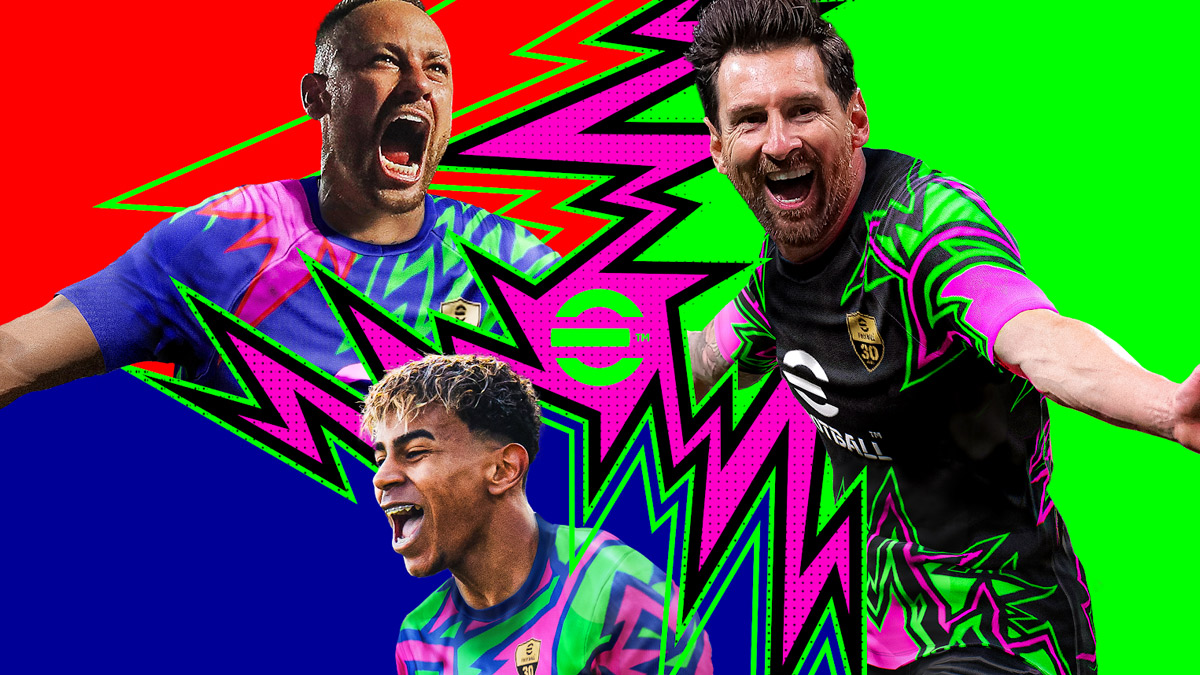
MUMBAI: When cricket meets football in the virtual world, even the biggest fans can’t help but score and Konami’s latest eFootball campaign in India has clearly hit the back of the net. Konami Digital Entertainment has successfully wrapped up its India campaign for eFootball, which brought together cricketers Rinku Singh and Varun Chakravarthy, actors Naslen Gafoor and Chandu Salim Kumar, and footballers Sahal Abdul Samad and Shubhasish Bose. The multi-star campaign generated strong excitement across gaming, football, and creator communities through social content, fan participation, and in-game engagement.
Building on the initial launch that featured a limited-time Lionel Messi card, the campaign united fan communities, lifestyle creators, football creators, and competitive eFootball influencers. It significantly expanded the game’s visibility and deepened engagement with fans across the country.
The campaign also saw thousands of entries submitted as part of its social media engagement challenge, reflecting high levels of community enthusiasm and active creator involvement.
Looking ahead, Konami plans to build on this momentum with more eFootball experiences for Indian fans as the FIFA World Cup 2026 approaches. With global attention on the tournament set to rise, India will remain a key market for deepening community engagement and bringing fans closer to the action.
In a country that lives and breathes sport, Konami has shown that mixing real-world stars with virtual thrills is a winning formula leaving fans eagerly waiting for the next goal.






