High Court
Mumbai HC upholds Creative Eye right to ‘Jai Santoshi…’ track

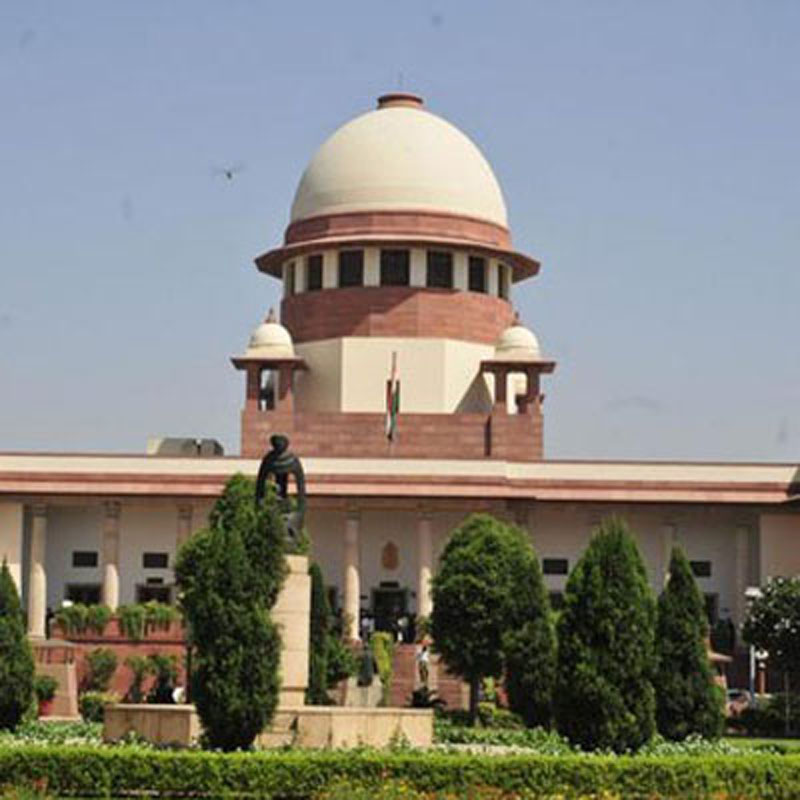
MUMBAI: It may not be music to the ears of Kavi Pradeep’s descendants, but the Mumbai High Court has upheld Creative Eye’s rights to use the poet’s title track for its mythological Jai Santoshi Maa.
The serial, currently aired on Zee TV, uses the hit track from the similarly titled film which spawned a massive cult following when released in 1975. Pradeep, who penned the lyrics for a pittance for the film’s producer Satram Rohra, is no more but his daughter Mittul Pradeep, dragged Creative Eye to court, asking that Pradeep be given due acknowledgement in the serial’s credits. Creative Eye MD Dheeraj Kumar did not deem it necessary, having bought the rights for using the song from Rohra for a reported Rs 48,000.
The court, in its ruling this week, has also upheld Rohra’s rights to the work and dismissed Pradeep’s petition. “Under clause 7 all the rights in the work vest in defendent no. 3 (Satram Rohra) without any reservation. At least in this prima facie stage, therefore, it is not possible based on a prima facie reading of Clauses 7 or 8 to hold that they are contract to the contrary to bring the contract of service within the purview of Section 17 (c) of the Copyright Act”, it ruled.

Earlier, Mittul Pradeep had sent copies of her petition to the Film Writers’ Association, Indian Motion Picture Producers’ Association (IMPPA), The Indian Performing Right Society (IPRS) and Zee TV, of which only the Film Writers’ Association (FWA), of which Kavi Pradeep had been a member, responded, supporting him legally, morally and financially.
IMPPA, say media reports, took up the issue in March but Kumar had claimed he should not be held responsible for anything because he had the bond from Rohra. With the high court finally ruling in Creative Eye’s favour, the controversy seems to have ended. For now.



High Court
Delhi HC blocks illegal IPL 2026 streams, backs JioStar rights
Court orders swift takedowns, expands crackdown on piracy apps
NEW DELHI: In a timely move ahead of the cricketing season, the Delhi High Court has granted interim relief to JioStar India Private Limited, clamping down on illegal streaming of the TATA Indian Premier League 2026.
The court passed ex parte ad interim injunctions in two separate suits, restraining rogue websites and mobile applications from broadcasting IPL matches without authorisation. The tournament is set to begin on 28 March, making the timing of the order particularly significant.
Recognising JioStar’s exclusive digital and broadcast rights for the IPL cycle from 2023 to 2027, the court observed that unauthorised streaming would infringe its statutory and proprietary rights, potentially causing irreparable losses.
In one case, the court directed several identified websites to immediately stop hosting or streaming IPL content. It also issued a dynamic injunction, allowing JioStar to flag new infringing platforms in real time, which must then be blocked swiftly by domain registrars and internet service providers.
In a parallel order, the court turned its attention to piracy through mobile apps, particularly Android-based platforms distributing content via APK files. A broader dynamic+ injunction was granted, extending to future variants, mirror links and related interfaces, signalling a tougher stance on evolving piracy tactics.
The court also directed domain name registrars to suspend offending domains and share registrant details, including KYC and payment information. Internet service providers and telecom operators have been instructed to block access within strict timelines, in some instances within 36 hours. Both the Department of Telecommunications and the Ministry of Electronics and Information Technology have been asked to facilitate enforcement through necessary notifications.
Noting the fast-changing nature of digital piracy, the court emphasised the need for real-time enforcement tools to keep pace with anonymous and constantly shifting networks. It also underlined the commercial impact of piracy on legitimate rights holders.
The ruling reinforces the judiciary’s firm stance on protecting intellectual property in the digital age. For viewers, it is a reminder to stick to official platforms as the IPL season kicks off under tighter watch.







