Gaming
Mumbai Comic Con 2025 levels up, plays host to epic Indie Game Utsav

MUMBAI: Hold onto your joysticks, folks—Mumbai Comic Con 2025 is gearing up to be a high-score event! Forget Batman and anime cosplay; this year, indie games are the real superheroes. With the inaugural edition of Indie Game Utsav, the spotlight’s firmly set on made-in-India PC and console games. It’s time for homegrown games to finally drop the mic—or controller—in style.
Set for 12-13 April 2025, at Jio World Convention Centre, Indie Game Utsav brings together over 40 stellar indie games from India, ready to dazzle audiences at Mumbai Comic Con. Backed by big-hitters like Xbox, Xsolla, Specter, and Nodwin Gaming, the festival also boasts IGDA India as its community partner, making it a gamer’s paradise on steroids.
Given India’s surging gamer base—132 million on PC platform Steam alone and PC gaming contributing 22 per cent to India’s video game revenues—Indie Game Utsav is perfectly timed. It’s not just about showing off some shiny new pixels; it’s about nurturing India’s thriving PC and console gaming culture.

The brains behind this gaming extravaganza is Avichal Singh, makers of the smash hit Raji: An Ancient Epic. Singh explained, “Indie Game Utsav wants to pave the way for upcoming quality indie games from India to find success just like Raji, we are aiming to resolve long existing B2B and B2C problems for indies. I’m grateful for Nodwin’s support to help us celebrate India’s best and brightest indie developers at Mumbai Comic Con.”
Nodwin Gaming co-founder & MD Akshat Rathee echoed, “Nodwin started with two guys who just loved PC gaming, so supporting indie developers feels like coming full circle. We’ve always believed in the incredible talent of Indian indie game creators and that their work should be easily accessible to gamers. Indie Game Utsav at Comic Con is just the beginning—one of many steps towards making gaming more open and exciting for everyone.”
To help Indian games level up internationally, Indie Game Utsav is also connecting local developers with top-tier global publishers like Krafton, Garena, Epic Games, and more. On top of that, special digital meetups will see publishers such as Devolver Digital, Rawfury, and Plugindigital ready to scout the next big gaming sensation.
And that’s not all—various pre-event initiatives are lined up to sharpen the skills of indie devs, from intimate sessions with Rawfury and Epic Games veterans to casual mixers and global showcases through MGN Indie Game Events in China.







Gaming
Konami concludes successful eFootball India campaign
Campaign featuring Rinku Singh, Varun Chakravarthy and other stars boosts engagement ahead of FIFA World Cup 2026.
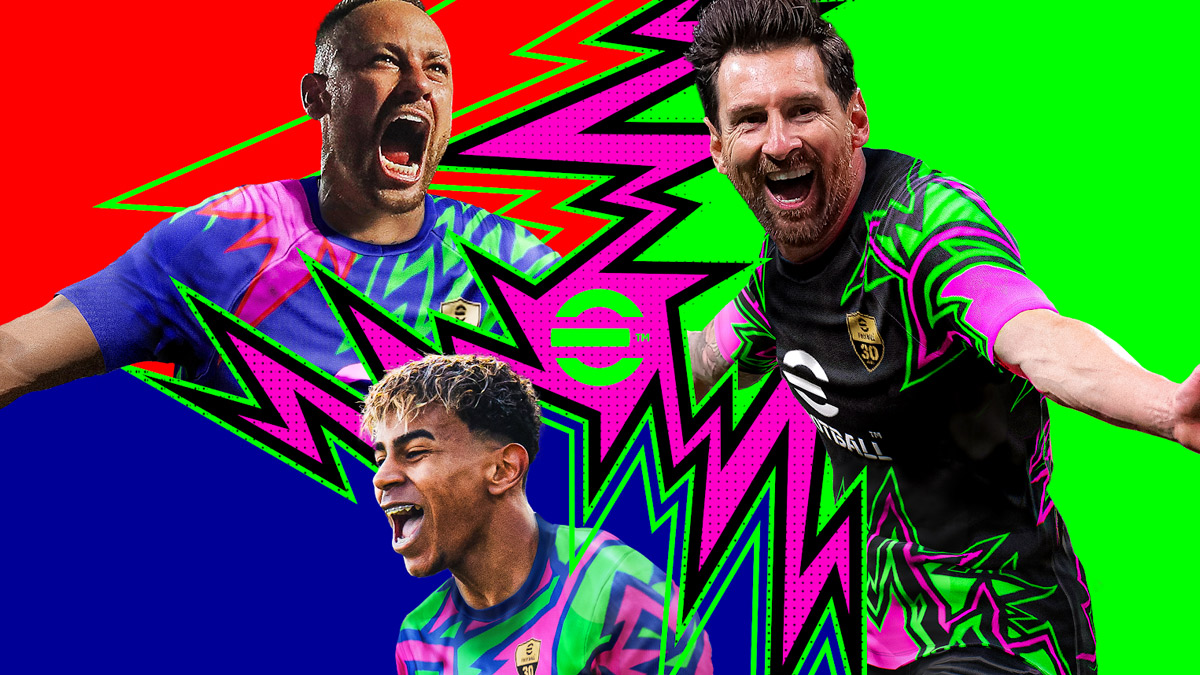
MUMBAI: When cricket meets football in the virtual world, even the biggest fans can’t help but score and Konami’s latest eFootball campaign in India has clearly hit the back of the net. Konami Digital Entertainment has successfully wrapped up its India campaign for eFootball, which brought together cricketers Rinku Singh and Varun Chakravarthy, actors Naslen Gafoor and Chandu Salim Kumar, and footballers Sahal Abdul Samad and Shubhasish Bose. The multi-star campaign generated strong excitement across gaming, football, and creator communities through social content, fan participation, and in-game engagement.
Building on the initial launch that featured a limited-time Lionel Messi card, the campaign united fan communities, lifestyle creators, football creators, and competitive eFootball influencers. It significantly expanded the game’s visibility and deepened engagement with fans across the country.
The campaign also saw thousands of entries submitted as part of its social media engagement challenge, reflecting high levels of community enthusiasm and active creator involvement.
Looking ahead, Konami plans to build on this momentum with more eFootball experiences for Indian fans as the FIFA World Cup 2026 approaches. With global attention on the tournament set to rise, India will remain a key market for deepening community engagement and bringing fans closer to the action.
In a country that lives and breathes sport, Konami has shown that mixing real-world stars with virtual thrills is a winning formula leaving fans eagerly waiting for the next goal.






