iWorld
Mobile content delivery platform DVB-H TV to grow in importance in Europe

MUMBAI: Digital video broadcasting (DVB-H), the standard used for bringing broadcast services to handheld receivers, is set to gain momentum in Europe by 2008.
With the full-fledged rollout of DVB-H mobile television (TV), the current role of downloaded video content (downloads and streaming) in providing access to TV and other forms of video entertainment is likely to change.
Frost & Sullivan analyst Pranab Mookken says, “By 2011, video services like downloading would be used as a sales channel for specific video content while DVB-H takes over as the primary channel for mobile video services,”
Manufacturers will launch DVB-H mobile TV on a trial basis by 2008 after dealing with ambiguities regarding spectrum allocation. Meanwhile, operators are likely to deploy stopgap solutions involving multicasting technologies in addition to using existing cellular networks and video services to introduce TV in Europe.

Notwithstanding this delay, the DVB-H standard is likely to witness high adoption rates in Europe. It was developed by the digital video broadcast (DVB) project, an industry-led consortium of over 260 professionals from over thirty-five countries. The project had already established a terrestrial transmission system for Europe in the form of DVB-T, but the industry still lacked a standard that could support handheld terminals.
CThe consortium developed DVB-H signals to meet the huge demand for such a standard. DVB-H currently has the ability to utilize existing DVB-T infrastructure, that is, it is backward compatible with DVB-T and its content is delivered in the form of Internet Protocol (IP) datacasts that are similar to that distributed on the Internet. This, along with the standards specification which ensure maximum conservation of handset/terminal battery power and thereby allay customer fears of running out of battery for communication purposes, will facilitate its adoption in Europe.
Moreover, mobile TV using DVB-H will be easy to use and will offer a better experience for its customers. This will automatically translate into increased viewership. The report notes that initially, companies will keep prices low, until business models, service offerings and quality levels become satisfactory. But by 2010, service providers might augment prices to anywhere between 7 Euros and 12 Euros per month.
Mokken adds, “The DVB-H mobile TV market is set to grow at an explosive rate and touch Euro 6.80 billion in revenues by 2011. The mobile average revenue per user (ARPU) is also likely to rise as prices increase.” The biggest beneficiaries of this development will undoubtedly be the terminal providers that will gain tremenously from the revenue influx prompted by the need for compatible handsets. Service providers, especially mobile operators, will see a rise in their ARPU through the deployment of value-added services (VASs) in the form of DVB-H mobile TV. The channel will also help in making operators’ retention and loyalty strategies more intimate and effective.





iWorld
Bill Ackman makes a $64bn bid for Universal Music Group
The hedge fund boss wants to list the world’s biggest record label in New York and thinks he knows exactly what ails it
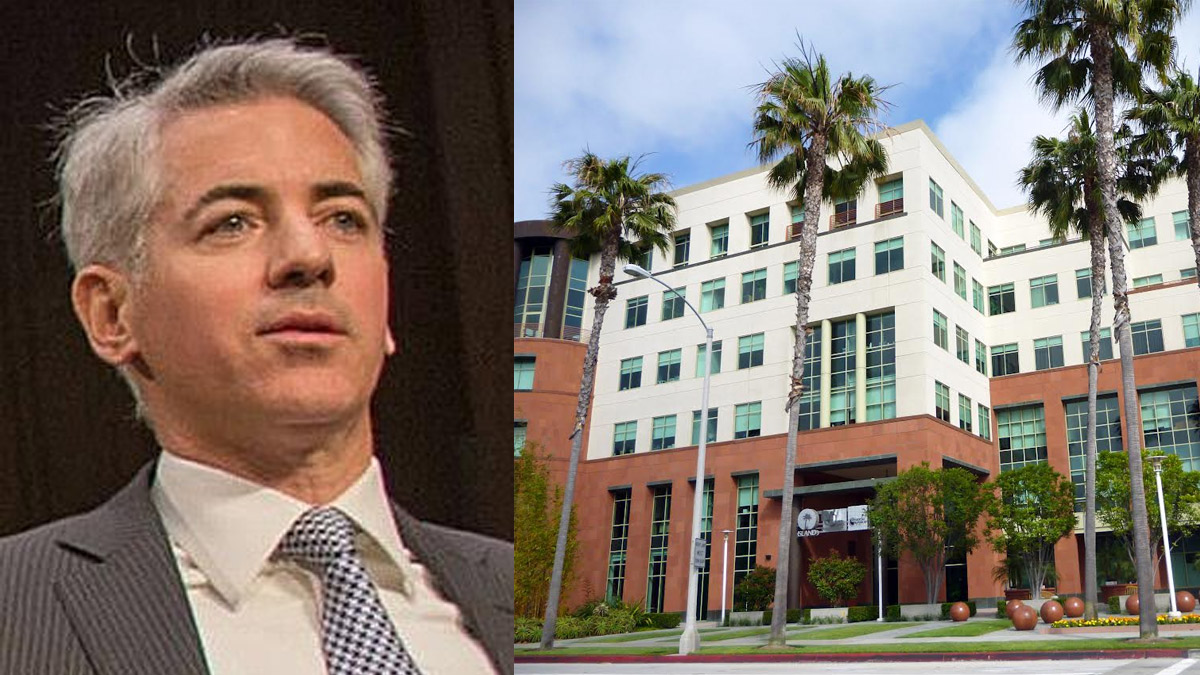
NEW YORK: Bill Ackman wants to buy the world’s biggest record label. Pershing Square Capital Management, the hedge fund run by the billionaire investor, submitted a non-binding proposal on Tuesday to acquire all outstanding shares of Universal Music Group in a business combination transaction worth roughly $64.4 billion (around 55.8 billion euros).
Under the terms of the offer, UMG shareholders would receive 9.4 billion euros in cash, equivalent to 5.05 euros per share, plus 0.77 shares of a newly created company, dubbed New UMG, for each share held. Pershing Square values the total package at 30.40 euros per share, a 78 per cent premium to UMG’s closing price on April 2.
The deal would see UMG merge with Pershing Square SPARC Holdings, with the combined entity incorporating as a Nevada corporation and listing on the New York Stock Exchange. New UMG would publish financial statements under US GAAP and become eligible for S&P 500 index inclusion. Pershing Square says the transaction is expected to close by year-end, with all equity financing backstopped by Ackman’s firm and its affiliates, and all debt financing committed at signing. The transaction would cancel 17 per cent of UMG’s outstanding shares, leaving New UMG with 1.541 billion shares outstanding.
Ackman has a long history with UMG. Pershing Square first bought approximately 10 per cent of the company from Vivendi in the summer of 2021 for around $4 billion, around the time of UMG’s listing on the Euronext Amsterdam exchange. He has since trimmed that position, raising around $1.4 billion from the sale of a 2.7 per cent stake in March 2025, and resigned from UMG’s board in May 2025, citing new executive and board obligations arising from recent investments.
His diagnosis of UMG’s troubles is blunt. The company’s stock has fallen around 33 per cent over the past twelve months on the Euronext Amsterdam exchange, and Ackman lays out six reasons why. These include uncertainty around the Bolloré Group’s 18 per cent stake in the company, the postponement of UMG’s US listing, the underutilisation of UMG’s balance sheet, the absence of a publicly disclosed capital allocation plan and earnings algorithm, a failure to reflect UMG’s 2.7 billion euro stake in Spotify in its valuation, and what Ackman calls suboptimal shareholder investor relations, communications and engagement.
The Bolloré stake has long cast a shadow over the company. Cyrille Bolloré stepped down from UMG’s board in July 2025 as the Bolloré Group battled the French financial markets regulator over its stake in Vivendi, which holds a further capital interest in UMG. UMG had confidentially filed a draft registration statement with the US Securities and Exchange Commission in July 2025 for a proposed secondary listing in America, but put those plans on hold in March 2026, citing market conditions.
Ackman has kind words for UMG’s management, at least. “Since UMG’s listing, Lucian Grainge and the company’s management have done an excellent job nurturing and continuing to build a world-class artist roster and generating strong business performance,” he said. But he made his diagnosis plain: “UMG’s stock price has languished due to a combination of issues that are unrelated to the performance of its music business and importantly, all of them can be addressed with this transaction.”
In other words, Ackman believes UMG is a great business trapped inside a broken structure. If the board agrees, he intends to fix that, loudly and in New York.






