Hindi
Mission Raniganj premieres on &pictures


Mumbai: Experience a gripping story of heroism and courage with the channel Premiere of “Mission Raniganj” on &Pictures on 5 Friday July at 8 pm. This tale of bravery and determination is based on the real-life rescue mission of 1989. Mission Raniganj pays tribute to the late Jaswant Singh Gill, who heroically saved the lives of 65 miners trapped in a flooded coal mine. Akshay Kumar stars as Jaswant Singh, showcasing unwavering resolve and courage as he uses a specially designed rescue capsule to save the trapped miners.
Immerse yourself in a thrilling survival drama that will keep you on the edge of your seat. Mission Raniganj not only captures the tension and urgency of the daring rescue operation but also delves deep into the emotional and psychological struggles faced by the miners and their rescuers.
Akshay Kumar said, “I am immensely joyful to bring Mission Raniganj to homes across India. This movie is more than just emotions, it’s a powerful punch of survival and thrilling drama; it’s about sharing Capsule Gill’s story. Being part of this film has made me realize the power of such stories to uplift, inspire, and unite people. With Mission Raniganj, we aim to honour true heroes from every corner, generation, and era. I urge the audiences of India to tune into &Pictures for the channel Premiere and witness the spirit of courage and hope come alive.”

Mission Raniganj is more than a film—it’s a tribute to the indomitable human spirit and the unsung heroes who risk everything for the greater good. As it brings to life the thrilling rescue operation led by Jaswant Singh Gill and his team, the film serves as a reminder of the potential for heroism in each of us.







Hindi
MIFF 2026 to return to Mumbai; film entries open till April 12
19th edition to host WAVES Doc Bazaar, spotlighting global documentary talent
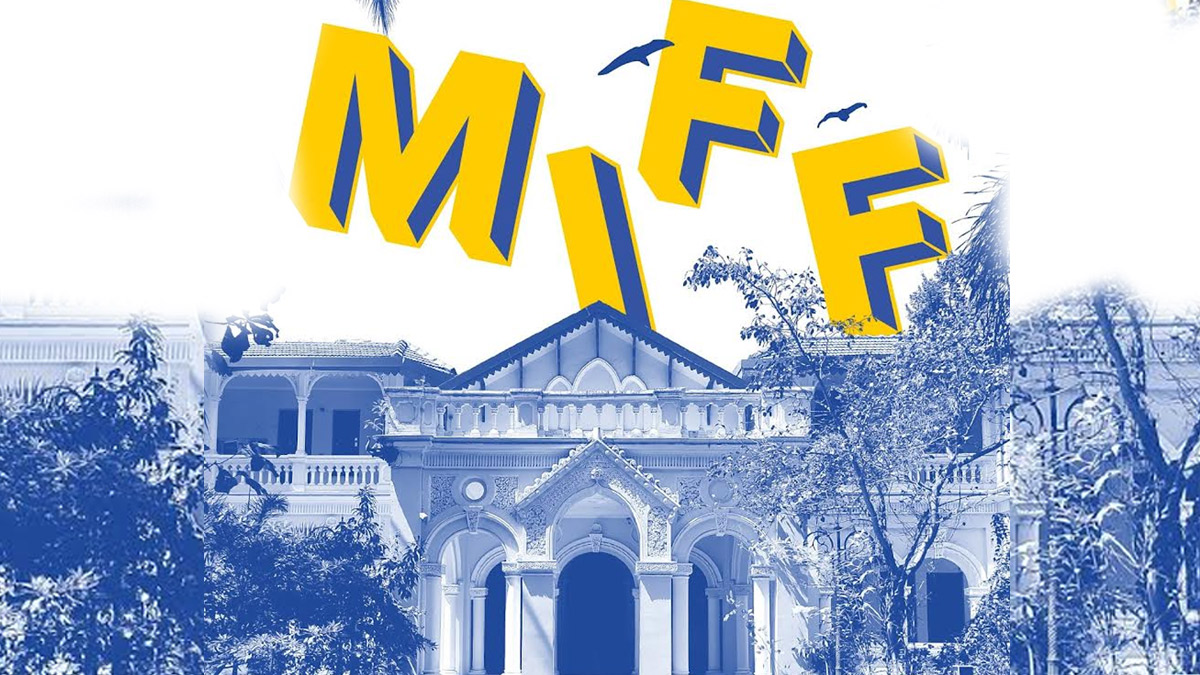
MUMBAI: The 19th edition of the Mumbai International Film Festival 2026 is set to take place from June 15 to 21 at the NFDC Complex, with film submissions currently open and the deadline fast approaching on April 12.
Organised by the National Film Development Corporation under the Ministry of Information and Broadcasting, the biennial festival remains one of South Asia’s most prominent platforms for documentary, short fiction and animation films.
Filmmakers, producers and content creators from across the globe have been invited to submit entries via the Film Freeway platform for the Competition Section. Offline submissions will not be accepted, reinforcing a fully digital entry process.
MIFF 2026 continues to sweeten the deal with a robust awards pool of Rs 55 lakh. The coveted Golden Conch for Best Documentary carries a top prize of Rs 10 lakh, alongside multiple awards across categories, making it one of the most lucrative non-feature film festivals in the region.
A key highlight this year will be the second edition of the WAVES Doc Bazaar, scheduled from June 16 to 18 alongside the festival. Designed as a hub for collaboration, the Doc Bazaar will feature a co-production market, viewing rooms and a work-in-progress lab, bringing together global buyers, sellers and creators under one roof.
Since its inception in 1990, MIFF has built a reputation as a serious showcase for non-feature cinema, drawing participation from filmmakers worldwide. The previous edition saw over 350 films from more than 30 countries, underlining its growing international footprint.
With submissions closing soon and preparations underway, MIFF 2026 is shaping up to be a vibrant meeting point for storytelling, collaboration and cinematic craft, offering filmmakers both a stage and a springboard.







