Hindi
‘Miss Lovely’ adjudged best film at MAMI


Mumbai: In the newly introduced competition section for Indian feature films called ‘India Gold‘ at the MAMI film festival, director Ashim Ahluwalia‘s Miss Lovely was adjudged as the best film.
The film also won the Reliance Media Works‘ CreaTech (Creativity & Technology) award. The 14th Mumbai Film Festival organized by the Mumbai Academy of Moving Image (MAMI) concluded with an awards ceremony.
Miss Lovely, a Hindi feature film set in the lower depths of Bombay‘s C grade film industry follows the devastating story of two brothers who produced sleazy horror films in the mid-1980s.

Hansal Mehta‘s real life drama Shahid won the runner-up award for best film. The special jury award was given to Manjeet Singh for his film Mumbai Cha Raja‘.
The Festival also honoured veteran actress Waheeda Rehman with the Lifetime Achievement Award for an Indian personality. She was presented the award by noted filmmaker and MAMI chairman Shyam Benegal. “I am thrilled to receive this award from MAMI. I dedicate it to the directors, producers, co-actors, technicians who have been a part of this journey with me,” the actress remarked after accepting the honour,” the actress averred.
Meanwhile, in the International Competition category for the first feature films of directors, AquY Alla (Here And There) was recognised as the best film. Dwight Henry got the best actor award for Beasts of the Southern Wild while the best actress award was given to Julia Garner for Electrick Children.
The jury award of technical excellence was awarded to Pankaj Kumar for Ship Of Theseus while Musa Sayeed was given the special jury award for the film ‘Valley Of Saints. In the Celebrate Age category, Night Boats was adjudged the best film while ‘The Delay‘ was the runner-up. ‘Ping Pong received a special mention trophy by jury.




Hindi
Zee5 and Applause Entertainment team up for whodunnit ‘Everybody Loves Sohrab Handa’
Rajat Kapoor directs star-studded murder mystery streaming from 10 April.
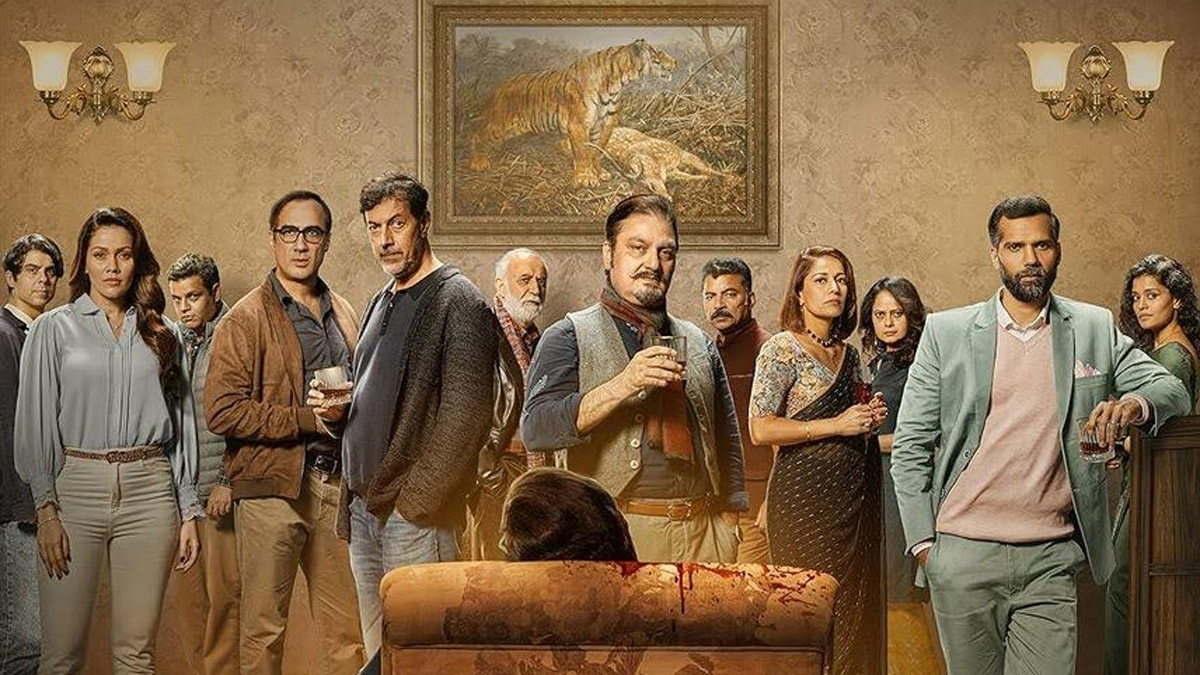
MUMBAI: Zee5 is serving up another killer collaboration and this time, the murder mystery comes with a generous side of dark humour and family dysfunction. The streaming platform has partnered with Applause Entertainment and Mithya Talkies to bring Everybody Loves Sohrab Handa, a fresh, twisted whodunnit written and directed by acclaimed filmmaker and actor Rajat Kapoor. The film will stream exclusively on Hindi Zee5 from 10 April.
The movie reimagines the classic murder mystery genre with a contemporary, darkly comic edge. It revolves around a group of friends and family who smile, drink, and celebrate together until the silence snaps and long-buried secrets spill out. The stellar ensemble cast includes Vinay Pathak, Ranvir Shorey, Waluscha De Sousa, Saurabh Shukla, Chandrachoor Rai, Neil Bhoopalam, Koel Purie, Palomi Ghosh, and Rajat Kapoor himself.
This latest offering continues the successful partnership between Zee5 and Applause Entertainment, which has previously delivered diverse hits such as Mithya, Bloody Brothers, and Jab Khuli Kitaab.
&TV Business Head of hindi Zee5 and chief channel officer Kaveri Das said, “Our collaboration with Applause Entertainment has consistently delivered distinct, high-impact storytelling. Everybody Loves Sohrab Handa is a natural progression, reinforcing our focus on genre-led content with a compelling whodunnit premise and a strong ensemble cast.”
Applause Entertainment business head for movies Sunil Chainani added, “This film adds yet another compelling layer to our slate with Rajat Kapoor’s unmistakable voice.”
Rajat Kapoor shared, “What interested me was not just the mechanics of a whodunnit, but the emotional violence that precedes physical violence. These are people who smile at each other, but there’s so much that is not said.”
The film promises razor-sharp writing, layered performances, and simmering tension, inviting viewers not just to solve the crime but to unravel the complex relationships at its heart.
If you love a good murder mystery served with wit and emotional depth, Everybody Loves Sohrab Handa looks set to be your next addictive watch. Mark your calendars, the whodunnit drops on Hindi Zee5 from 10 April.







