International
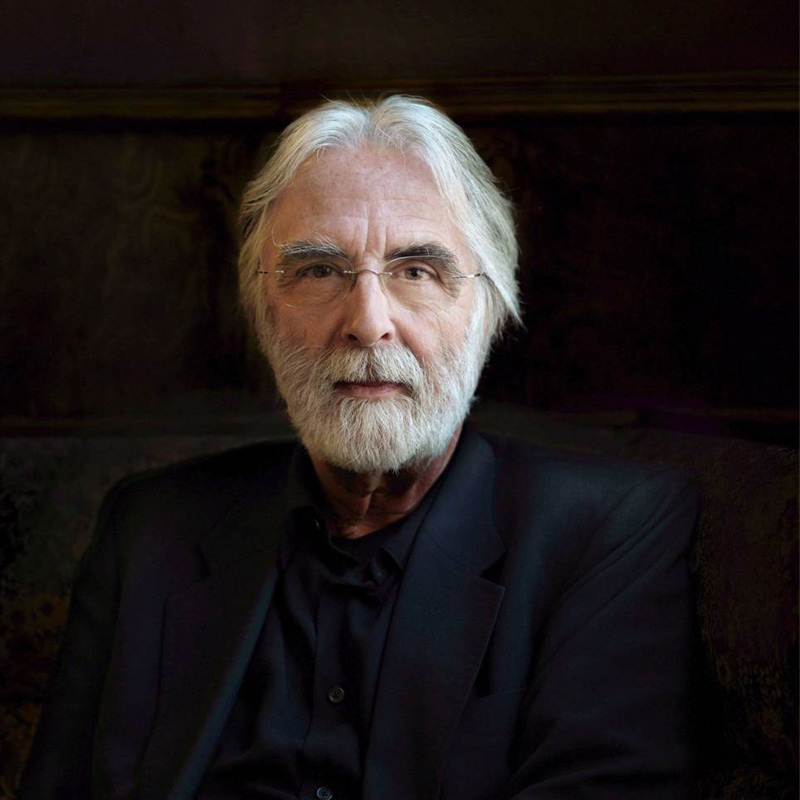
Michael Haneke wins Cannes top prize for Armour


MUMBAI: Michael Haneke won the top prize for his stark film about love and death Amour. The Austrian director‘s powerful and understated film stars two acting icons from France – 85-year-old Emmanuelle Riva and 81-year-old Jean-Louis Trintignant. They play an elderly couple coping with the wife‘s worsening health.
"I experienced something in my family that touched me." He thanked his wife and – in a rare personal comment – said he had promised her "we would never leave each other, like in the film," Haneke has been quoted to have said. The director said his reputation for delivering shocks was unjust.
Over the years, 10 films of Haneke has made it to the Cannes including Funny Games and Hidden. He previously won the Palme in 2009 for The White Ribbon and is only the seventh director to take the top prize twice.
While the second Grand Prize went to Matteo Garrone‘s Italian satire Reality, Ken Loach‘s The Angels‘ Share won the Jury Prize. Incidentally, both have won awards at the Cannes earlier – Garrone took the Grand Prize for Gomorrah in 2008 while Loach won the Palme d‘Or for The Wind That Shakes the Barley in 2006.

Mexico‘s Carlos Reygadas was named best director for Post Tenebras Lux.
The best actor prize went to Mads Mikkelsen for The Hunt, while the best actress award was won jointly by Cristina Flutur and Cosmina Stratan, as friends separated by faith in the Romanian film Beyond the Hills.
The prize winners were chosen from among 22 contenders by a jury, led by Italian director Nanni Moretti, that included actors Ewan McGregor and Diane Kruger, director Alexander Payne and fashion designer Jean-Paul Gaultier.

International
Russia-India cinematic spectacle Persimmon of My Love set for grand Moscow debut
Hindi cinema style musical revives Indo-Soviet cinema ties for today

MUMBAI: A new chapter in cross-border storytelling is set to unfold as Persimmon of My Love gears up for its premiere in Moscow on 1 April 2026, marking the first large-scale cinematic collaboration between Russia and India in decades.
Positioned as a modern nod to the cultural exchange that once brought Indian classics to Soviet audiences, the film blends Hindi cinema flair with Russian storytelling, aiming to rekindle a long-standing cinematic friendship.
Directed by Marius Weisberg, the musical comedy follows two brothers navigating a lively world of music, family and romance. The lead roles are played by Demis Karibidis and Mikhail Galustyan, with Karibidis also contributing as a screenwriter.
Shot entirely in India, the production leans heavily into Hindi cinema style spectacle. Filming took place across Mumbai studios and the cities of Udaipur and Jodhpur, whose architecture was used to create the fictional setting of Khurmada. A crew of over 350 worked on the project, with large-scale sequences featuring up to 1,000 extras.
The film also brings Indian creative talent into the mix. Dance sequences are choreographed by Jay Kumar, while music by Zurab Matua features songs in both Hindi and Russian, adding to its cross-cultural appeal.
Backed by TNT channel, MyWayStudio and the Russian Cinema Fund, the project reflects a broader push to strengthen cultural ties between the two countries.
With its mix of colour, comedy and cross-border collaboration, Persimmon of My Love is not just a film release but a reminder that cinema, much like music, travels well across borders.






