I&B Ministry
Media told to exercise self-regulation and ensure balance

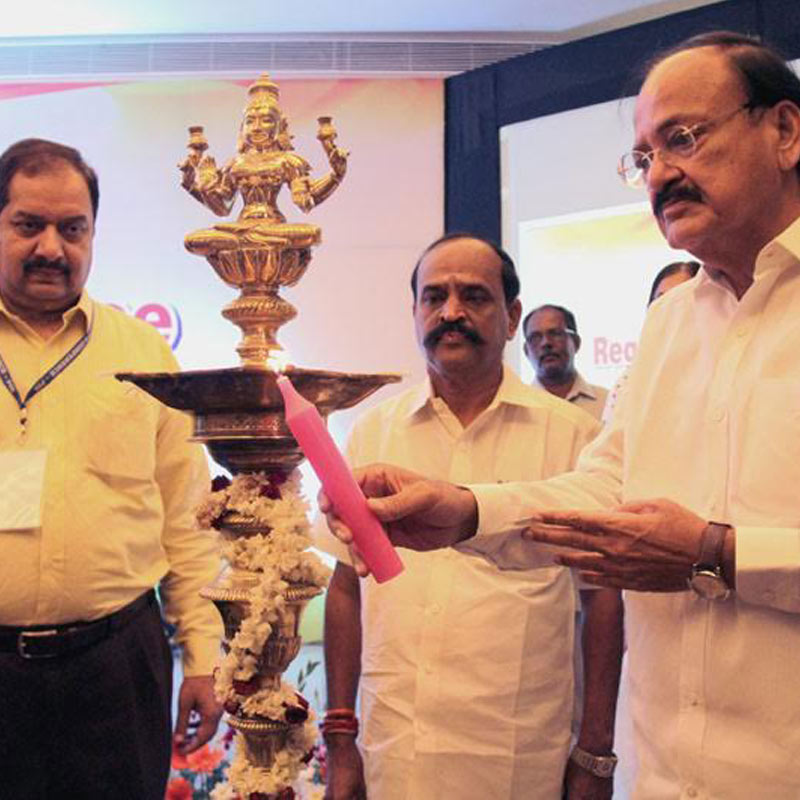
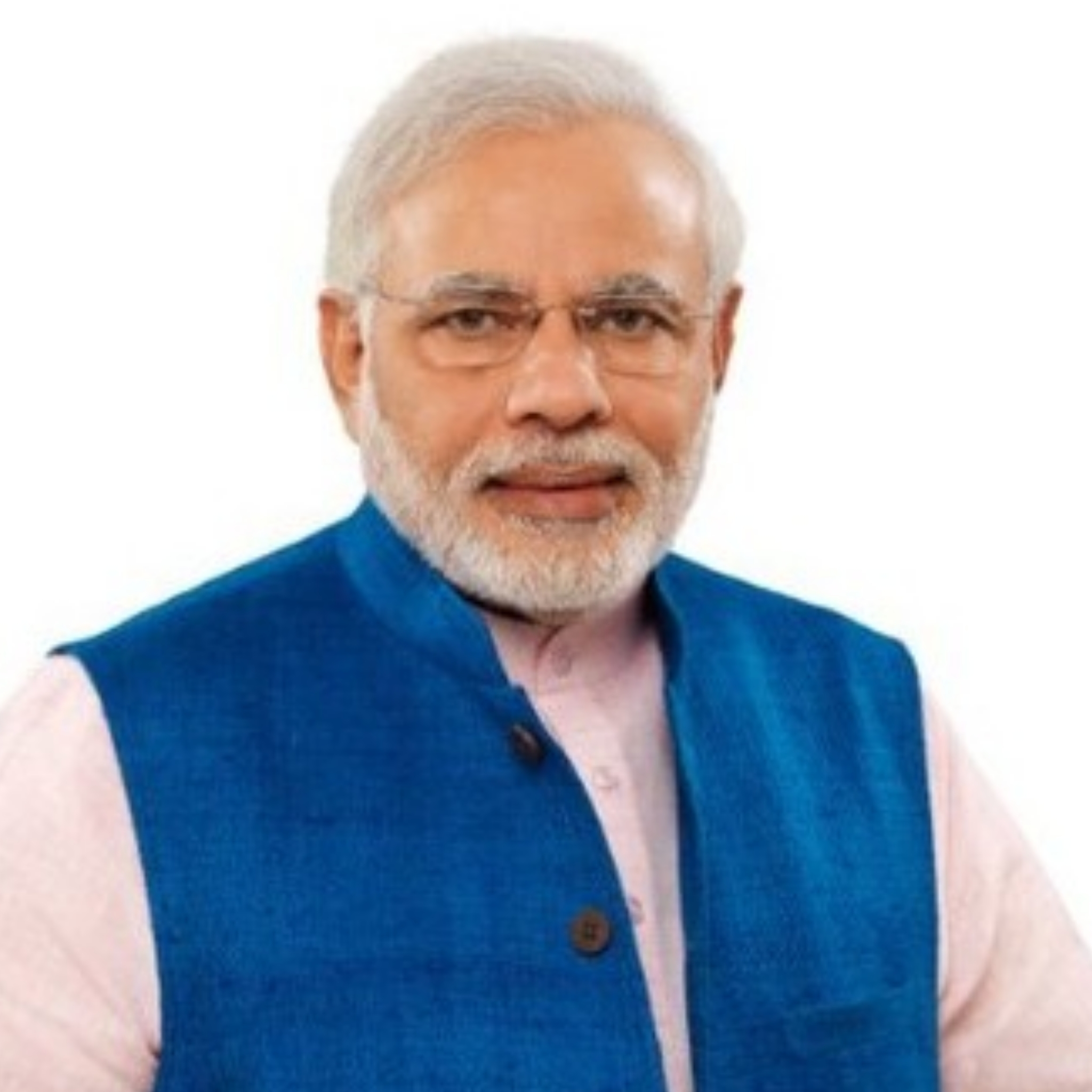
NEW DELHI: Information & Broadcasting Minister M Venkaiah Naidu has stressed on the need for self-regulation and reasonable restrictions in the context of rapid expansion of different forms of media in the country and the attendant competition in reporting on various events to maintain public order and ensure integrity and sovereignty of the country.
Inaugurating a two day ‘Regional Editors Conference’ at Chennai today, Naidu said that there is a need to ensure balance between freedom of expression and the genuine need for reasonable restrictions to ensure that that there is no ‘divisive communication’ given the social, cultural and economic diversity in the country. About 100 media persons from the southern states and Lakshdweep are attending the conference.
Self-regulation by media could be useful in this regard, he said. The growing compulsion of ‘instant communication’ should not lead media away from truthful reporting, the Minister stressed.

He urged the media to effectively play out its role as a partner in the progress of the nation by empowering the citizens with required information that would give them a voice. Naidu noted that success of developmental programmes of central and state governments depend on mass mobilization of people in which the media has an important role to play. “Hence, the Government led by Prime Minister Narendra Modi has placed communication as a critical component in the Governance of the Nation”, he added.
Noting that media in the country has been by and large progressive, Naidu reminded it of its first responsibility being towards the nation and the society. He noted that despite the emergence of new forms of media, print media has been reporting steady growth which is being driven by the growth of regional media. Naidu noted that regional media is uniquely placed in connecting the governments and the people given their focus on regional and local issues and their proximity to the people.
He expressed concern over politicization of public discourse on issues that have a bearing on social cohesion and national unity and integrity. He said that “Human rights are meant for human being and not for terrorists. One should not identify those imprisoned by their caste or religion. Illegal detention is not correct. One can seek fast track adjudication but not on the basis of caste or religion. Media should guard itself while reporting on such demands and events”.
Tamil Nadu Information & Publicity Minister Kadambur Raju referred to the developmental initiatives of the State Government, the efforts being made to create an enabling environment for effective functioning of the media and the positive role being played by the media.
The two day Regional Editors conference organized by the Press Information Bureau is aimed at sharing with the senior journalists of the southern States and Union Territories, the perspectives of and performance under new initiatives of the Government of India in sectors pertaining to Urban Development, Information Technology, Coastal security, Commerce and Industry and Shipping and Highways Development.



MUMBAI: When the numbers go silent, the noise on screen gets a little harder to measure. Ministry of Information and Broadcasting has extended the suspension of television rating data for news channels, directing Broadcast Audience Research Council (BARC) to withhold TRPs for another four weeks. The latest order, issued on March 31, 2026, builds on an earlier directive from March 6 that had paused ratings for a month. The ministry has clarified that the blackout will continue for four weeks or until further instructions are issued whichever comes earlier keeping the industry in a prolonged state of data drought.
The reasoning, officials suggest, lies far beyond domestic screens. With geopolitical tensions in West Asia continuing to escalate, the government has flagged concerns over how such developments could influence news consumption and presentation. The move is aimed at curbing excessive sensationalism and speculative coverage during what it describes as a sensitive global moment.
For the broadcast ecosystem, the absence of Television Rating Points (TRPs) is more than symbolic, it removes the industry’s primary scorecard. Ratings dictate advertising flows, shape editorial strategies and fuel the competitive pecking order among news channels. Without them, broadcasters are effectively operating without a public performance benchmark.
The timing only adds to the complexity. Amid a high-intensity global news cycle, channels must now navigate audience engagement without the weekly feedback loop that typically drives programming decisions. Advertisers, too, are left recalibrating, leaning on proxies such as brand strength, reach and distribution instead of hard viewership data.
While framed as a temporary regulatory intervention tied to maintaining public order, the extended suspension underscores a broader unease about the tone and direction of news coverage. For now, the ratings race is on pause but the battle for attention continues, just without a scoreboard.






