News Broadcasting
Mark Thompson new BBC director general

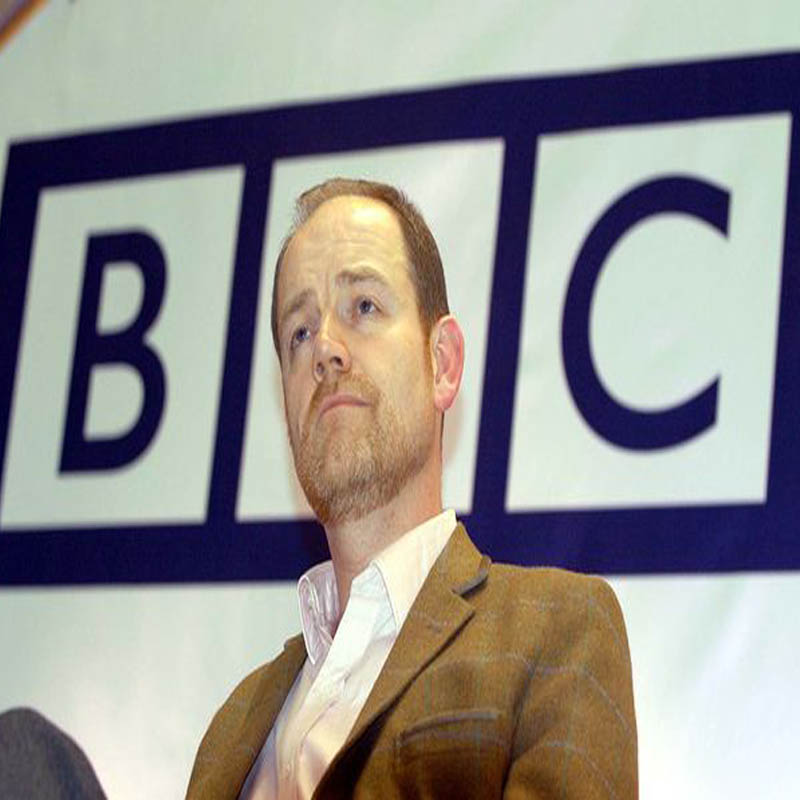
MUMBAI: Veteran television executive Mark Thompson is the new director general of BBC. Thompson, the chief executive of the private Channel 4 television, will replace Greg Dyke, who resigned following the scandal over BBC’s reporting on Britain’s pre-war intelligence about Iraq.
Lord Hutton, the senior appeals judge who led the investigation had harshly criticised the BBC for a May 2003 report that had quoted an anonymous source as saying the government had ‘sexed up’ evidence on Iraqi weapons to justify war.
This is a homecoming of sorts for Thompson, who had been with the BBC for 23 years, holding many positions in news and current affairs including director of its television division. After quitting the BBC, Thompson, 46, had joined Channel 4 as chief executive more than two years ago.

To a question on boosting the staff morale at the BBC in the wake of the Hutton Inquiry, Thompson is quoted as saying the staff could be very confident about the BBC’s future, although there were lessons to be learned from recent months.
“I worked for the BBC for 23 years and saw any number of crises and changes, journalistic and otherwise,” he said.
Welcoming Thompson’s appointment, the government’s culture secretary Tessa Jowell is quoted in the media reports as saying, “Mark Thompson is one of our most distinguished public service broadcasters. His experience, skills and enthusiasm will give renewed confidence and direction to the BBC, who now have an outstanding team with Michael Grade as chairman.”
Speaking on behalf of the BBC’s board of directors, Grade is quoted as saying Thompson was the right person to lead the BBC at this important period in its history.






News Broadcasting
Network18 channels lead YouTube news viewership in March 2026
CNN-News18, News18 India and CNBC channels top categories with record views

MUMBAI: When the world hit refresh on breaking news, Network18’s channels were already streaming ahead. As geopolitical tensions and war-driven headlines fuelled a surge in global news consumption, the network’s digital playbook delivered big clocking record Youtube viewership across English, Hindi and business news categories in March 2026.
At the forefront was CNN-News18, which emerged as the clear leader in the English news segment with 130 million live and video-on-demand views. The channel edged past competitors such as Times of India (126.5 million), Times Now (101.1 million), India Today (88.2 million) and NDTV (77.5 million), according to Databeings data for March.
In the Hindi news arena, News18 India delivered a commanding performance, racking up a staggering 3,297 million views on YouTube. The channel comfortably outpaced NDTV India, which recorded 3,119 million views, underlining its deep reach and consistent engagement with mass audiences, as per Playboard data.
The network’s dominance wasn’t confined to general news. In the Hindi business segment, CNBC Awaaz topped the charts with 92 million views, narrowly ahead of Zee Business (90 million) and well ahead of ET Now Swadesh (57 million). Meanwhile, its English counterpart CNBC-TV18 posted a strong 58 million views, reinforcing the network’s cross-category strength.
The spike in viewership reflects a broader shift in audience behaviour, with viewers increasingly turning to digital platforms particularly Youtube for real-time updates and in-depth coverage during high-intensity news cycles. For Network18, the numbers signal more than just scale; they underline the effectiveness of a multi-platform strategy that blends speed, credibility and continuous coverage.
In a month where the news never paused, it seems viewers chose to stay tuned where the stream never stopped.






