Hindi
Maharashtra CM Prithviraj Chavan agrees to consider long standing issues of film industry

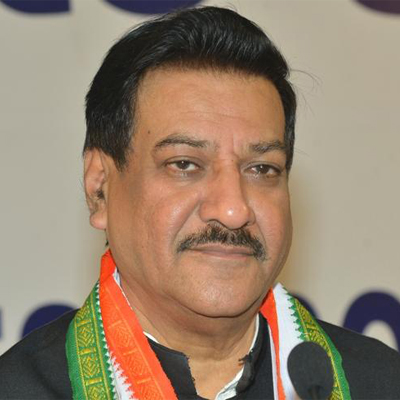
NEW DELHI: The Maharashtra Government has granted retrospective exemption of VAT on copyright through sale or lease of cinematographic film for theatrical purpose.
This proposal was moved in the recent budget session in the state assembly.

A delegation of the Film and Television Producers Guild of India called on Maharashtra Chief Minister Prithviraj Chavan to express its gratitude for this move and to raise other issues affecting the industry. Chavan said to the delegation that he would address the issues of the film industry in Maharashtra.
Mohammed Arif Naseem Khan, Minister of Textiles & Minorities Development was also present at the meeting.
The delegation comprised Guild president Mukesh Bhatt, senior Guild members Ramesh Sippy, Manmohan Shetty and Kamal Kumar Barjatya along with Guild chief executive officer Kulmeet Makkar. The film distribution and exhibition sector was presented by Indian Motion Pictures Distributors Association Ramesh Sippy of Raksha Entertainment.
“Maharashtra has been the home for Hindi cinema for over 100 years and it is the Maharashtra Government which can look after the interests of the Film Industry,” reiterated Mukesh Bhatt. He added, “We have been voicing our concerns on the multiple tax related issues and serious challenges faced by the film makers to shoot films and television programs in Maharashtra.”
The entertainment tax of up to 45 per cent levied on Hindi film industry in Maharashtra is amongst the highest in the country along with other taxes such as stamp duty on the contracts and now the fear of Local Body Tax (in lieu of octroi) if introduced may further impact the heavily taxed industry.
The representatives of the delegation also spoke about the growth potential of the film sector and employment opportunities this sector can generate if the state government offers to extend complete support by just simplifying tax norms and permissions to open more cinemas.
Makkar told indiantelevision.com that the Chief Minister agreed there was need to rationalise the tax structure and assured the delegation that he would address these issues on top priority.
The Chief Minister also appreciated the rightful consideration deemed to the film industry as a ‘Soft Power’ of the nation. He concurred with the concern expressed by the delegation over the multi-prong challenges faced by the film industry in the State of Maharashtra despite the State being the birth place of the industry.
He appreciated the need to grow cinema screens in the state by reducing number of permissions and approvals required to open a cinema hall. He was positively inclined to simplifying the processes for shooting clearances in Maharashtra in terms of formulating a single window mechanism.



Hindi
Rashmika Mandanna, Shanaya Kapoor and Naila Grrewal climb IMDb’s Indian celebrity rankings
Upcoming films and returning shows are driving fan interest across Bollywood and streaming

MUMBAI: Bollywood’s popularity contest has a new weekly scorecard, and the numbers are telling. IMDb’s Popular Indian Celebrities list for this week places Shanaya Kapoor at number six, buoyed by buzz around her film Tu Yaa Main. Naila Grrewal slots in at seven on the back of the returning comedy series Maamla Legal Hai, while Rashmika Mandanna climbs to eighth, riding mounting anticipation for Cocktail 2.
The list, available exclusively on the IMDb app for Android and iOS, tracks trending Indian entertainers and filmmakers each week, drawing on data from more than 200m monthly visits to the platform worldwide.
Further down the rankings, Raaka is keeping two of its biggest names in the spotlight. Deepika Padukone holds 11th position, with Allu Arjun close behind at 13th, as the film continues to find traction with audiences.
The list offers fans a weekly pulse on who is breaking through, who is holding steady, and who is fading. It is a barometer as unsparing as the box office itself.







