Hindi
Lyricist Gulzar gets Indira Gandhi National Integration Award

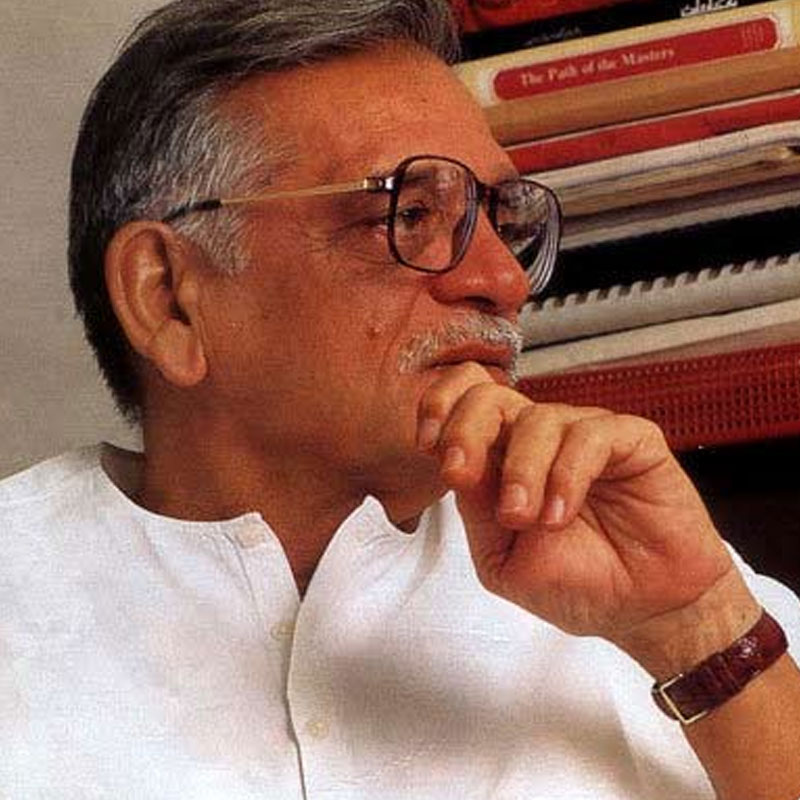
NEW DELHI: Veteran lyricist, poet and author Gulzar was bestowed with the 27th Indira Gandhi award for National Integration in recognition of his contribution in promoting and preserving spirit of national integration.
The award was given away on 31 October, which marks the death anniversary of Mrs Indira Gandhi, in New Delhi by Congress president Sonia Gandhi.
The award had been instituted by Congress in its centenary year to give recognition to outstanding contribution to the cause of national integration by individuals and institutions. The award includes a citation and cash prize of Rs 500,000.

Former recipients of the award from the film industry include noted film director Shyam Benegal, lyricist Javed Akhtar, and music maestro A R Rahman.
Born as Sampooran Singh Kalra, the lyricist, who is also a known director, adopted Gulzar as his pen-name.
He was awarded the Padma Bhushan in 2004 for his contribution to the arts and the Sahitya Akademi Award in 2002. He has won a number of National Film Awards and Filmfare Awards. In 2009, he won the Academy Award for Best Original Song for “Jai Ho” in the film Slumdog Millionaire (2008). On 31 January 2010, the same song won him a Grammy Award in the category of Grammy Award for Best Song Written for a Motion Picture, Television or Other Visual Media.
Along with lyrics, he has also contributed in many films as script, story and dialogue writer. Films directed by him have also won numerous awards and have been critically acclaimed. He has also worked on the small screen by creating series Mirza Ghalib and Tehreer Munshi Premchand ki among others. He wrote the lyrics for several Doordarshan serials including Hello Zindagi, Potli Baba Ki and Jungle Book.
After writing dialogues and screenplay for films like Aashirwad, Anand and Khamoshi, Gulzar directed his first film Mere Apne (1971). He then directed Parichay and Koshish. In 1973 he made Achanak and later Aandhi, Angoor, Khushboo, Mausam, Libaas, Maachis, and Tu Tu.
Many of his popular songs were sung by Kishore Kumar, Lata Mangeshkar and Asha Bhosle. These include “Musafir Hoon Yaron” (Parichay), “Tere Bina Zindagi Se Koi” (Aandhi), “Mera Kuch Samaan” (Ijaazat), and “Tujhse Naaraz Nahi Zindagi” (Masoom).

Hindi
MIFF 2026 to return to Mumbai; film entries open till April 12
19th edition to host WAVES Doc Bazaar, spotlighting global documentary talent
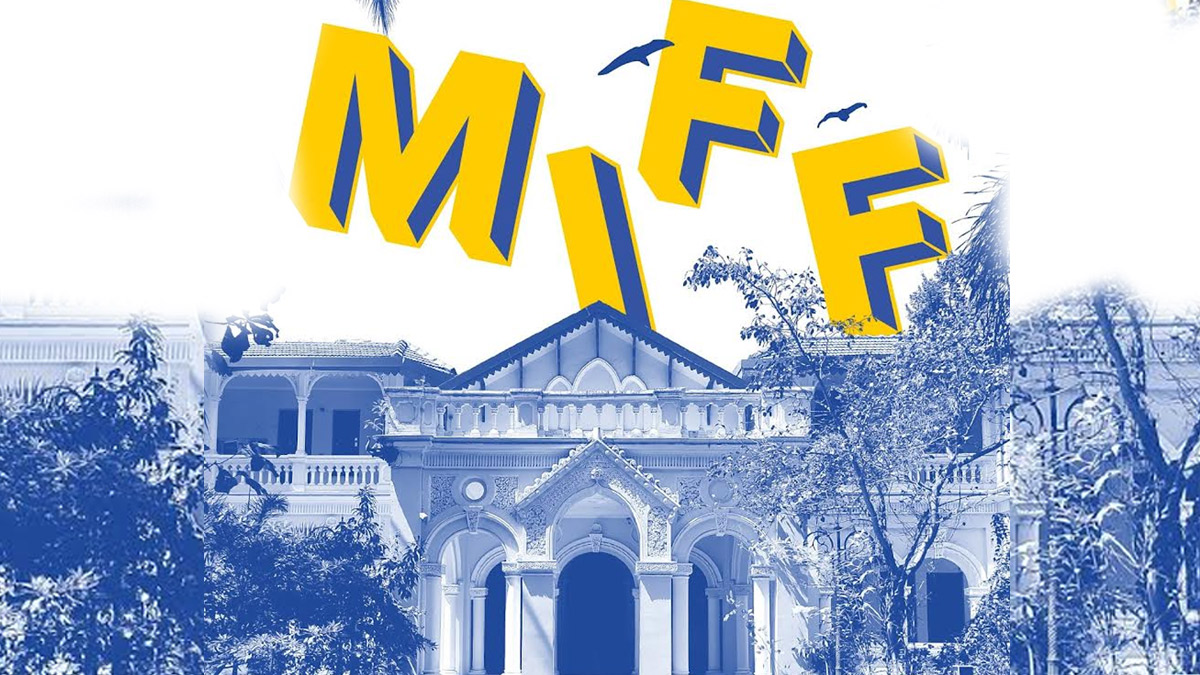
MUMBAI: The 19th edition of the Mumbai International Film Festival 2026 is set to take place from June 15 to 21 at the NFDC Complex, with film submissions currently open and the deadline fast approaching on April 12.
Organised by the National Film Development Corporation under the Ministry of Information and Broadcasting, the biennial festival remains one of South Asia’s most prominent platforms for documentary, short fiction and animation films.
Filmmakers, producers and content creators from across the globe have been invited to submit entries via the Film Freeway platform for the Competition Section. Offline submissions will not be accepted, reinforcing a fully digital entry process.
MIFF 2026 continues to sweeten the deal with a robust awards pool of Rs 55 lakh. The coveted Golden Conch for Best Documentary carries a top prize of Rs 10 lakh, alongside multiple awards across categories, making it one of the most lucrative non-feature film festivals in the region.
A key highlight this year will be the second edition of the WAVES Doc Bazaar, scheduled from June 16 to 18 alongside the festival. Designed as a hub for collaboration, the Doc Bazaar will feature a co-production market, viewing rooms and a work-in-progress lab, bringing together global buyers, sellers and creators under one roof.
Since its inception in 1990, MIFF has built a reputation as a serious showcase for non-feature cinema, drawing participation from filmmakers worldwide. The previous edition saw over 350 films from more than 30 countries, underlining its growing international footprint.
With submissions closing soon and preparations underway, MIFF 2026 is shaping up to be a vibrant meeting point for storytelling, collaboration and cinematic craft, offering filmmakers both a stage and a springboard.







