Gaming
Lumikai & Loco partner to host Game Night on 26 Nov

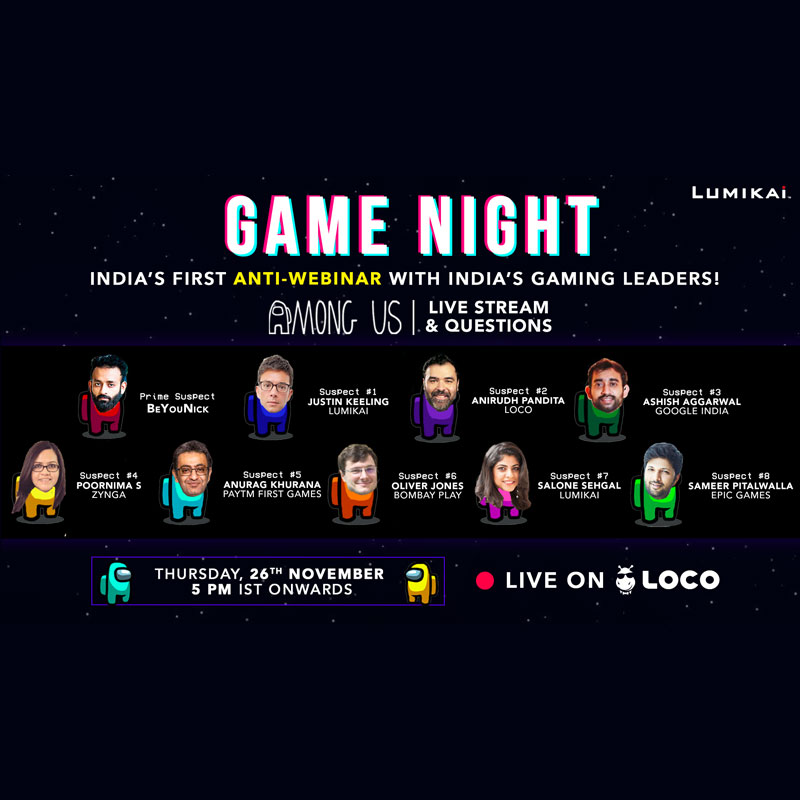
New Delhi: Gaming has emerged as one of the extremely promising categories of the future and is entering into the mainstream. Starting from equipment manufacturers to game creators and gamers, the industry is expanding rapidly with every passing day. Youth is now beginning to opt for gaming as a full-time career and agencies are now working very closely with brands and game developers to create a synergy.
The category has created a lot of excitement in the marketing community. Multiple brands across categories are now utilizing games as a medium to connect with their audiences as they understand that people, especially youth, are spending their time gaming. The category is slowly catching up pace in the media mix of a brand.
In the last few years, India has emerged as one of the top five gaming countries and most of the players prefer mobile over a personal computer. Interestingly, India is a mobile-first gaming market. Today, gamers include both males and females. Several experts have also suggested that the average age of a gamer in India is less than 20 years. There is a lot of younger audience and it is the freemium model that is leading to the growth in India.

With an idea to expand the gaming ecosystem, Lumikai and Loco have organized a Game Night on 25 Nov for gamers, start-up founders, indie studios, and creators for a chat about gaming, entrepreneurship, building content and India’s growing games ecosystem
The night is hosted by BeYouNick (YouTuber) along with Justin Keeling and Salone Sehgal (Lumikai), Anirudh Pandita (Loco), Ashish Aggarwal (Google India), Sameer Pitalwala (Epic Games), Anurag Khurana (PayTm First Games), Poornima.S (Zynga), and Oliver Jones (Bombay Play).
Tune in live on Loco on 26 November at 5 pm.






Gaming
Konami concludes successful eFootball India campaign
Campaign featuring Rinku Singh, Varun Chakravarthy and other stars boosts engagement ahead of FIFA World Cup 2026.
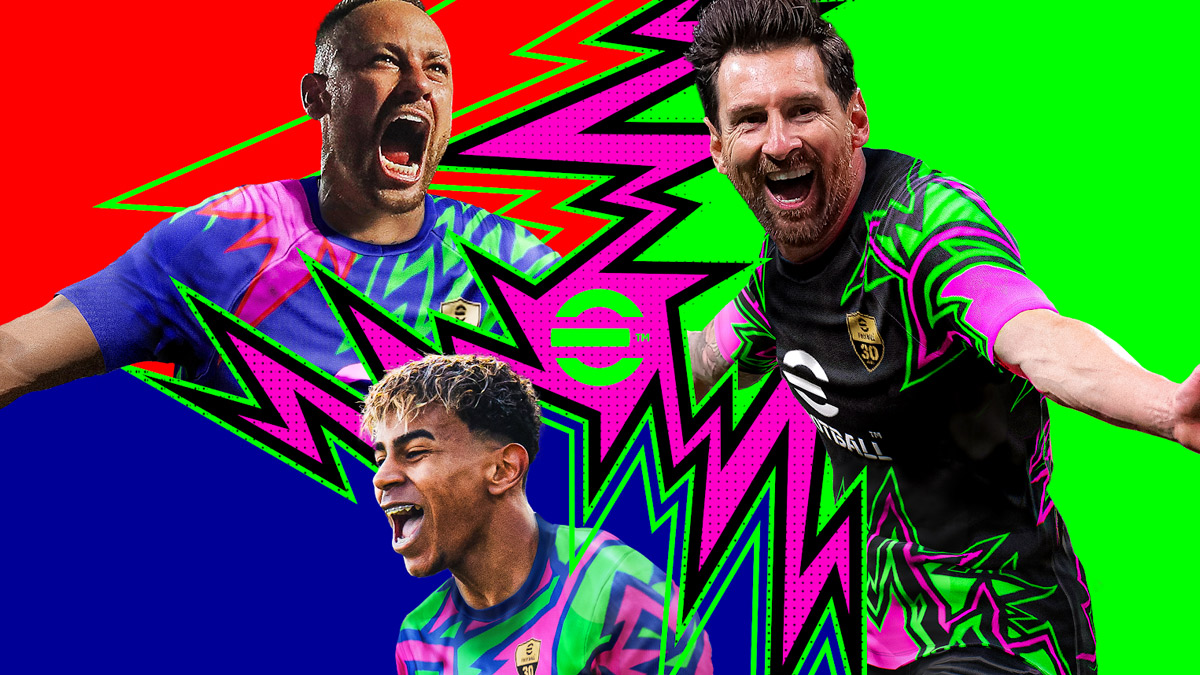
MUMBAI: When cricket meets football in the virtual world, even the biggest fans can’t help but score and Konami’s latest eFootball campaign in India has clearly hit the back of the net. Konami Digital Entertainment has successfully wrapped up its India campaign for eFootball, which brought together cricketers Rinku Singh and Varun Chakravarthy, actors Naslen Gafoor and Chandu Salim Kumar, and footballers Sahal Abdul Samad and Shubhasish Bose. The multi-star campaign generated strong excitement across gaming, football, and creator communities through social content, fan participation, and in-game engagement.
Building on the initial launch that featured a limited-time Lionel Messi card, the campaign united fan communities, lifestyle creators, football creators, and competitive eFootball influencers. It significantly expanded the game’s visibility and deepened engagement with fans across the country.
The campaign also saw thousands of entries submitted as part of its social media engagement challenge, reflecting high levels of community enthusiasm and active creator involvement.
Looking ahead, Konami plans to build on this momentum with more eFootball experiences for Indian fans as the FIFA World Cup 2026 approaches. With global attention on the tournament set to rise, India will remain a key market for deepening community engagement and bringing fans closer to the action.
In a country that lives and breathes sport, Konami has shown that mixing real-world stars with virtual thrills is a winning formula leaving fans eagerly waiting for the next goal.






