iWorld
Lens of regulation is more important: Uday Shankar on OTT platforms

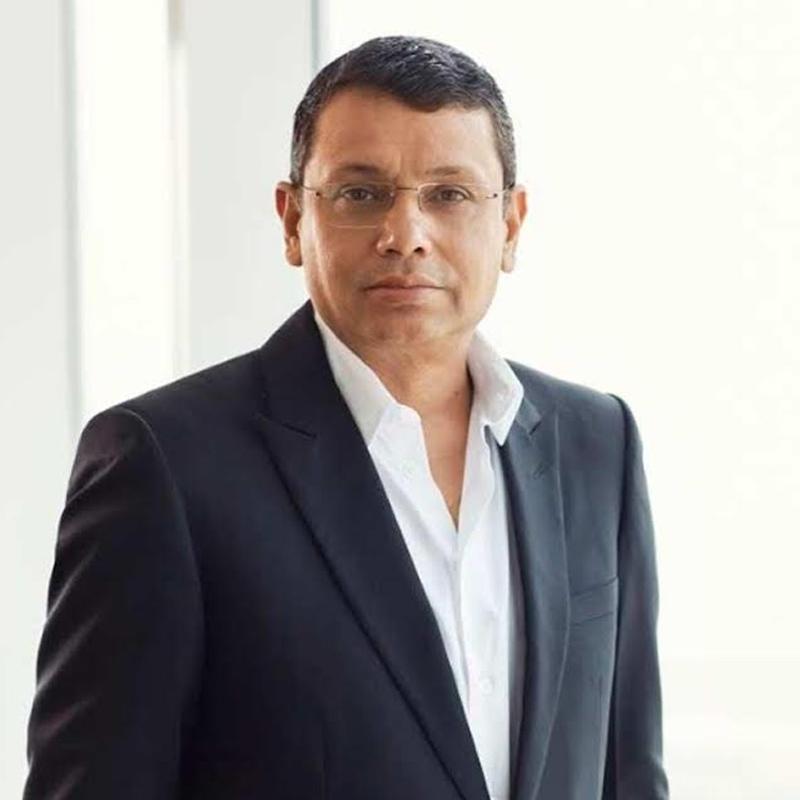
KOLKATA: ‘Will OTT platforms be put on leash?’ is the question being discussed and debated lately, especially after being brought under the ambit of the ministry of information and broadcasting (MIB). It is very much evident that the industry will have some regulatory framework sooner or later but what matters is the regulatory lens, as Star & Disney India president Uday Shankar said at the HT Leadership Summit 2020.
“More than anything else, it is an official decision. I don’t really think it matters. What is important is what will be the lens of regulation. Do we really want to be over-prescriptive or do we want creativity and imagination to have a role in this?" Shankar commented on the matter of government monitoring OTT content.
According to him, the country and consumers have always been way ahead of where the government and regulators believe they are. They are far more open and mature but regulators assume that a huge filter needs to be applied before they consume content.

However, he cautioned that global streaming services must not be insensitive to India’s diversity and culture by offering content simply tailored to grab eyeballs. “I’m not a fan of censorship, I don’t believe in it…the kind of gratuitous content, the amount of sex, abusive language or violence, even though it is part of all our lives…a lot of the times it is just done to pander to attention," he said.
In light of the recent controversies and calls for boycott of certain OTT platforms over shows that purportedly wounded religious sentiments, Shankar averred that foreign players need to take some responsibility for the content they put out, because in the end, India is a sensitive country.
“We should not take the freedom for granted. I think this is what happens when the global services come into the country and disregard everything. They believe that what works in one country can work in every country. This is the backlash,” he noted.






e-commerce
Instamart gold dig event at Hussain Sagar goes viral
Hyderabad activation ties to gold price lock offer ahead of Akshaya Tritiya

MUMBAI: All that glitters isn’t just gold, it’s also great marketing. A quirky on-ground activation by Instamart at Hussain Sagar Lake has turned into a viral spectacle, with videos of people digging for gold coins flooding social media feeds this week. The campaign, executed in collaboration with Moms, transformed a patch of the city’s iconic lakefront into what online users quickly dubbed a “mini gold rush”. Armed with spades, participants dug through a mud-filled pit in search of hidden gold coins, an activity that drew crowds, cameras and plenty of commentary online, ranging from amused disbelief to outright fascination.
At the heart of the frenzy was a promotional push for Instamart’s ‘Gold Price Lock’ feature, which allows users to secure prevailing gold rates between April 10 and April 16 and complete their purchase later during Akshaya Tritiya, a period traditionally associated with high gold buying. The mechanic cleverly blended physical participation with digital conversion, turning curiosity into a potential transaction.
Branded as ‘Gold Diggers’, the activation leaned into gamified engagement. Those who struck lucky walked away with coins, those who didn’t were nudged with a simple message: lock the price now, buy later. The result was a steady stream of footfall and a surge in user-generated content, as onlookers and participants alike documented the spectacle.
The timing is significant. India remains one of the world’s largest consumers of gold, with demand peaking around Akshaya Tritiya. Data from the World Gold Council suggests the festival alone accounts for roughly 25–30 tonnes of gold purchases annually, making it a high-stakes window for brands looking to tap into consumer sentiment.
As the ‘Gold Price Lock’ feature remains live until April 16, the campaign has already done its job turning a simple product feature into a citywide moment. Because sometimes, the quickest way to get people talking about gold isn’t to sell it, it’s to make them dig for it.







