News Broadcasting
LCDs, cameras allow Sony to post a better than expected quarterly result

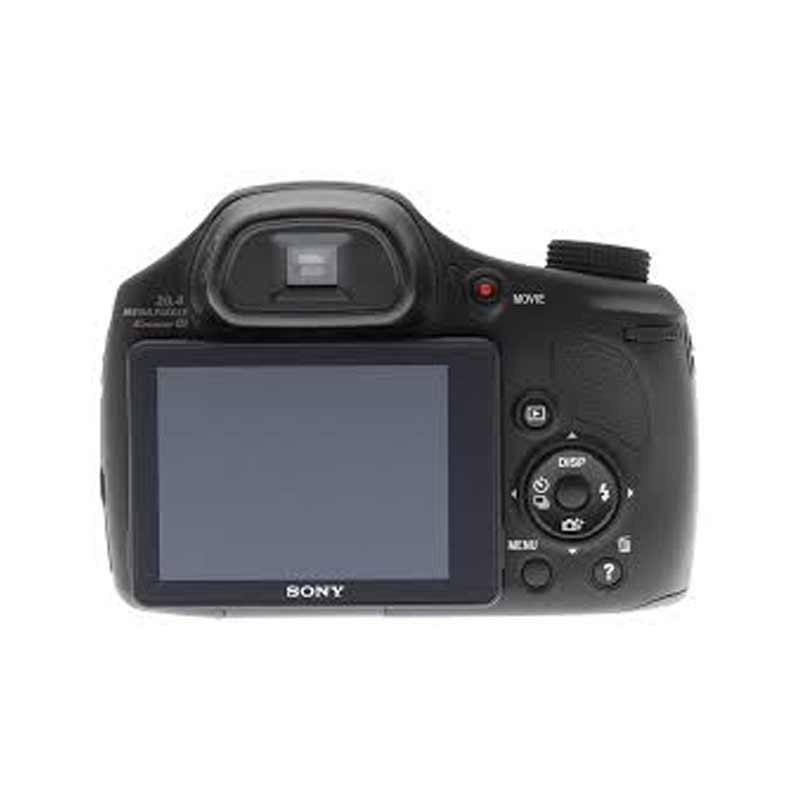
MUMBAI: Japanese consumer electronics conglomerate Sony has reported better than expected results for the first-quarter ended 30 June 2006.
Net income was ¥32.3 billion with a loss of ¥7.3 billion a year earlier. Media reports indicate that analysts had expected the company to report lower income. Sony got a boost from sales of its Bravia brand LCD televisions and Cybershot digital cameras.
For the full year to next March, Sony revised up its operating profit forecast by 30 per cent to 130 billion yen as it started booking patent-related income as recurring revenue rather than miscellaneous income. It kept unchanged its net profit forecast of 130 billion yen.

Sales rose 11 per cent to ¥1.74 trillion from a year earlier. Operating profit, or sales minus the cost of goods sold and administrative expenses, was ¥27 billion for the period, compared with a restated ¥6.6 billion loss a year earlier.
Profit from the electronics division, which accounts for more than 70 per cent of the company’s sales, was ¥47.4 billion, from a loss of ¥26.7 billion a year earlier. Sales of electronics including Bravia TVs, Cyber-shot cameras and Vaio personal computers increased by 14 per cent to ¥1.28 trillion.
Sales of its TVs rose by 75 per cent to ¥262 billion. Sony joins rivals Sharp and Matsushita Electric Industrial in reporting higher profit because of TV sales.
It looks like Sony CEO Howard Stringer’s cost cutting measures are starting to pay dividends. In September Stringer had outlined a plan to axe 10,000 jobs and shut down 11 factories. Stringer also stopped paying 44 retired executives, sold two corporate jets and some retail businesses, including a cosmetics maker and a restaurant chain.
On the film front Sony benfited from The Da Vinci Code. This helped the company increase sales by 42 per cent in the quarter. However, higher marketing costs meant that the film division suffered an overall loss.






News Broadcasting
UDF poised to return to power in Kerala, says Manorama-CVoter survey
Massive opinion poll projects shift in Kerala politics ahead of 2026 Assembly elections.

MUMBAI: The winds of change appear to be blowing through Kerala’s political landscape and this time, they seem to favour the United Democratic Front. A comprehensive mega opinion survey conducted by Manorama News in partnership with CVoter projects a potential comeback for the UDF in the upcoming Kerala Legislative Assembly Elections 2026. The survey, covering all 140 constituencies with a massive sample size of nearly 90,000 respondents, predicts the UDF could win between 69 and 81 seats.
The ruling Left Democratic Front (LDF) is expected to secure 57 to 69 seats, a significant drop from the 99 seats it won in the 2021 elections. This would mean the LDF losing 30 to 42 of its sitting seats. Meanwhile, the National Democratic Alliance (NDA), which drew a blank in 2021, is projected to open its account with 1 to 5 seats.
Region-wise, the UDF is expected to make strong gains in Malabar, winning 25 to 34 out of 48 seats, and in Central Kerala, where it could bag 29 to 33 out of 53 seats. In South Kerala, the LDF is likely to retain an edge with 21 to 25 seats, while the UDF may improve to 12 to 16 seats. The NDA could pick up 1 to 3 seats in the southern region.
The survey was conducted between 14 and 26 March 2026, with additional tracker and snap polls carried out from December 2025 to March 2026. A total of 89,693 respondents participated, ensuring representation across all demographics and social segments.
Manorama News has a strong track record of accuracy, with its previous projections closely matching the actual results of the 2019 and 2024 Lok Sabha elections as well as the 2021 Kerala Assembly polls.
In Kerala’s famously fierce political battles, this survey suggests the pendulum may be swinging back. Whether the final verdict matches these numbers or throws up another surprise, one thing is clear, the 2026 Assembly elections are shaping up to be one of the most keenly watched contests in the state’s history.






