Gaming
KyaZoonga sells all tickets for Sachins match within 15 hours


MUMBAI: Within 15 hours Kyzoonga.com, the official online ticketing partner for Mumbai Cricket Association’s (MCA) 2nd India vs West Indies Test match, which will also pull down the curtains on Sachin Tendulkar’s illustrious international Test career, sold all the allotted tickets for the match.
Apparently, the site had crashed within minutes of opening sales on Monday because of heavy online traffic. The site witnessed close to 20 million hits in the first hour itself. The website remained clogged till very late as all the cricketing fans wanted to book a ticket for the over-hyped match. According to reports, the site had only 6,000 tickets for sale for the general public for the master blaster’s last match.
However, the objective of the organisers was to ensure wider reach and also that no person was allotted more than two tickets.

The buyers who have been successful in booking tickets can start collecting their tickets now from the Mumbai Hockey Association counters, next to Wankhede Stadium. Customers are required to get the validation documents as outlined on the site and on their confirmation page.
The buyers, who couldn’t book the tickets successfully but have seen a balance deduction, will be refunded soon.





Gaming
Konami concludes successful eFootball India campaign
Campaign featuring Rinku Singh, Varun Chakravarthy and other stars boosts engagement ahead of FIFA World Cup 2026.
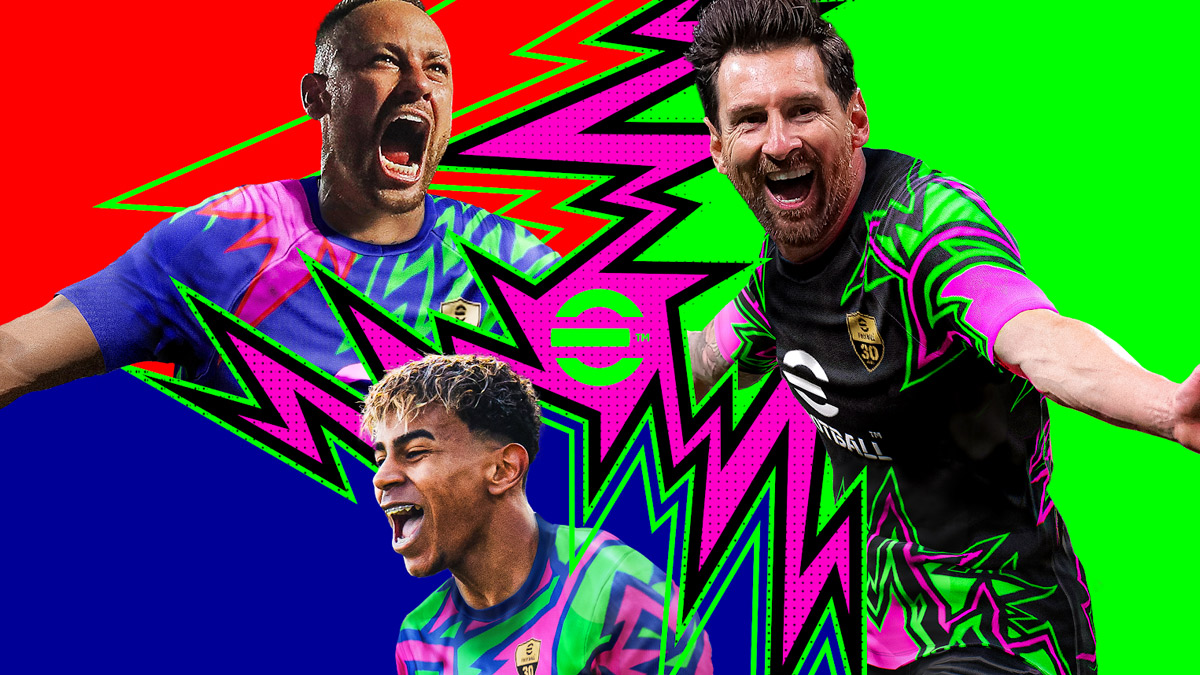
MUMBAI: When cricket meets football in the virtual world, even the biggest fans can’t help but score and Konami’s latest eFootball campaign in India has clearly hit the back of the net. Konami Digital Entertainment has successfully wrapped up its India campaign for eFootball, which brought together cricketers Rinku Singh and Varun Chakravarthy, actors Naslen Gafoor and Chandu Salim Kumar, and footballers Sahal Abdul Samad and Shubhasish Bose. The multi-star campaign generated strong excitement across gaming, football, and creator communities through social content, fan participation, and in-game engagement.
Building on the initial launch that featured a limited-time Lionel Messi card, the campaign united fan communities, lifestyle creators, football creators, and competitive eFootball influencers. It significantly expanded the game’s visibility and deepened engagement with fans across the country.
The campaign also saw thousands of entries submitted as part of its social media engagement challenge, reflecting high levels of community enthusiasm and active creator involvement.
Looking ahead, Konami plans to build on this momentum with more eFootball experiences for Indian fans as the FIFA World Cup 2026 approaches. With global attention on the tournament set to rise, India will remain a key market for deepening community engagement and bringing fans closer to the action.
In a country that lives and breathes sport, Konami has shown that mixing real-world stars with virtual thrills is a winning formula leaving fans eagerly waiting for the next goal.






