Gaming
KRAFTON signs MoU with Gujarat government to boost esports and gaming ecosystem

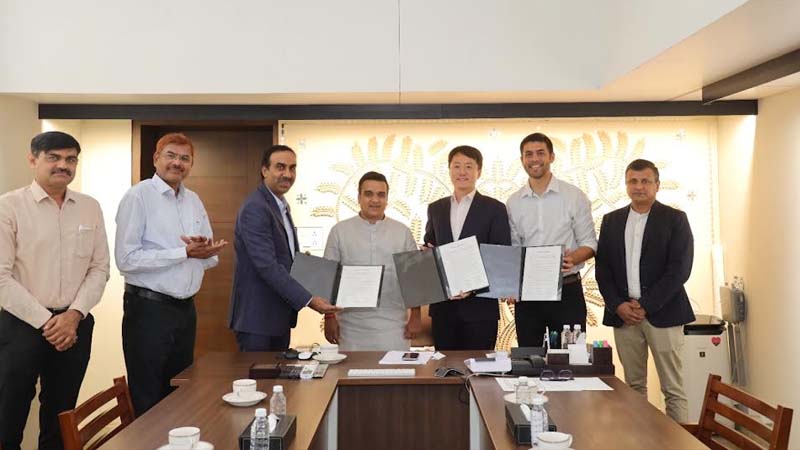
Mumbai: In a significant development for the Indian gaming industry, KRAFTON Inc, the leading South Korean video game developer, has announced a strategic Memorandum of Understanding (MoU) with the government of Gujarat and TransStadia Technologies Pvt Ltd. This collaboration is set to stimulate the technology, gaming, and esports ecosystem in Gujarat, furthering KRAFTON’s dedicated efforts to cultivate India’s overall gaming and technology environment.
The vibrant state of Gujarat, known for its rapid economic growth and burgeoning status as a magnet for foreign direct investment (FDI), is now poised to become a pivotal center for the esports and gaming industry. The state’s commitment to technological innovation and digital infrastructure makes it an ideal partner for KRAFTON, aiming to propel the local and national gaming scenes to new heights.
“We are immensely proud to announce our partnership with the Government of Gujarat, a collaboration representing a significant stride forward for game development and esports in India. By combining Gujarat’s vibrant growth environment and our expertise in game development and esports, we are set to create unparalleled opportunities for talent development, infrastructure enhancement, and community engagement. We firmly believe that this collaboration will have a profound and positive impact, fostering innovation, and inspiring a new generation of gamers and developers.” said KRAFTON India CEO Sean Hyunil Sohn.

The government of Gujarat expressed enthusiasm for the partnership, emphasising its alignment with the state’s vision for digital and economic growth. government of Gujarat minister for home, sports, youth and cultural activities Harsh Sanghavi remarked, “Government of Gujarat will benefit from this collaboration with KRAFTON as it will undoubtedly catalyze our efforts to transform Gujarat into an indigenous and interactive hub for e-sports. We look forward to the positive impact this partnership will have on our youth and the broader esports gaming community.”
KRAFTON has already invested $160 million in Indian startups since 2021 and plans to invest an additional $150 million over the next two to three years. In line with this commitment, KRAFTON recently launched the KRAFTON India Gaming Incubator program, an initiative designed to nurture game development talent in India by providing funding, mentorship, and essential resources to promising developers.
More recently, KRAFTON India also hosted BMPS 2023 (Battlegrounds Mobile India Pro Series) in Ahmedabad, a collaborative effort by KRAFTON and the city of Ahmedabad to foster the growing gaming ecosystem. With the signing of this MoU, the future of gaming and esports in Gujarat and India at large is brighter than ever. This collaboration is expected to create new opportunities, nurture talent, and establish Gujarat as a landmark destination for the global gaming community.





Gaming
Konami concludes successful eFootball India campaign
Campaign featuring Rinku Singh, Varun Chakravarthy and other stars boosts engagement ahead of FIFA World Cup 2026.
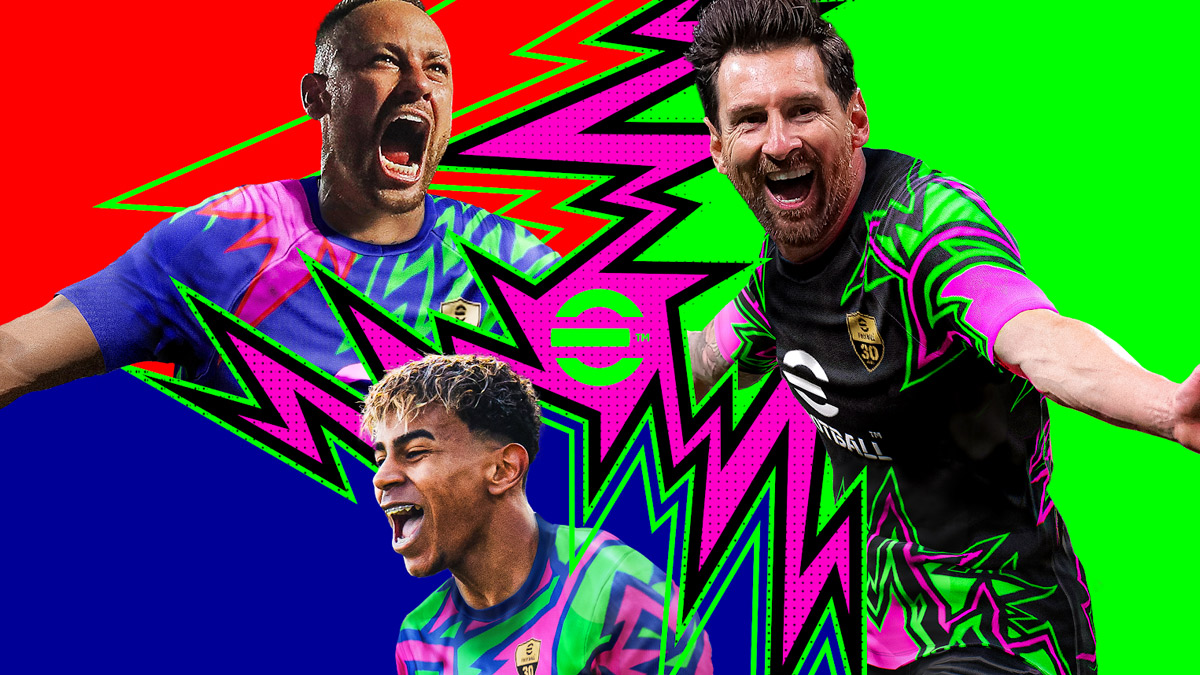
MUMBAI: When cricket meets football in the virtual world, even the biggest fans can’t help but score and Konami’s latest eFootball campaign in India has clearly hit the back of the net. Konami Digital Entertainment has successfully wrapped up its India campaign for eFootball, which brought together cricketers Rinku Singh and Varun Chakravarthy, actors Naslen Gafoor and Chandu Salim Kumar, and footballers Sahal Abdul Samad and Shubhasish Bose. The multi-star campaign generated strong excitement across gaming, football, and creator communities through social content, fan participation, and in-game engagement.
Building on the initial launch that featured a limited-time Lionel Messi card, the campaign united fan communities, lifestyle creators, football creators, and competitive eFootball influencers. It significantly expanded the game’s visibility and deepened engagement with fans across the country.
The campaign also saw thousands of entries submitted as part of its social media engagement challenge, reflecting high levels of community enthusiasm and active creator involvement.
Looking ahead, Konami plans to build on this momentum with more eFootball experiences for Indian fans as the FIFA World Cup 2026 approaches. With global attention on the tournament set to rise, India will remain a key market for deepening community engagement and bringing fans closer to the action.
In a country that lives and breathes sport, Konami has shown that mixing real-world stars with virtual thrills is a winning formula leaving fans eagerly waiting for the next goal.






