Applications
Kids spent more than $1.5 bn on digital gaming across 7 key markets


MUMBAI: Children are increasingly important drivers of digital gaming consumption. In the first half of 2012, kids in the US, UK, France, Germany, Australia, South Korea, and Japan spent more than $750 million on different digital gaming activities, including downloading mobile gaming apps, purchasing virtual items in free-to-play computer and mobile games, subscribing to premium memberships, and acquiring digital games and DLC content for console and portable game devices.
With growth accelerating, this will translate into over $1.5 billion for the year in these markets, according to GameByte, a syndicated global research product from Interpret which studies digital gamers ages 6-64 in ten global markets, including high-growth emerging markets China, Brazil, and Russia.
“Among the 112 million kids in these markets, 86 million have adopted at least one form of digital gaming and the majority of them have spent money on their hobby. Despite the impressive aggregate numbers, an average kid in the aforementioned seven countries only spent $25 on digital games in a six month time frame, disproportionate to the amount of time they spent on such content, suggesting a significant monetisation opportunity,” said Interpret VP of Research Yuanzhe (Michael) Cai.
Mobile games, already accounting for one third of digital gaming revenue, are important growth drivers given the rapidly increasing penetration of smartphones and tablets globally. “In addition to apps and in-game items, smart toys that combine physical toys, virtual gaming worlds, and mobile devices, such as Skylanders Lost Islands from Activision, Mattel’s Apptivity, and Infinity Project from Disney, will propel the industry forward. Let’s also not forget about the huge market in China, where close to one half of these young digital gamers reside,” commented Cai.

GameByte is a research product designed to understand cross-platform digital gaming adoption and behaviour across global markets.
It includes market and revenue sizing, as well as attitude and behaviour data for digital gaming business models including downloadable game apps and in-app purchases, subscription MMOs, freemium online games, downloadable content (DLC) on consoles, casual games, and social games. Kids 6-12 and teens/adults 13+ are included in the sample, and countries covered include US, UK, France, Germany, China, Japan, Brazil, Australia, South Korea and Russia. GameByte is available as a subscription, or you can purchase custom data or reports.







Applications
With 57 per cent single new users, Ashley Madison rebrands as discreet dating platform
Platform says majority of new members now identify as single
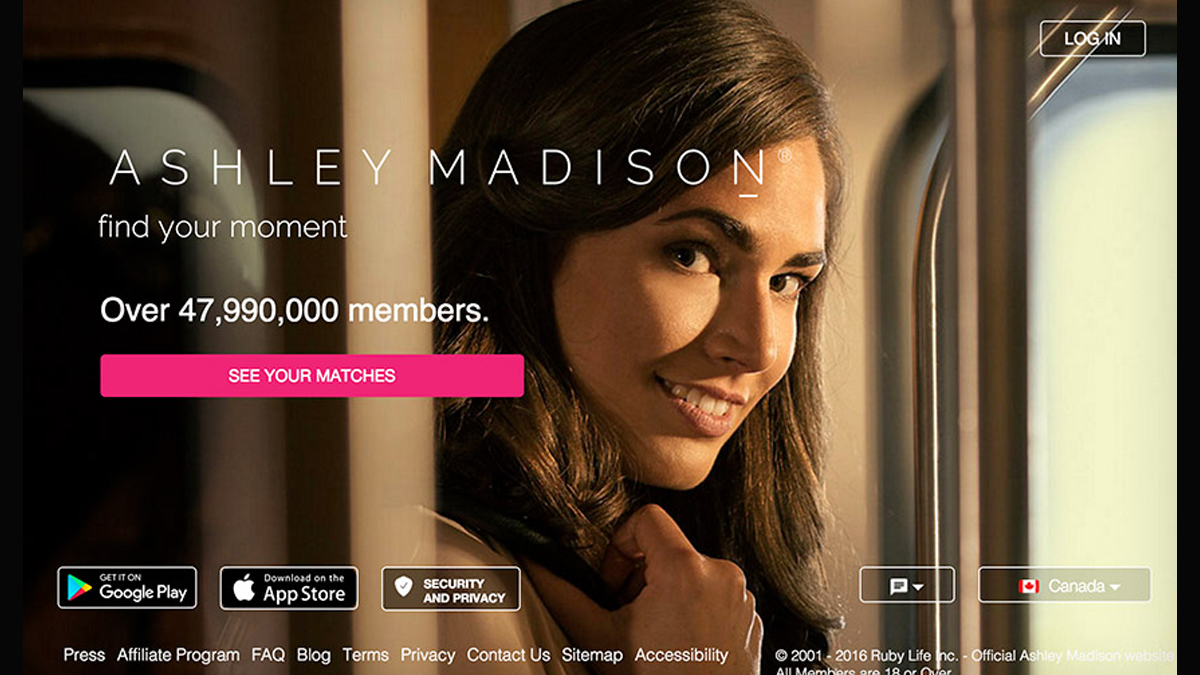
INDIA: Ashley Madison is shedding the “married-dating” label that defined it for two decades, repositioning itself as a platform for discreet dating in what it calls the post-social media age.
The rebrand, unveiled in India on 27 February, 2026, marks a structural shift in business model and identity. Once synonymous with married dating, the company now describes itself as the “premier destination for discreet dating” under a new tagline: Where Desire Meets Discretion.
The pivot is data-driven. Internal figures show that 57 per cent of global sign-ups between 1 January and 31 December, 2025 identified as single: a notable departure from the platform’s married core. The company argues that its community has already evolved beyond its original positioning.
“In an age where our lives have been constantly put on public display, privacy has become the new luxury,” said Ashley Madison chief strategy officer Paul Keable. He framed the platform’s offering as “ethical discretion” for singles, separated, divorced and non-monogamous users seeking private connections.
The shift also taps into wider digital fatigue. A global survey conducted by YouGov for Ashley Madison, covering 13,071 adults across Australia, Brazil, Canada, Germany, India, Italy, Mexico, Spain, Switzerland, the UK and the US, found mounting discomfort with hyper-public online lives.
Among dating app users, 30 per cent cited constant swiping and messaging as a source of fatigue, while 24 per cent pointed to pressure to curate public-facing profiles and early personal disclosure. Some 27 per cent said fears of screenshots or information being shared contributed to exhaustion; an equal share cited unwanted attention.
The retreat from oversharing appears broader. According to the survey, 46 per cent of adults actively try to keep most aspects of their life private online. Only 8 per cent feel comfortable sharing most aspects publicly, while 35 per cent say they are becoming more selective about what they disclose.
Ashley Madison is betting that this cultural recalibration towards controlled visibility can be monetised. By doubling down on privacy infrastructure and reframing itself around discretion rather than infidelity, the company is attempting to convert reputational baggage into a premium proposition.







