News Broadcasting
Keshet International replaces outgoing CEO Alon Shtruzman with Keren Shahar

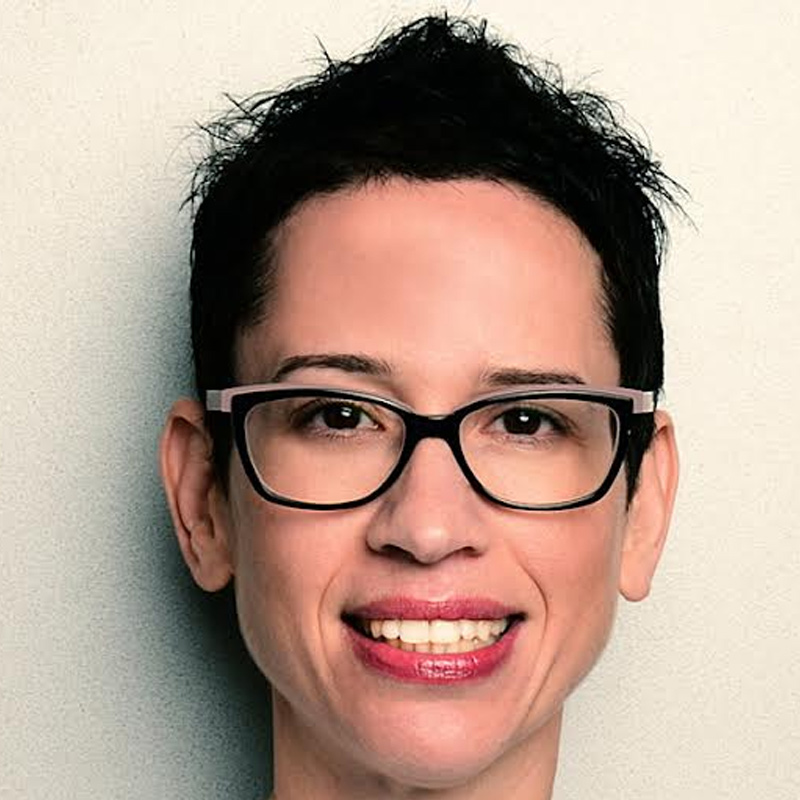
Mumbai: With over 20 years of experience in the international entertainment industry, 18 of which have been spent working at Keshet. Keren Shahar has been confirmed as the CEO of Israeli media company Keshet International (KI). Shahar will commence her new role on 1 January 2023, replacing Alon Shtruzman, who leaves as the global content producer and distributor at the end of this year, having led the company for a decade.
Widely regarded as one of the leading pioneers of the Israeli format sales market and named one of the 25 most powerful women in global television by The Hollywood Reporter, Shahar first joined Keshet Media Group in 2004. She was named Keshet’s formats manager in 2006, where she oversaw global market sales. Two years later, in 2008, she took on responsibility for Keshet broadcasting’s acquisitions department, licencing formats such as The Money Drop, Make Me A Baby, and MasterChef—which has just finished its 10th successful season on Keshet 12—for adaptation locally in Israel.
After stepping up to take on the role of COO, Shahar was announced to lead the KI’s (established in 2012) sales team, becoming Shtruzman’s second in command. During her 10-year tenure, she was involved in overseeing business and operational aspects across the company’s activities.

Shahar has also been responsible for the distribution of many of Keshet’s scripted formats, such as Prisoners of War, which became Showtime’s multi-Emmy-winning Homeland, as well as False Flag and When Heroes Fly, which have recently been adapted as Suspicion and Echo 3 for Apple TV+ by Keshet UK and Keshet Studios, respectively.
As KI’s CEO, Shahar will handle the company’s network of production and distribution hubs: KI in Tel Aviv, Keshet UK, Tresor and Keshet Tresor Fiction in Germany, Keshet Studios in the US, and a majority stake in Greenbird Media. She will be tasked with expanding KI’s international production output further while also boosting its curated catalogue of international dramas, factual entertainment shows, and formats with a view to also building the distribution side of KI’s business. As an influential player in the international content market, KI has seen a long list of its series and formats picked up by television networks such as HBO, NBC, and the BBC, as well as streaming platforms including Netflix, Apple TV, Disney+, and Amazon Prime, during its first decade in operation.
Speaking on the appointment, Shahar said, “Having the privilege of leading a company like Keshet International is far beyond what I could have imagined when I first started at Keshet 18 years ago. I just wanted to be around the people who “made television.” I’d like to thank Shtruzman for his mentorship and friendship and for showing me what infinite optimism can achieve. Thank you also to the Keshet board and to Nir in particular, for all his support and multiple votes of confidence over the years. Last but not least, I want to thank the extremely talented group of people who “make television” at KI. I am looking forward to our next chapter together and seeing what we can achieve in our second decade!”
“In just a few weeks from now, Apple TV will launch Echo 3, Keshet Studios’ US adaptation of Keshet’s When Heroes Fly, which is truly one of this year’s most ambitious television productions. Flashback to 2012 and Keshet International’s inception: standing centre frame is Keren Shahar, determined to bring Israeli TV to a world that didn’t know what it was and didn’t know it needed it. Returning to 2022 as we celebrate its 10th birthday, Keshet International is now an internationally recognised name—a global-scale content, production, and distribution company with a history of challenges, successes, and achievements—all with Keren as its deputy CEO. I’m happy to announce the promotion of Keren to Keshet International’s CEO. Keren will lead the international activity from the Tel Aviv office starting in January next year. Flash forward to the next decade, and I predict that, thanks to her experience, competence, and many skills, Keren has taken Keshet International and Israeli TV, along with the rest of the management team at KI and Keshet, to new horizons. Good luck from all of us at Keshet, Keren!”, added Keshet Media Group CEO Avi Nir.





News Broadcasting
News18 India launches Command Centre war explainer with Arya
New show shifts from debates to decoding global conflicts and impacts

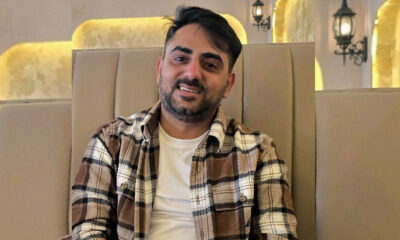
MUMBAI: News18 India has rolled out a new war-focused programme, Command Centre, featuring Gaurav Arya, as it looks to offer viewers a sharper, more grounded take on global conflicts amid rising tensions in West Asia.
Positioned as an “insider war room”, the show moves away from conventional panel debates and instead focuses on explaining military developments, decoding strategy and connecting global events to their everyday impact, from fuel prices to economic shifts.
The format leans heavily on visuals and data. The studio has been designed like a command hub, complete with large LED war maps, real-time graphics and an alert system to track developments as they unfold.
At the centre of it all is Arya, who brings his military background to simplify complex war strategies for viewers. His signature line, “Seedhi baat samjhiye”, anchors the show’s promise of clarity over noise.
News18 India managing editor Jyoti Kamal said, “Command Centre, featuring Major Gaurav Arya is designed to deliver accurate insights and a clear perspective on how evolving conflicts impact everyday life, from household budgets to national security. With expert voices analysing every development in real time, the show goes beyond headlines to decode what’s happening now, what it means, and what could come next.”
Echoing the intent, Gaurav Arya added, “In times of war, confusion is the biggest threat. With News18 India’s Command Centre, we are bringing viewers inside the war room, decoding strategies, tracking every escalation, and explaining, in the simplest terms, what it means for India and for every household. Seedhi baat samjhiye, this is where you understand not just what is happening, but what happens next.”
The weekday show will air in the afternoon slot and will also feature Gaurav Shukla, adding to its editorial depth.
With its mix of analysis, visuals and a clear focus on impact, the show reflects a broader shift in news consumption. Viewers are no longer just watching events unfold, they are looking to understand what those events mean for them.







