Gaming
Junglee Games hands the reins to Kapil Rathee


DELHI: Junglee Games is betting on an insider to lead its next chapter. The online gaming firm has elevated co-founder Kapil Rathee to chief executive officer, promoted Abhishek Bharti from senior vice-president of technology to chief technology officer, and moved Bharat Bhatia from chief marketing officer to chief business officer. The shake-up is part of Flutter Entertainment’s broader Asia Pacific strategy and marks the end of a carefully orchestrated succession.
Rathee joined Junglee in May 2015 and has spent nearly 11 years climbing through the ranks, holding roles including vice-president of product, chief product officer and president before becoming co-founder in 2023. Now, as chief executive, he will focus on product innovation and expansion whilst keeping Junglee aligned with Flutter’s long-term regional priorities.
Barni Evans, chief executive of Flutter APAC, praised Rathee’s decade-long contribution. “Kapil has been a central driver of Junglee’s growth for more than a decade and his planned appointment as CEO is a natural progression of the leadership he has consistently demonstrated,” Evans said. He also thanked outgoing leader Ankush Gera for building a strong foundation and culture at the company.

Gera will stay on as a key adviser to the board, supporting strategic initiatives. “It has been a phenomenal journey building Junglee, and I am so proud of everything we have achieved as a team,” Gera said. “I am confident that under Kapil’s stewardship alongside Bharat, Abhishek and the rest of Junglee’s exco, the business will enter its strongest phase yet.”
Rathee said he was honoured to take the helm at such a pivotal moment. “Over the last decade, we have built a company rooted in innovation, integrity, and exceptional player experiences,” he said. His focus will be on expanding into new products and markets, enhancing product leadership and driving sustainable long-term growth in line with Flutter’s Asia Pacific strategy.
Junglee Games now boasts a community of 150 million registered users. Following recent regulatory updates, the company has pivoted to free-to-play social games and is expanding its product and technology footprint into new markets. With nearly 15 years of innovation behind it, the firm has consistently emphasised fair play, compliance and responsible gaming, underpinned by behavioural science and AI-driven safety systems.
The leadership transition positions Junglee to accelerate its strategic expansion as part of Flutter’s vision for the region. The company will continue strengthening its product capabilities, deepening its market presence and exploring new opportunities whilst staying committed to responsible, compliant, player-first experiences. With fresh blood at the top and a battle-tested team behind him, Rathee inherits a business primed for its next act.




Gaming
Konami concludes successful eFootball India campaign
Campaign featuring Rinku Singh, Varun Chakravarthy and other stars boosts engagement ahead of FIFA World Cup 2026.
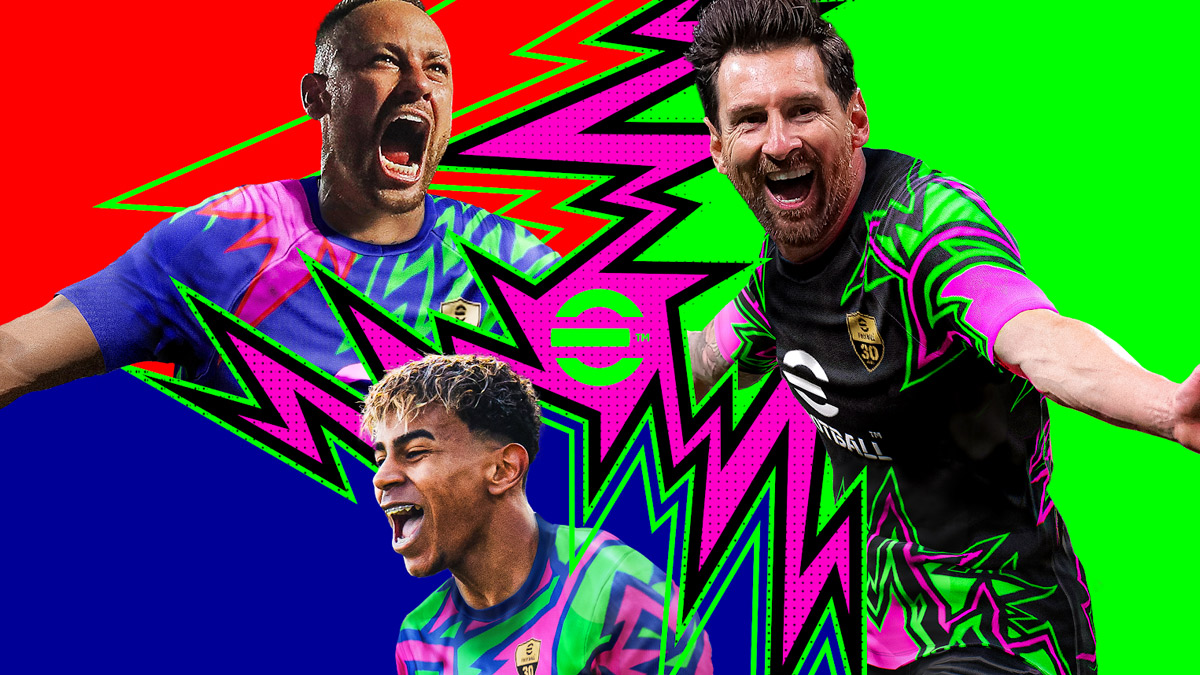
MUMBAI: When cricket meets football in the virtual world, even the biggest fans can’t help but score and Konami’s latest eFootball campaign in India has clearly hit the back of the net. Konami Digital Entertainment has successfully wrapped up its India campaign for eFootball, which brought together cricketers Rinku Singh and Varun Chakravarthy, actors Naslen Gafoor and Chandu Salim Kumar, and footballers Sahal Abdul Samad and Shubhasish Bose. The multi-star campaign generated strong excitement across gaming, football, and creator communities through social content, fan participation, and in-game engagement.
Building on the initial launch that featured a limited-time Lionel Messi card, the campaign united fan communities, lifestyle creators, football creators, and competitive eFootball influencers. It significantly expanded the game’s visibility and deepened engagement with fans across the country.
The campaign also saw thousands of entries submitted as part of its social media engagement challenge, reflecting high levels of community enthusiasm and active creator involvement.
Looking ahead, Konami plans to build on this momentum with more eFootball experiences for Indian fans as the FIFA World Cup 2026 approaches. With global attention on the tournament set to rise, India will remain a key market for deepening community engagement and bringing fans closer to the action.
In a country that lives and breathes sport, Konami has shown that mixing real-world stars with virtual thrills is a winning formula leaving fans eagerly waiting for the next goal.






