Hindi
Judwaa 2 hopes to entertain


*Judwaa 2 came after a long gap that was filled by mediocre and non-entertaining films. There were no films in the last few months which could draw out the families from home to watch a film.
Two weeks before Diwali was not the right time to release a film but, to counter that, there was also a long holiday weekend with Dussehra on Saturday and Gandhi Jayanti holiday on Monday.
The film rode on the brand equity of the 1997 original, Judwaa, starring Salman Khan in dual role. Salman even helped promote Judwaa 2 through its promos. The film took a decent opening last Friday with Rs 155 million as Saturday improved by bounds as expected, and so did Sunday as the film put together Rs 579 million for its opening weekend.

Gandhi Jayanti holiday may have have proved to be a major boost to the film’s collections.
*Sanjay Dutt’s comeback film, Bhoomi, has flopped. The film could add little to its opening weekend, and had just made about Rs 95 million for its first week.
*Haseena Parkar proved to be another disaster. One wonders at the choice of such subjects to make films! Films and Rani Laxmi don’t work but someone somewhere thought a film on Haseena Parker will work? The film managed to collect Rs 63 million in its first week.
*Newton proved to be surprise packet as its choice as the Indian entry for the Foreign Language Oscar coincided with its Friday release. Two other films to release on the same Friday, Bhoomi and Haseena Parker, being way below par, Newton got a boost as the people’s first choice. The film, which was poor on day one, picked up to end its first week with collections of Rs 112 million.
*Lucknow Central managed to add just about Rs 75 lakh in its week two to take its two week total to Rs 110 million.
*Simran added Rs 13 million in its week two to take its two week total to Rs 158 million.







Hindi
MIFF 2026 to return to Mumbai; film entries open till April 12
19th edition to host WAVES Doc Bazaar, spotlighting global documentary talent
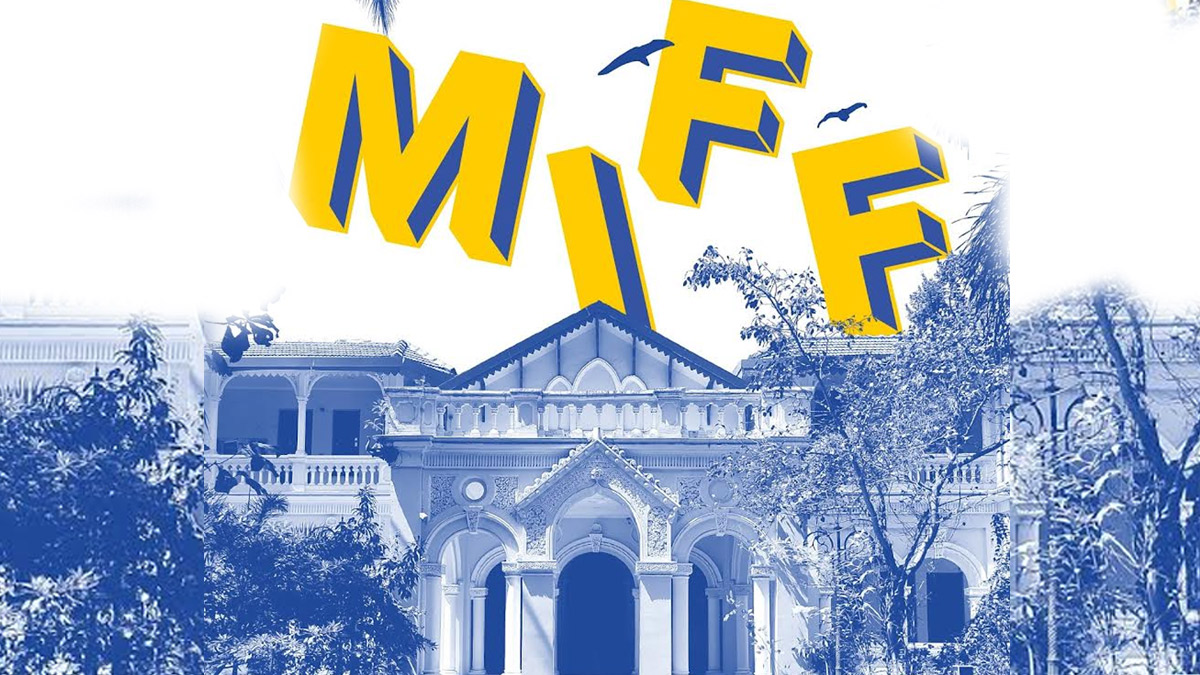
MUMBAI: The 19th edition of the Mumbai International Film Festival 2026 is set to take place from June 15 to 21 at the NFDC Complex, with film submissions currently open and the deadline fast approaching on April 12.
Organised by the National Film Development Corporation under the Ministry of Information and Broadcasting, the biennial festival remains one of South Asia’s most prominent platforms for documentary, short fiction and animation films.
Filmmakers, producers and content creators from across the globe have been invited to submit entries via the Film Freeway platform for the Competition Section. Offline submissions will not be accepted, reinforcing a fully digital entry process.
MIFF 2026 continues to sweeten the deal with a robust awards pool of Rs 55 lakh. The coveted Golden Conch for Best Documentary carries a top prize of Rs 10 lakh, alongside multiple awards across categories, making it one of the most lucrative non-feature film festivals in the region.
A key highlight this year will be the second edition of the WAVES Doc Bazaar, scheduled from June 16 to 18 alongside the festival. Designed as a hub for collaboration, the Doc Bazaar will feature a co-production market, viewing rooms and a work-in-progress lab, bringing together global buyers, sellers and creators under one roof.
Since its inception in 1990, MIFF has built a reputation as a serious showcase for non-feature cinema, drawing participation from filmmakers worldwide. The previous edition saw over 350 films from more than 30 countries, underlining its growing international footprint.
With submissions closing soon and preparations underway, MIFF 2026 is shaping up to be a vibrant meeting point for storytelling, collaboration and cinematic craft, offering filmmakers both a stage and a springboard.







