International
John Calley expires

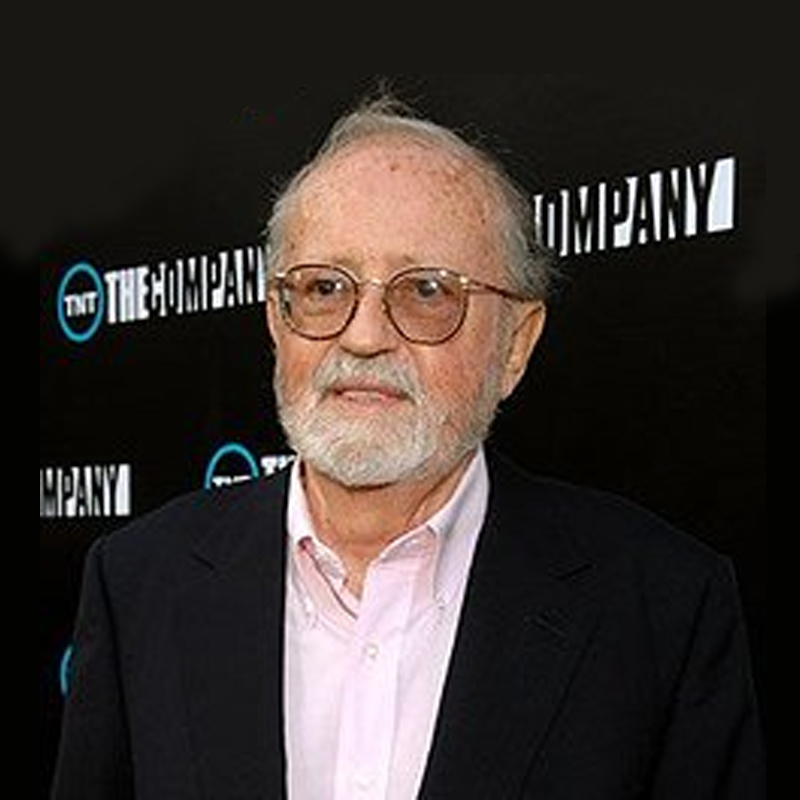
MUMBAI: Producer of The Da Vinci Code John Calley died on Tuesday. He was 81. His death was announced by Sony Pictures Entertainment.
Calley – three-time studio chief, confidant of Stanley Kubrick rose to Hollywood‘s highest ranks by making gut-level bets on directors and writers and by gently and quietly steering them.
Stints at leading studios like Warner Brothers, United Artists and Sony gave Calley his A-list status in Hollywood‘s executive ranks, but it was his approach to those jobs that made him stand out.

Like any studio boss, he had his share of failures and purely commercial hits. While The Towering Inferno was a hit, he also directed films like Clockwork Orange (1971), The Exorcist (1973), Chariots of Fire (1981) and As Good as It Gets.
“When he believed in someone, he trusted and supported him,” Mike Nichols, who collaborated with Calley in films like Catch-22 to Closer, said in a statement.
John Calley was born on 8 July, 1930, in Jersey City, the son of a car salesman, and, after serving in the Army, worked at 21 as a mail clerk for NBC in New York. After climbing a few rungs on the network‘s ladder, he left to join an advertising firm before giving film producing a try at Filmways, a production company mostly known for TV comedies like The Beverly Hillbillies.
In 1996, Calley took the reins of Sony‘s movie operation and delivered hits like Jerry Maguire with Tom Cruise, but his biggest contribution to the studio involved restoring stability: Columbia, Sony‘s major arm, had four presidents come and go from 1991 to 1996.
He stepped down in 2003 but kept producing films for Sony that included The Da Vinci Code.
Calley‘s survivors include his daughter, Sabrina Calley, and three stepchildren, Emily Zinnemann, David Zinnemann and Will Firth, from his marriage to the actress Meg Tilly that ended in 2002.






International
Russia-India cinematic spectacle Persimmon of My Love set for grand Moscow debut
Hindi cinema style musical revives Indo-Soviet cinema ties for today

MUMBAI: A new chapter in cross-border storytelling is set to unfold as Persimmon of My Love gears up for its premiere in Moscow on 1 April 2026, marking the first large-scale cinematic collaboration between Russia and India in decades.
Positioned as a modern nod to the cultural exchange that once brought Indian classics to Soviet audiences, the film blends Hindi cinema flair with Russian storytelling, aiming to rekindle a long-standing cinematic friendship.
Directed by Marius Weisberg, the musical comedy follows two brothers navigating a lively world of music, family and romance. The lead roles are played by Demis Karibidis and Mikhail Galustyan, with Karibidis also contributing as a screenwriter.
Shot entirely in India, the production leans heavily into Hindi cinema style spectacle. Filming took place across Mumbai studios and the cities of Udaipur and Jodhpur, whose architecture was used to create the fictional setting of Khurmada. A crew of over 350 worked on the project, with large-scale sequences featuring up to 1,000 extras.
The film also brings Indian creative talent into the mix. Dance sequences are choreographed by Jay Kumar, while music by Zurab Matua features songs in both Hindi and Russian, adding to its cross-cultural appeal.
Backed by TNT channel, MyWayStudio and the Russian Cinema Fund, the project reflects a broader push to strengthen cultural ties between the two countries.
With its mix of colour, comedy and cross-border collaboration, Persimmon of My Love is not just a film release but a reminder that cinema, much like music, travels well across borders.






