iWorld
Jio PAT at Rs 891 cr; FTTH beta trails encouraging

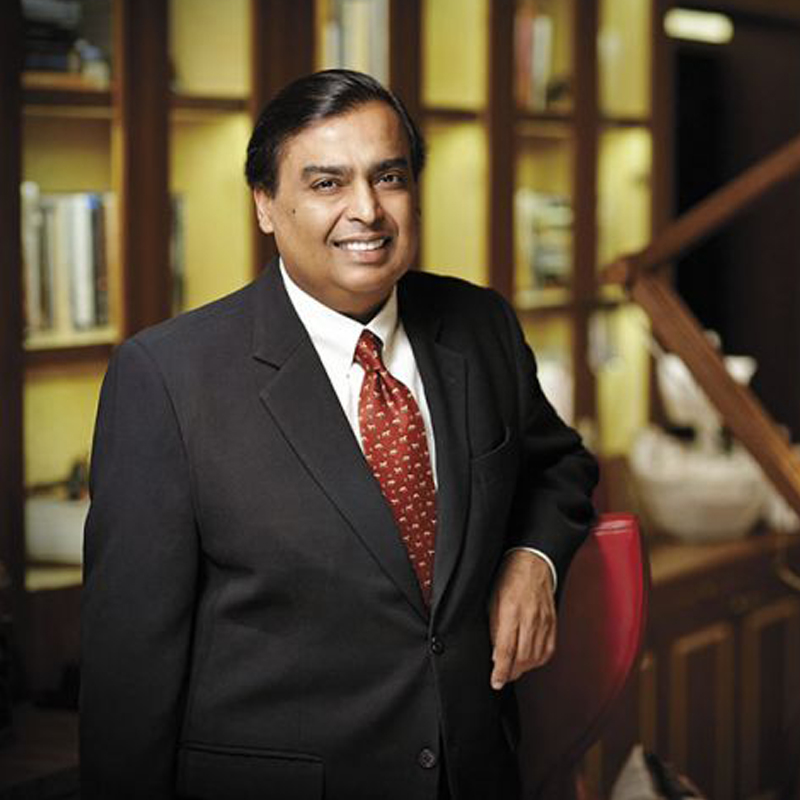
BENGALURU: Mukesh Dhirubhai Ambani’s largest startup company in the world – Reliance Jio Infocomm Limited (Jio) reported 6.1 percent growth in standalone profit after taxes (PAT) at Rs 891 crore for the quarter ended 30 June 2019 (Q1 2020, quarter or period under review) as compared to the Rs 840 crore in the immediate trailing quarter (q-o-q) or Q4 2019. Standalone EBITDA for the period under review increased 8.2 percent q-o-q to Rs 4,686 crore (40.1 percent margin) as compared to Rs 4,329 crore (39 percent margin).
The result of the quarter ended 30 June 2019 are not comparable with the corresponding figures for the previous period to the extent of the demerger of the Optic Fibre Cable Undertaking and transfer of Tower Infrastructure Undertaking of the Company pursuant to Composite Scheme of Arrangement with appointed date as 31 March 2019. The company says that the numbers for the year ago quarter are not comparable with the quarter under review and have been regrouped wherever necessary. Hence this report looks at the q-o-q comparison.
Jio says in an earnings release that ongoing beta trials of JioGigaFiber services is in its final stages, and early signs have been very encouraging.

FTTH Enterprise services are also being rolled out gradually reveals the company further.
Reliance Industries Limited Ambani, chairman and managing director,
said: “Growth in Jio mobility services has continued to surpass all expectations. In less than two years of commercial operations, Jio network carried almost 11 Exabytes of data traffic during the recently concluded fiscal quarter. Jio management is focused on giving unmatched digital experience at most affordable price to every citizen of the country, and accordingly expanding the network capacity and coverage to keep pace with demand. Jio has started connecting Enterprises with its next-gen connectivity solutions on the back of its extensive fiber network across the country. Beta trials of JioGigaFiber services have been very successful and the entire bouquet of smart home solutions would soon be rolled out to targeted 50 million households and beyond. Jio is committed to power the Digital Revolution in India through its technology platforms across communication, entertainment, commerce, financial services, education, healthcare, agriculture and beyond.”
Jio reported 5.2 percent q-o-q growth in standalone operating revenue at Rs 11,679 crore for Q1 2020 as compared to Rs 11,106 crore in Q4 2019. The company says that its subscriber base as on 30th June 2019 was 33.13 crore (331.3 million, 3,313 lakh). It claims lowest churn in the industry at 0.97 percent per month. Jio says that ARPU during the quarter was Rs 122.0 per subscriber per month. It says that total wireless data traffic during the quarter was1,090 crore GB and total voice traffic during the quarter was 78,597 crore minutes.
Let us look at the other numbers reported by Jio
Total expenses for Q1 2020 grew 5.2 percent q-o-q to Rs 10,326 crore from Rs 9,818 crore. Network operating expenses in Q1 2020 grew 12.6 percent q-o-q to Rs 3,824 crore from Rs 3,401 crore. Access charges (Net) declined 22.6 percent to Rs 851 crore in the period under review from Rs 1,099 crore. License Fees/Spectrum charges increased 9.1 percent q-o-q to Rs 1,287 crore from Rs 1,180 crore. Employee benefits expense for the period declined 14.4 percent q-o-q to Rs 392 crore from Rs 458 crore. Net Finance charges for Q1 2020 increased 28.3 percent q-o-q to Rs 1,660 crore from Rs 1,294 crore. Selling and distribution expenses for the quarter increased 4.9 percent q-o-q to Rs 345 crore from Rs 329 crore. Other expenses declined 1 percent q-o-q to Rs 310 crore from Rs 313 crore.






iWorld
Samay Raina returns with Still Alive, confronts 2025 controversy in bold comeback special
Comeback set tackles controversy, blending humour with raw storytelling
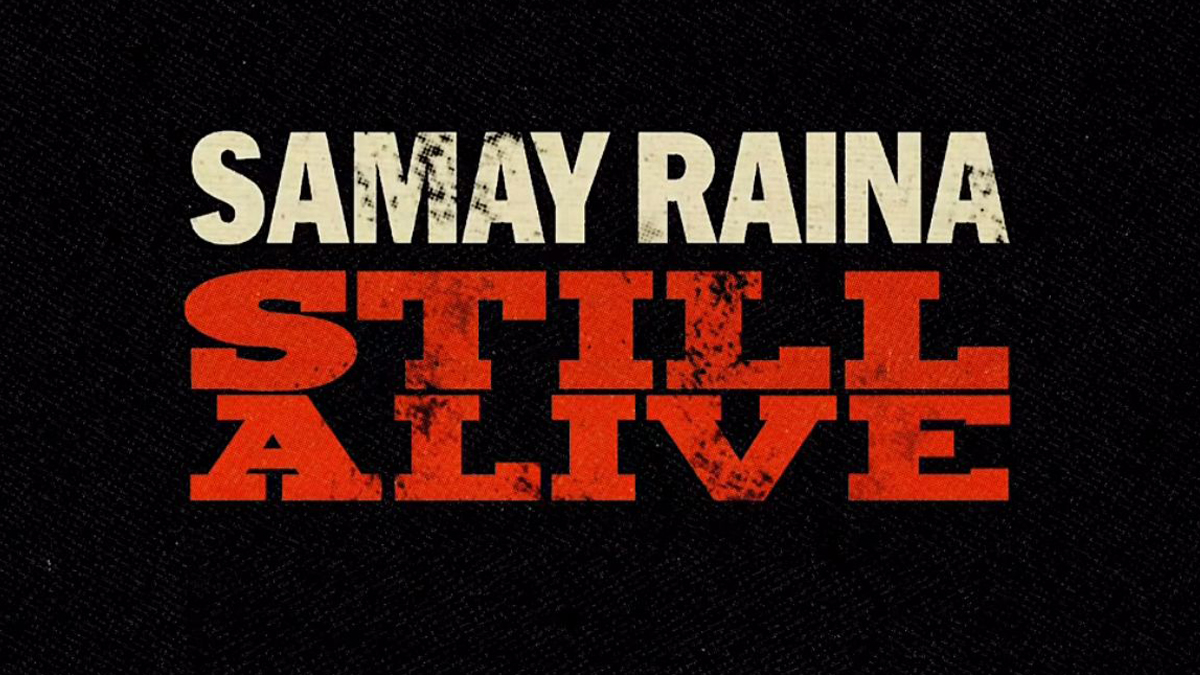
MUMBAI: Samay Raina is set to release his new stand-up comedy special, Still Alive, on YouTube on April 7, 2026, marking a high-profile return following a turbulent year.
The trailer for the special dropped on April 5, offering a glimpse into what Raina describes as a raw and unfiltered set that leans as much on honesty as it does on humour.
Positioned as a comeback of sorts, Still Alive draws heavily from the controversy surrounding his show India’s Got Latent in early 2025. The episode led to legal trouble, multiple FIRs, and a lengthy six-hour interrogation by the Maharashtra Cyber Cell, placing the comedian at the centre of intense public scrutiny.
Rather than sidestep the episode, Raina leans into it. The special reflects on the fallout and his personal journey through it, blending observational comedy with moments of emotional candour. Early audience feedback from live performances suggests the tone is less about rapid-fire punchlines and more about storytelling with bite.
The special was filmed during his global Still Alive & Unfiltered tour, which ran from August 2025 to early 2026. The tour saw Raina perform across major international venues, including the Madison Square Garden Theatre in New York, a milestone that places him among the youngest Indian comedians to take that stage.
The title itself signals resilience. “Still Alive” is a nod to navigating both legal and public backlash while choosing to remain unapologetically authentic, a theme that appears to anchor the set.
With the special set to premiere online, all eyes are now on how audiences respond to a performance that promises equal parts reflection and wit. For Raina, the message is clear. He is not just back, he is ready to be heard on his own terms.






