Gaming
JetSynthesys recruits Surender Thakur as revenue head

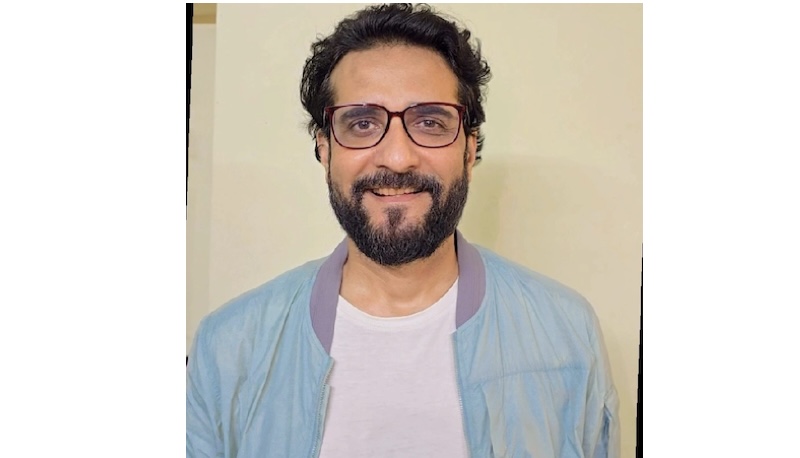
MUMBAI: JetSynthesys, the Mumbai-based gaming and digital entertainment outfit, has snared Surender Thakur as its new revenue head. The appointment sees the former national sales head of Viacom18’s live entertainment arm jump ship to the next-generation tech company.
Thakur brings nearly two decades of media muscle to JetSynthesys, which crafts immersive experiences across gaming, esports, music and youth culture. At Viacom18, he spearheaded sales strategy for large-format properties including Vh1 Supersonic and bespoke brand integrations, leading sales teams nationwide.
His media pedigree runs deep: three years at HT Media’s Fever FM and Radio One, where he headed business operations and drove profitability. Before that, an eight-year stint at Radio One saw him climb from retail sales head to station chief. He cut his teeth at Radio City and Mid Day, handling everything from classified ads to consumer durables at the English daily’s Rs 100-crore operation.

The hire signals JetSynthesys’s intent to monetise India’s booming gaming and esports scene more aggressively. With digital entertainment revenues surging post-pandemic, the company appears keen to leverage his live events expertise to bridge traditional media and gaming cultures.
For Thakur, it’s a chance to apply his sponsorship and IP curation skills to India’s most dynamic entertainment sector. The move also reflects the blurring lines between conventional media and gaming, as brands chase younger audiences across platforms.
JetSynthesys now has a seasoned revenue warrior to navigate this brave new world of digital entertainment







Gaming
Konami concludes successful eFootball India campaign
Campaign featuring Rinku Singh, Varun Chakravarthy and other stars boosts engagement ahead of FIFA World Cup 2026.
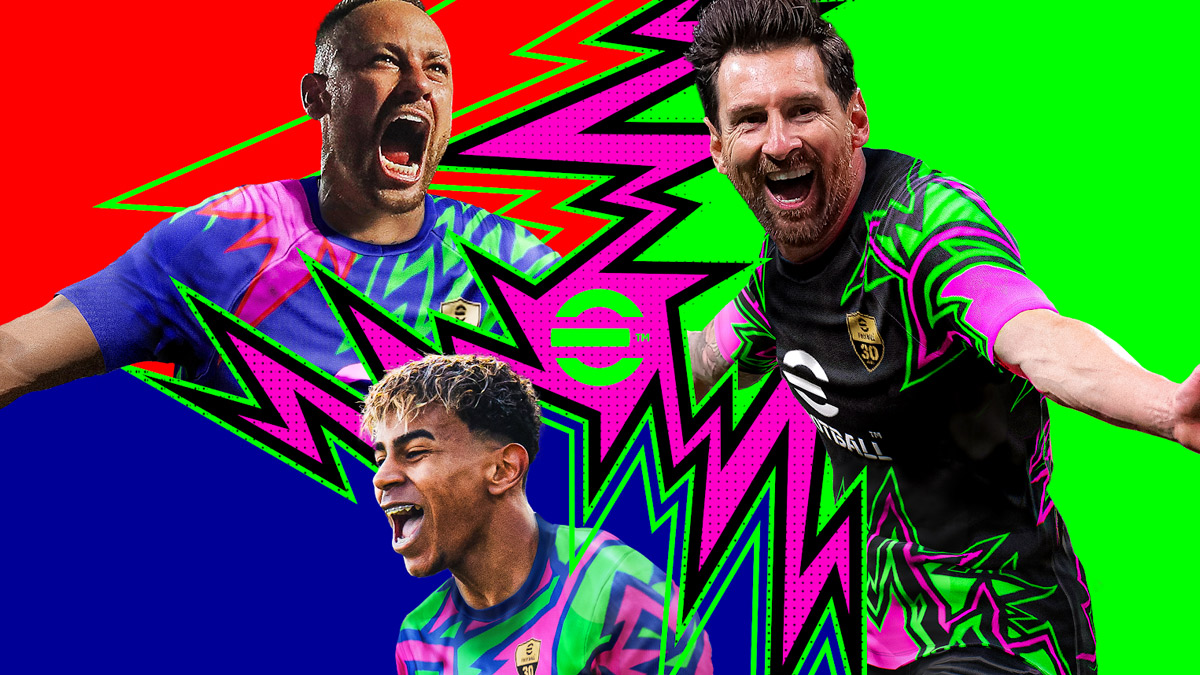
MUMBAI: When cricket meets football in the virtual world, even the biggest fans can’t help but score and Konami’s latest eFootball campaign in India has clearly hit the back of the net. Konami Digital Entertainment has successfully wrapped up its India campaign for eFootball, which brought together cricketers Rinku Singh and Varun Chakravarthy, actors Naslen Gafoor and Chandu Salim Kumar, and footballers Sahal Abdul Samad and Shubhasish Bose. The multi-star campaign generated strong excitement across gaming, football, and creator communities through social content, fan participation, and in-game engagement.
Building on the initial launch that featured a limited-time Lionel Messi card, the campaign united fan communities, lifestyle creators, football creators, and competitive eFootball influencers. It significantly expanded the game’s visibility and deepened engagement with fans across the country.
The campaign also saw thousands of entries submitted as part of its social media engagement challenge, reflecting high levels of community enthusiasm and active creator involvement.
Looking ahead, Konami plans to build on this momentum with more eFootball experiences for Indian fans as the FIFA World Cup 2026 approaches. With global attention on the tournament set to rise, India will remain a key market for deepening community engagement and bringing fans closer to the action.
In a country that lives and breathes sport, Konami has shown that mixing real-world stars with virtual thrills is a winning formula leaving fans eagerly waiting for the next goal.






