Gaming
Jetsynthesys & Animeta partner for e-sports mega-event – GEPL


Mumbai: JetSynthesys’ first edition of the Global e-Cricket Premier League (GEPL), world’s largest team-based cricket e-sports and entertainment league, unfolded on Real Cricket 24 (RC 24), the leading mobile cricket simulation game (co-owned by the same company). To market this exciting property whose primary audience is Gen Z, Jet Synthesys partnered with Animeta, an innovative AI-powered creator tech company, to bring onboard creators and artists.
The main task at hand, to start with, was to create awareness and acceptance for the concept of e-Cricket, and then use that buzz to drive tune-ins to Jio Cinema, the exclusive streaming partner for GEPL. Given the huge popularity that cricket as a sport already has, the idea was also to diversify the audience profile beyond regular gaming and e-sports enthusiasts (120 M+ active users), and take it to viewers of cricket content on mobile (260 M+), with a significant proportion of GenZ audience.
JetSynthesys (the force behind GEPL) founder & CEO Rajan Navani shared his perspective, “Cricket came to us from the West but today, I’m proud to say that our Made-in-India Real Cricket™ and GEPL have set the stage for India exporting cricket esports to the world. Animeta helped us onboard the right influencers and employ the correct influencer strategy to maximize the impact of these creators.”

Commenting on the collaboration, GEPL CEO Rohit Potphode said, “GEPL stands as the largest eCricket league globally. In order to appropriately match its immense scale, we collaborated with Animeta- Brandstar, a specialized influencer marketing platform. This partnership allowed us to enlist renowned influencers spanning cricket, gaming, and entertainment domains, ensuring a broad reach across diverse audience demographics.”
The collaboration kicked off with the onboarding of 8 established mobile gamers, who were called the ‘Game Galvanizers’. Each was assigned a team to cheer for, as they seeded awareness about RC 24 and GEPL, driving excitement across their communities. The famous comedic creator-duo Funcho (Shyam and Dhruv) were onboarded as the ‘Series Galvanizers’, leveraging the star-power of these Gen-Z focused, culture moving, and cricket loving creators to attract a diverse young audience set to check out GEPL.
Animeta CEO Devdatta Potnis said “When you are trying to tap into a Gen Z audience, influencer marketing becomes an extremely important avenue, as social media is where this audience frequents daily. The approach was to tap into some key aspects across the whole spectrum of content habits that this audience has.”
To enhance the entertainment experience, Animeta brought on board four prominent rappers—ACE, Nasty Ninja, Yedha Anna, and 99 Side-to create the anthem ‘Find Your Glory’ for GEPL Season 1. Eight dynamic female influencers showcased the game’s broad appeal across genders, further diversifying GEPL’s target audience cohorts.
Animeta Sr VP of branded content and creator projects Biswamitra Ray stated “Selection of credible and relevant voices and high-relatability in the content is key to a campaign’s success. Whether it was for the social media posts made by the creators or the song composed specially for GEPL – we looked deeply into universal insights about the audience, whose attention we were trying to grab.”
The event featured a performance by the renowned EPR aka Santhanam Srinivasan Iyer, a rock and hip-hop rapper, and brought various creators and gamers on stage. Popular gaming creator Shreeman Legend hosted a fan meet attended by approximately 1000 fans, delighting the audience and creating lasting memories.





Gaming
Konami concludes successful eFootball India campaign
Campaign featuring Rinku Singh, Varun Chakravarthy and other stars boosts engagement ahead of FIFA World Cup 2026.
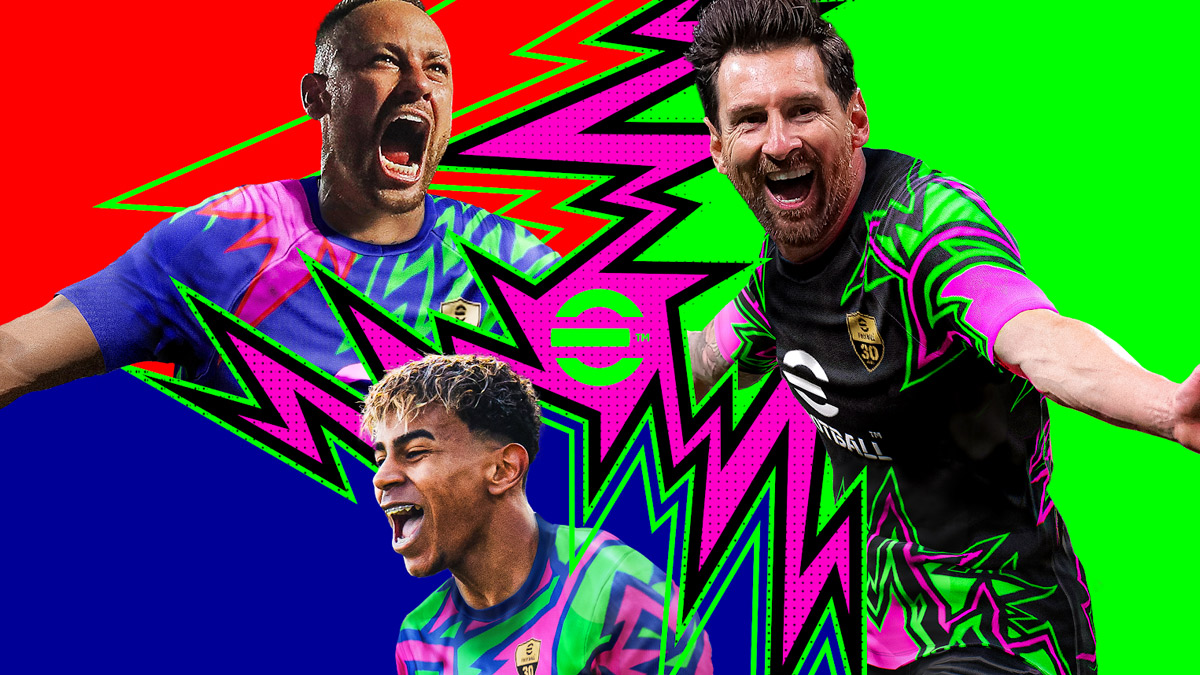
MUMBAI: When cricket meets football in the virtual world, even the biggest fans can’t help but score and Konami’s latest eFootball campaign in India has clearly hit the back of the net. Konami Digital Entertainment has successfully wrapped up its India campaign for eFootball, which brought together cricketers Rinku Singh and Varun Chakravarthy, actors Naslen Gafoor and Chandu Salim Kumar, and footballers Sahal Abdul Samad and Shubhasish Bose. The multi-star campaign generated strong excitement across gaming, football, and creator communities through social content, fan participation, and in-game engagement.
Building on the initial launch that featured a limited-time Lionel Messi card, the campaign united fan communities, lifestyle creators, football creators, and competitive eFootball influencers. It significantly expanded the game’s visibility and deepened engagement with fans across the country.
The campaign also saw thousands of entries submitted as part of its social media engagement challenge, reflecting high levels of community enthusiasm and active creator involvement.
Looking ahead, Konami plans to build on this momentum with more eFootball experiences for Indian fans as the FIFA World Cup 2026 approaches. With global attention on the tournament set to rise, India will remain a key market for deepening community engagement and bringing fans closer to the action.
In a country that lives and breathes sport, Konami has shown that mixing real-world stars with virtual thrills is a winning formula leaving fans eagerly waiting for the next goal.






