News Broadcasting
iTV Network gives additional charge to Varun Kohli, strengthens senior management team


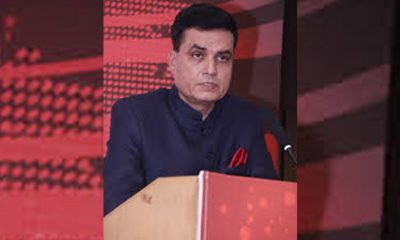
MUMBAI: iTV Network on Friday announced strengthening its senior management team with CEO Varun Kohli being handed additional responsibility for print companies.
Kohli is currently handling India News, NewsX, digital assets and is providing strategic direction, leading teams and strengthening revenues for the organisations. With a professional experience spanning over 25 years, he is a seasoned sales specialist and is credited with creating sustainable business development and management strategies that have increased top and bottom lines and enhanced efficiency in organisations.
In addition to his existing role, he will be handling The Sunday Guardian and Aaj Samaj, fastest growing and most selling daily newspaper in north India.

In this endeavor, he will be supported by Rakesh Gopal, National Sales Head – Regional Channels. Gopal is a seasoned media professional with rich experience in media sales. He is presently consolidating the company’s regional channels and now he will be supporting Mr. Kohli in the sales function of the print companies for the efficient growth of the network.
Speaking on the new roles and responsibilities, Kartikeya Sharma, Founder and Promoter of iTV Network, said, “We are excited to have Mr. Varun Kohli and Mr. Rakesh Gopal holding their additional responsibilities, each brings extensive and highly relevant industry experience to the table. We are looking forward to leveraging their knowledge and leadership in this expanded role.”
Kohli on his new role said “it is an opportunity than a challenge and I look forward to achieve growth oriented results. Our print assets, The Sunday Guardian and Aaj Samaj delivers credible, innovative and informative content for our readers.”
Prior to joining iTV network, Varun was the head of sales for IBN7. His distinguished career includes leadership stints at Amar Ujala, Bennett, Coleman & Company Ltd., Deccan Chronicle, Dainik Bhaskar, Hindustan times and Indian express.
Varun is a management graduate from SIMS, Ghaziabad and post graduate from YMCA besides being a certified coach from Results Coaching Systems.





News Broadcasting
CNN-News18 to host Fury in the Gulf conclave on West Asia crisis
Three-hour summit to unpack geopolitical fallout and impact on India
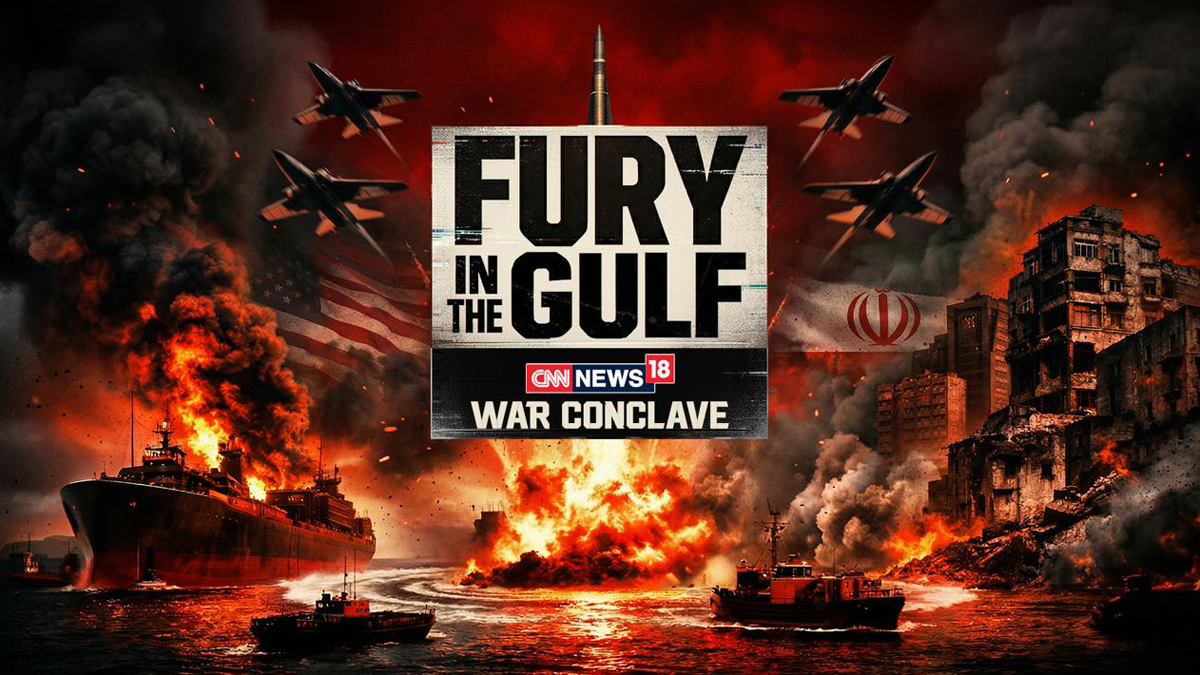
MUMBAI: CNN-News18 is set to host a special three-hour broadcast, Fury in the Gulf – War Conclave, on April 7, aiming to decode the escalating West Asia crisis and its far-reaching implications for India.
Scheduled from 4:00 PM to 7:00 PM, the conclave comes at a time when tensions between Iran and the United States are reshaping global geopolitics and triggering economic uncertainty. With India’s deep energy ties, trade links and large diaspora in the Gulf, the developments carry significant domestic relevance.
Built around the theme ‘Conflict, Consequences, and The Future,’ the programme will feature six curated sessions combining one-on-one interviews and panel discussions. The focus is to cut through the clutter and offer viewers a clearer understanding of the fast-evolving situation.
Key sessions include ‘Diplomacy in Times of War’ featuring Shashi Tharoor, and ‘World After the Iran Conflict’ with voices such as Ram Madhav, Reuven Azar, representatives from the European Union and the Iranian Deputy Envoy. Another session titled ‘Another Dunkirk?’ will bring together K. J. S. Dhillon and Jitin Prasada among others.
CNN-News18 editorial affairs director Rahul Shivshankar said, “In times of war, clarity becomes the most powerful tool. Fury in the Gulf – War Conclave brings together credible voices to address the questions and confusion that arise amid an overwhelming influx of information.”
He added that the initiative is aimed at delivering “facts, perspective, and insight” at a time when misinformation can easily cloud public understanding.
Echoing the sentiment, CNN-News18 CEO– English and business news Smriti Mehra said the conflict marks a defining global moment, with consequences that extend well beyond the region. She noted that the conclave seeks to present the crisis with “depth, nuance and responsibility” so audiences can better grasp its real-world impact.
As geopolitical tensions continue to dominate headlines, the conclave positions itself as an attempt to bring order to the noise, offering viewers a structured, insight-led look at a complex and rapidly shifting global situation.






