International
Iron Man 3 to be made in China

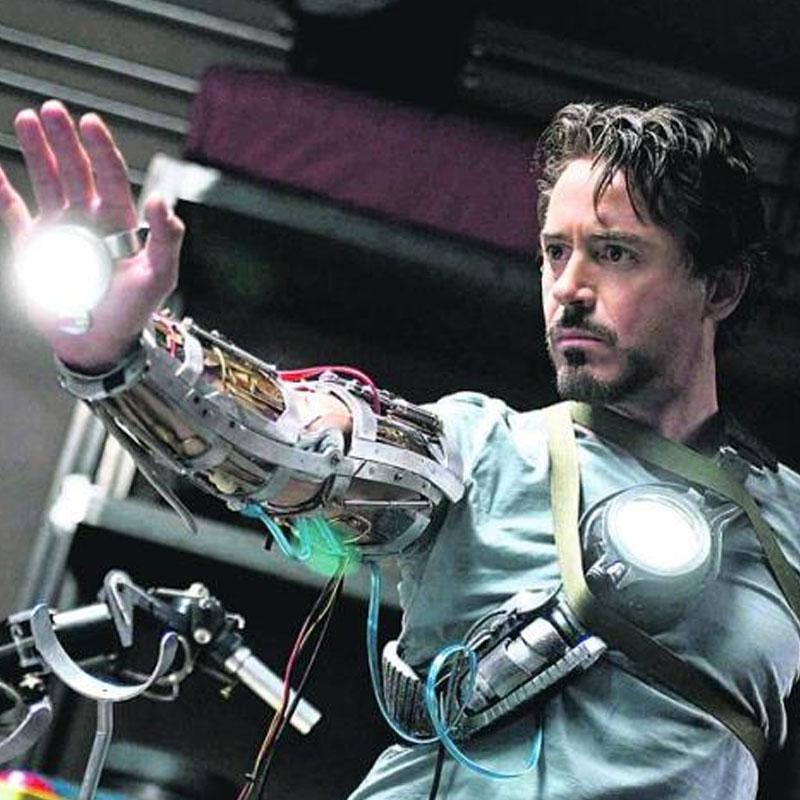
MUMBAI: The Walt Disney Company China, Marvel Studios and DMG Entertainment have decided to co-produce Iron Man 3 in China.
Under the arrangement, DMG Entertainment will make an investment in the production of the film, manage the Chinese co-production process and jointly produce the film in China.
“We look forward to working alongside DMG to bring Iron Man to the Chinese marketplace in a significant way. We are confident that Marvel’s stories will continue to be enjoyed by Chinese audiences, and adding a local flavour, and working with our new local partner, will enhance the appeal and relevance of our characters in China’s fast-growing film marketplace” said Marvel Studios general manager of operations and finance Rob Steffens.
The Chinese portion of Iron Man 3’s production will run through DMG Entertainment in coordination with Marvel Studios’ production and creative teams. It will also distribute the film in China in collaboration with the China unit of the Walt Disney Company China.
“The popularity of the Marvel franchise globally creates a huge opportunity to deliver fans yet another action packed film,” said, The Walt Disney Company, Greater China managing director Stanley Cheung. “The co-production of Iron Man 3 in China is testimony to the importance of this audience to Disney and the local industry capability to deliver a blockbuster title,” he added.
Iron Man 3, the third film in the billion-dollar plus franchise from Marvel, stars a returning cast including Robert Downey Jr., Gwyneth Paltrow and Don Cheadle.
Iron Man 3 is produced by Kevin Feige and executive produced by Alan Fine, Stan Lee, Louis D‘Esposito, Charles Newirth, Victoria Alonso, Stephen Broussard and Dan Mintz.
The film, releasing in the US on 3 May, is being distributed by Walt Disney Studios Motion Pictures in all territories worldwide other than in China and Germany/Austria.







International
Russia-India cinematic spectacle Persimmon of My Love set for grand Moscow debut
Hindi cinema style musical revives Indo-Soviet cinema ties for today

MUMBAI: A new chapter in cross-border storytelling is set to unfold as Persimmon of My Love gears up for its premiere in Moscow on 1 April 2026, marking the first large-scale cinematic collaboration between Russia and India in decades.
Positioned as a modern nod to the cultural exchange that once brought Indian classics to Soviet audiences, the film blends Hindi cinema flair with Russian storytelling, aiming to rekindle a long-standing cinematic friendship.
Directed by Marius Weisberg, the musical comedy follows two brothers navigating a lively world of music, family and romance. The lead roles are played by Demis Karibidis and Mikhail Galustyan, with Karibidis also contributing as a screenwriter.
Shot entirely in India, the production leans heavily into Hindi cinema style spectacle. Filming took place across Mumbai studios and the cities of Udaipur and Jodhpur, whose architecture was used to create the fictional setting of Khurmada. A crew of over 350 worked on the project, with large-scale sequences featuring up to 1,000 extras.
The film also brings Indian creative talent into the mix. Dance sequences are choreographed by Jay Kumar, while music by Zurab Matua features songs in both Hindi and Russian, adding to its cross-cultural appeal.
Backed by TNT channel, MyWayStudio and the Russian Cinema Fund, the project reflects a broader push to strengthen cultural ties between the two countries.
With its mix of colour, comedy and cross-border collaboration, Persimmon of My Love is not just a film release but a reminder that cinema, much like music, travels well across borders.






