International
Iron Man 3 creates 2000 jobs in N. Carolina, $179.8 million in spending

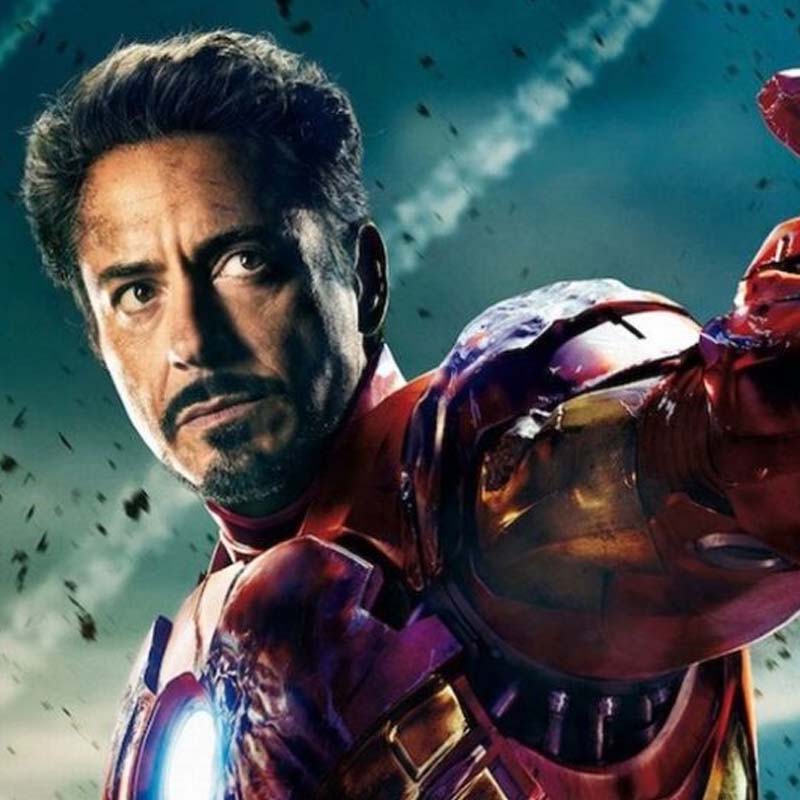
MUMBAI: A new analysis released on the economic impact of Marvel‘s Iron Man 3 filming in North Carolina finds that the film is responsible for $179.8 million in spending and 2,043 jobs in the state.
The analysis was conducted by MNP LLP and assesses the economic impact of the production filming in North Carolina between December 2011 and December 2012. The analysis also finds that the production is responsible for $104.1 million in labor income across North Carolina, and that spending associated with the film engaged 719 vendors in 84 communities across the state.
"These findings are just the latest evidence of the economic benefit that film and television production has meant for North Carolina. Thanks to a reliable and refundable production incentive, North Carolinians have been able to reap the benefits of direct spending and job creation across the state. Marvel‘s Iron Man 3, like so many productions that choose to shoot in North Carolina, generated hundreds of millions of dollars in spending for local businesses in dozens of communities and thousands of jobs for North Carolina workers," said Motion Picture Association of America chairman and CEO Chris Dodd.

Iron Man 3 received $20 million in support through state tax incentives. This investment by the state resulted in the following economic benefits:
– $8.99 in economic output for every dollar of tax credit received by the production.
– $6.50 in gross state product for every dollar of tax credit received by the production.
– 102 full-time equivalent positions for every $1 million in tax credit received by the production.
– $5.20 in labor income for every dollar of tax credit received by the production.
In addition, several of the businesses hired directly by the production have reported the film to have had a significant effect during the filming period. For example, Master Craftsmen Services, a furniture restoration company, reported to WRAL that Iron Man 3 represented 10 – 15 per cent of the company‘s business the year in which filming occurred and Tidewater Storage Trailers reported that roughly 10 per cent of its business was generated by the production of Iron Man 3 in the first six months of 2012.

International
Russia-India cinematic spectacle Persimmon of My Love set for grand Moscow debut
Hindi cinema style musical revives Indo-Soviet cinema ties for today

MUMBAI: A new chapter in cross-border storytelling is set to unfold as Persimmon of My Love gears up for its premiere in Moscow on 1 April 2026, marking the first large-scale cinematic collaboration between Russia and India in decades.
Positioned as a modern nod to the cultural exchange that once brought Indian classics to Soviet audiences, the film blends Hindi cinema flair with Russian storytelling, aiming to rekindle a long-standing cinematic friendship.
Directed by Marius Weisberg, the musical comedy follows two brothers navigating a lively world of music, family and romance. The lead roles are played by Demis Karibidis and Mikhail Galustyan, with Karibidis also contributing as a screenwriter.
Shot entirely in India, the production leans heavily into Hindi cinema style spectacle. Filming took place across Mumbai studios and the cities of Udaipur and Jodhpur, whose architecture was used to create the fictional setting of Khurmada. A crew of over 350 worked on the project, with large-scale sequences featuring up to 1,000 extras.
The film also brings Indian creative talent into the mix. Dance sequences are choreographed by Jay Kumar, while music by Zurab Matua features songs in both Hindi and Russian, adding to its cross-cultural appeal.
Backed by TNT channel, MyWayStudio and the Russian Cinema Fund, the project reflects a broader push to strengthen cultural ties between the two countries.
With its mix of colour, comedy and cross-border collaboration, Persimmon of My Love is not just a film release but a reminder that cinema, much like music, travels well across borders.






