iWorld
Instagram releases India’s top food hashtags


MUMBAI: Instagram has changed the way people look at food. Whether it’s to take a picture of your meal before eating it, video of a recipe, a restaurant review or a behind the scenes video from a cookery show –Indians are using Instagram in varied ways to express what food means to them.
Recognizing this close relationship, Instagram today released a list of India’s top food hashtags at a curated “Food at Instagram” masterclass with some of the country’s most prominent food creators including Chef Kunal Kapur, Celebrity Chef and Restaurateur, Pooja Dhingra, Executive Chef at Le 15 Patisserie, Deeba Rajpal, Food Blogger and Stylist at Passionate about Baking, Archana Doshi, CEO & Founder of Archana’s Kitchen and Shilpa Mitha, Food Miniaturist and creator of @suenosouvenir.
As a part of the session, each of these business owners and creators shared best practices to harness the power of visual storytelling through Instagram and build a loyal audience. Pooja Dhingra highlighted the use of ‘Stories’ to showcase recipes through her Sunday Baking Club, while Chef Kunal Kapur and Archana Doshi discussed how the use of video over still images helped in connecting with and creating a steady fan base for their recipes.

Chef Kunal Kapur said, “Instagram has truly changed the way we perceive food in the world today. I remember scouring through hundreds of cookbooks just to create that perfect dish and now, all it takes to fashion a meal is to view one short video on Instagram or just follow a foodie's stories. Whether you are looking to inspire others or find some inspiration for yourself – the Instagram community has created a virtual family for food lovers to connect, share and motivate.”
During the session, Saket Jha Saurabh, Head of Entertainment Partnerships, Facebook, India said, “One billion people around the world come to Instagram every month because they can connect with friends and interests in one place. Food is a great example of the diverse and creative content that is shared on Instagram and this presents a huge opportunity for creators to grow their community and achieve their business objectives. From chefs to foodies, our tools and innovations are built to bring personal, authentic content to a larger audience and we hope today's session will inspire more creators from all over India and showcase the best of Indian content globally.”







Gaming
Nodwin Gaming partners with Runestone for esports data and integrity solutions
South Asian esports leader joins forces with Czech tech firm to enhance tournament operations.
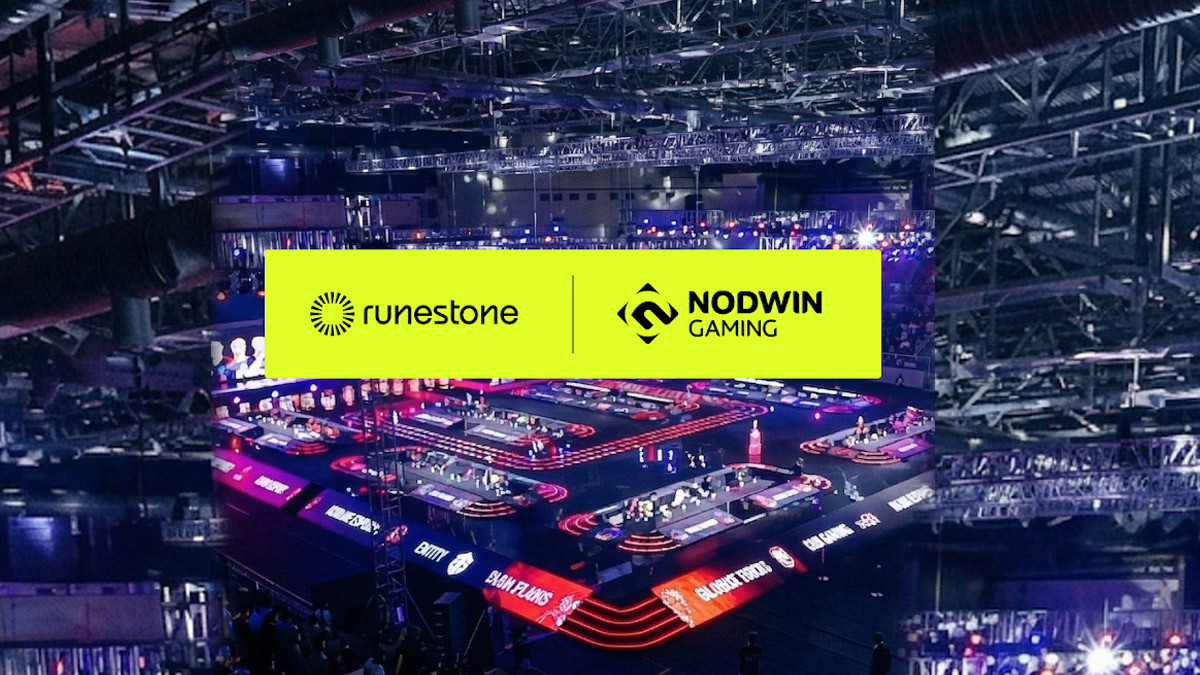
MUMBAI: Nodwin Gaming has just levelled up its game by bringing in a specialist to keep the scoreboard honest and the fans fully engaged. The leading South Asian esports and gaming company has announced a strategic partnership with Runestone, a Prague-headquartered esports technology firm specialising in real-time data and engagement solutions for tournament organisers and publishers.
The collaboration aims to strengthen competitive integrity, improve operational oversight, and deliver more interactive viewing experiences across Nodwin’s properties. It will initially focus on the Nodwin Clutch Series for Counter-Strike 2, a Tier 2 tournament that provides emerging teams with consistent competitive opportunities and helps build the talent pipeline.
The latest edition of the series recently concluded with Big defeating ECSTATIC 2–1 in the grand final of the $50,000 online event.
Nodwin Gaming chief business officer at MENA and global head of data monetization Teemu Koski said, “Integrity and transparency are fundamental to sustainable esports ecosystems, especially in Tier 2 competition where the next generation of talent emerges. Runestone’s expertise complements our experience in building scalable esports IPs.”
Runestone head of partnerships Michael Schwartz added, “Nodwin Gaming has built one of the most dynamic esports ecosystems across emerging markets. We’re thrilled to collaborate on supporting tournaments with greater transparency, deeper fan interaction, and scalable tools.”
Both companies are exploring opportunities to extend the partnership across additional titles, including mobile-first competitive ecosystems, and to develop new products for publishers, tournament operators, and event promoters.
In the rapidly growing world of esports, where fair play and fan excitement are equally crucial, Nodwin Gaming and Runestone are teaming up to ensure every match is not only competitive but also transparent and engaging. This alliance could well become a game-changer for Tier 2 tournaments across South Asia and beyond.







