iWorld
Instagram introduces a new feature- ‘You’re All Caught Up’

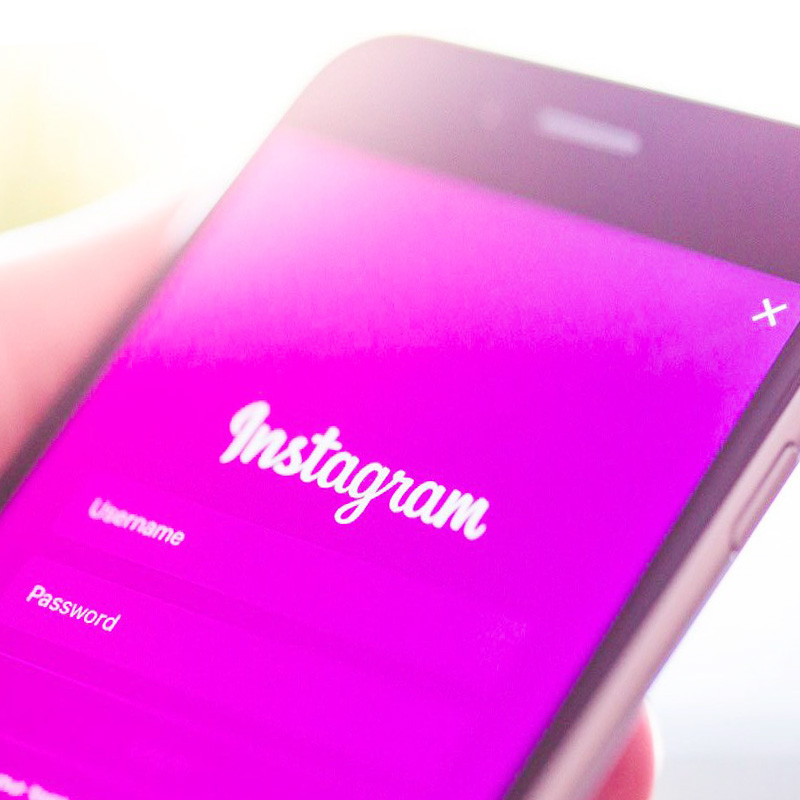
MUMBAI: Instagram has come up with a new feature named ‘You’re All Caught Up’ that informs the user when they have seen every posts on their feeds in the last 48 hours. A green tick appears on the screen along with the message ‘You’re All Caught Up’ helping the user to have a better understanding of their feed and to inform them that they haven’t missed recent photos or videos.
This update is a supposed antidote to Instagram’s algorithmic which shows posts in a non-chronological order which was launched about two years back and was widely criticised. People objected that the feature will use information based on user’s interaction in the app to plan its feed which will spoil the usual way of scrolling through the app.
This feature is also supposed to help users to manage the time that is spent on the app and stop them from ‘over programming’. Not just this, Instagram also might be working on a ‘Do Not Disturb’ feature to help the users.

Facebook CEO Mark Zuckerberg has been vocal about prioritizing well-being over profits, to the point that the network reduced the prevalence of viral videos in the feed so much that that app lost 1 million users in the U.S. and Canada in Q4 2017. “I expect the time people spend on Facebook and some measures of engagement will go down. If we do the right thing, I believe that will be good for our community and our business over the long term too,” said Zuckerberg as quoted by Techcrunch.
Apple is going to introduce Screen Time in iOS 12. Google’s Dashboard, which is going to be a part of Android P. These features are going to let the user track their usage patterns and understand which apps are taking up most of their time.
Also reads: Instagram valued at $1000 billion
Instagram crosses 500 million members






Gaming
Sony raises PS5 prices for second time in under a year
US disc edition jumps $100 to $649.99 as memory costs surge.
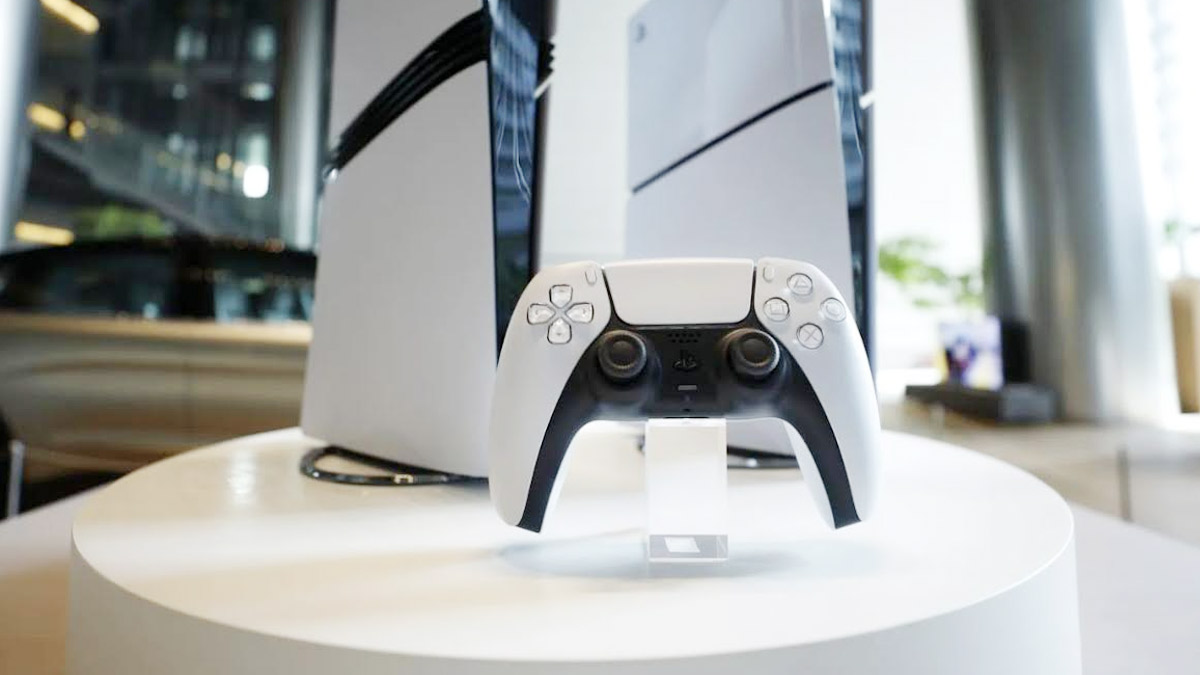
MUMBAI: Sony just hit the pause button on affordable gaming because when memory prices skyrocket, even the Playstation has to pay the premium. Sony has announced its second price increase for the Playstation 5 range in less than a year, citing pressures in the global economic landscape and a sharp rise in memory component costs driven by AI demand.
In the US, the PS5 disc edition will rise from $549.99 to $649.99, a $100 hike while the digital edition increases to $599.99. The more powerful PS5 Pro will jump $150 to $899.99. The Playstation Portal remote player will also rise by $50 to $249.99. The new prices take effect on 2 April 2026.
Similar increases have been applied in the UK (£90 per model), Europe and Japan. Sony last raised PS5 prices in the US in August 2025.
“We know that price changes impact our community, and after careful evaluation, we found this was a necessary step to ensure we can continue delivering innovative, high-quality gaming experiences to players worldwide,” Sony said in a blog post.
The hikes come amid an unprecedented surge in memory prices, as manufacturers prioritise supply for AI data centres. Analysts say Sony had likely secured price protections for components that have now expired, forcing the company to protect its hardware margins.
Ampere Analysis research director of games Piers Harding-Rolls told CNBC that further increases from Microsoft and Nintendo would not be surprising, though Nintendo may hesitate to raise the price of its recently launched Switch 2 while establishing the new platform.
The increases arrive eight months before the highly anticipated release of GTA 6, which is expected to drive strong console sales. However, early reactions online have been a mix of disappointment and resignation, with growing concern that premium gaming is increasingly becoming a hobby for higher-income players.
In a sector already grappling with tariffs, inflation and component shortages, Sony’s move underscores a tough reality: even the most popular consoles are not immune to the rising cost of keeping up with the latest technology.








