Gaming
Infinix Presses Play on India’s Esports Scene

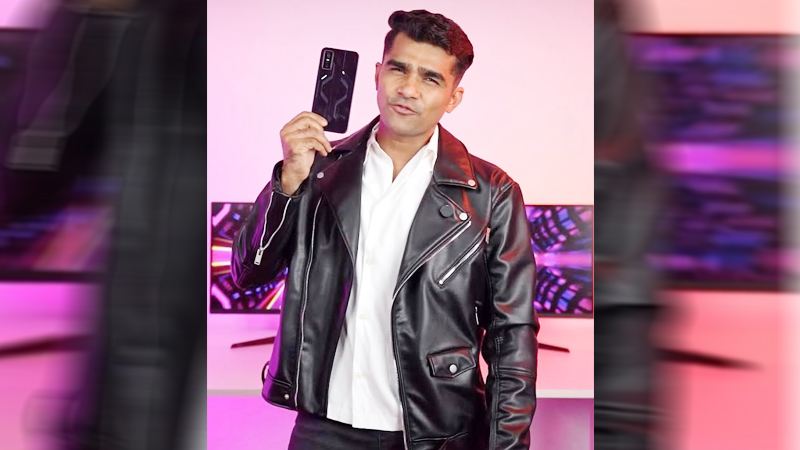
MUMBAI: In what appears to be a strategic masterstroke in the Indian esports game, Infinix has pressed play on its latest endeavour, aiming to capture the hearts and thumbs of competitive players. The new-age smartphone brand isn’t just launching a new device; it’s making a bold statement, seeking to redefine its presence within India’s burgeoning gaming ecosystem.
To truly resonate with the gaming demographic, Infinix has forged alliances with some heavyweight figures. Comedian and digital creator Tanmay Bhat, alongside top-tier gaming influencers Total Gaming, Mizo, and Shreeman Legend, are now part of the Infinix team. This collaborative move highlights a significant cultural shift: gaming is no longer just a pastime, but a passion-driven space where skill, community, and competitive spirit converge for today’s youth. Modern gamers aren’t merely in the market for a phone; they demand performance that keeps pace with their rigorous “grind,” bold designs that unmistakably scream “gaming,” and cutting-edge technology that facilitates their seamless entry into the thrilling world of Esports.
Enter the Infinix GT 30 Pro, a device meticulously crafted with “gaming-first” features to address the escalating demand for high-octane mobile competition. Designed with flagship-grade precision, this smartphone boasts the world’s first Mediatek Dimensity 8350 Ultimate processor, ensuring unparalleled processing power. For battle royale enthusiasts, it offers Krafton-certified 120FPS BGMI support, promising buttery-smooth gameplay. Further enhancing the tactile experience are the integrated GT Shoulder Triggers, while its bold Cyber Mecha Design, complete with customizable RGB lighting, ensures it looks every bit the part. To elevate the overall gaming experience, a suite of AI-powered features has been integrated, including Esports Mode, Xboost, AI audio enhancement, and haptics, all painstakingly optimised to deliver more immersive and responsive gameplay.

Ultimately, through these calculated collaborations, Infinix is not simply unveiling a product. It’s actively championing a mindset shift within India’s dynamic gaming culture, reinforcing its long-term commitment to cultivating talent by empowering grassroots Esports athletes, a dedication exemplified by its existing partnership with the professional team True Rippers.




Gaming
Konami concludes successful eFootball India campaign
Campaign featuring Rinku Singh, Varun Chakravarthy and other stars boosts engagement ahead of FIFA World Cup 2026.
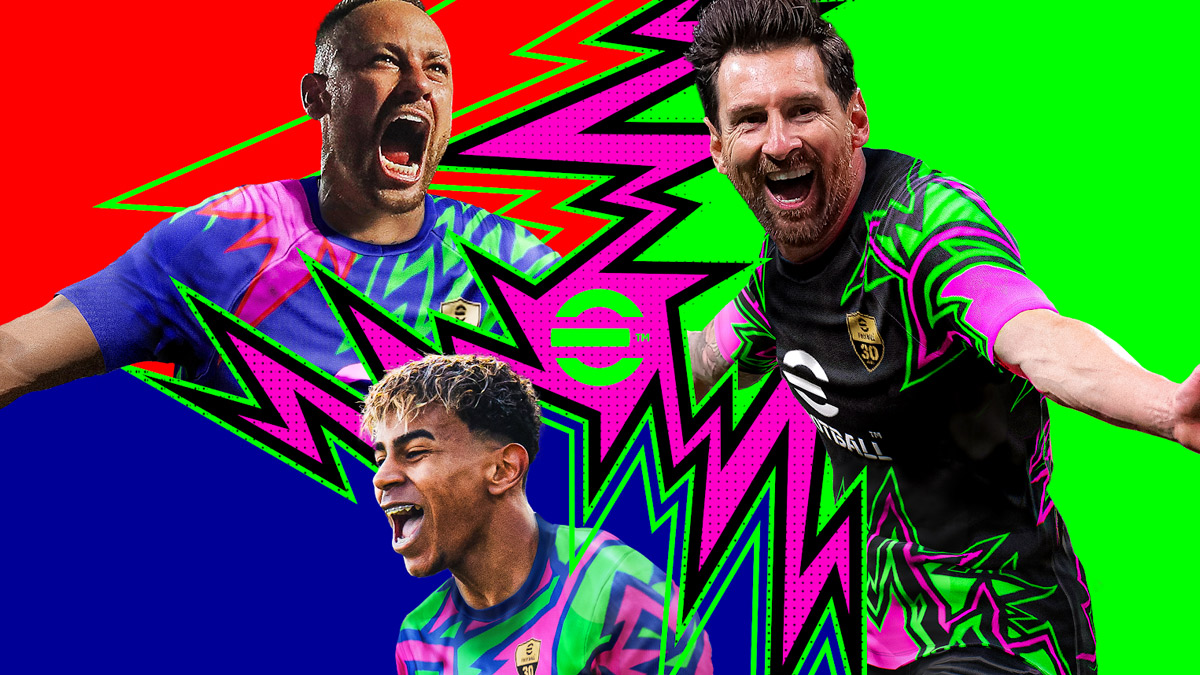
MUMBAI: When cricket meets football in the virtual world, even the biggest fans can’t help but score and Konami’s latest eFootball campaign in India has clearly hit the back of the net. Konami Digital Entertainment has successfully wrapped up its India campaign for eFootball, which brought together cricketers Rinku Singh and Varun Chakravarthy, actors Naslen Gafoor and Chandu Salim Kumar, and footballers Sahal Abdul Samad and Shubhasish Bose. The multi-star campaign generated strong excitement across gaming, football, and creator communities through social content, fan participation, and in-game engagement.
Building on the initial launch that featured a limited-time Lionel Messi card, the campaign united fan communities, lifestyle creators, football creators, and competitive eFootball influencers. It significantly expanded the game’s visibility and deepened engagement with fans across the country.
The campaign also saw thousands of entries submitted as part of its social media engagement challenge, reflecting high levels of community enthusiasm and active creator involvement.
Looking ahead, Konami plans to build on this momentum with more eFootball experiences for Indian fans as the FIFA World Cup 2026 approaches. With global attention on the tournament set to rise, India will remain a key market for deepening community engagement and bringing fans closer to the action.
In a country that lives and breathes sport, Konami has shown that mixing real-world stars with virtual thrills is a winning formula leaving fans eagerly waiting for the next goal.






