Applications
Industry needs to come together to put all systems in place for Phase 2: Parameswaran


MUMBAI: The multi system operators (MSOs) might have successfully installed set top boxes (STBs) in majority of homes in phase 1 of digitisation but the government feels that is just one aspect of the drive and other aspects like subscriber management system (SMS) and billing system need to be put in place if the real benefits of digitisation have to be realised.
The Telecom Regulatory Authority of India (Trai) wants the industry to set things right for Phase 2 of cable TV digitisation. Trai consultant N Parameswaran said Tuesday that the stakeholders need to work towards having all the systems in place in order to implement digitisation in letter and spirit.
“Digitisation has not happened in a manner that we wanted to. It’s not a regulatory issue. The industry has to come together and ensure that that all the systems are in place from day one for phase 2,” he said.

According to Parameswaran, the real benefits of digitisation have not reached people. "The subscriber management system is not in place. What has happened is only set top boxes have been installed,” Parameswaran said, while taking part in a panel discussion on digitisation at Ficci Frames 2013.
Parameswaran said that the Trai had recently issued notices to MSOs and LCOs (Local Cable Operators) to make their SMS operational in DAS areas to ensure things fall in place.
While commending the industry for achieving digitisation in a short span of time, Den Networks CMD Sameer Manchanda assured that the SMS and billing system will fall in place in 60 days.
“We should have all things in place in 60 days. Putting eight million STBs was a herculean task. Digitisation has taken years in other countries,” Manchanda said.
IndiaCast Group CEO Anuj Gandhi said the ARPUs (Average Revenue Per User) will increase gradually. The key is to segment existing channels and create packages accordingly. A case in point, Gandhi said, was having a South Indian channel package for Mumbai.
Gandhi urged the industry to take one step at a time. The immediate priority, he said, was to get back-end systems in place. “For broadcasters, it’s a scary thought that the customers are getting more channels for the same price,” averred Gandhi.
According to Multi Screen Media (MSM) CEO Man Jit Singh, government should continue to play the facilitators role like it did in the first phase. He also said that STBs have installed, subscribers are getting digital signals but little has changed apart from that.
“What we have shown in first phase is that we came together as an industry to implement digitisation. The government also has a critical role to play. It should continue to play the facilitators role to bring together different stakeholders in the industry,” Singh said.
He added, “Tiering and ARPU is incremental to drive the market together by understanding the consumer needs and expectations. The burden of expansion has to be shared by the Local Cable Operator (LCO), Multi System Operator (MSO), broadcaster and the consumer.”
IBM Global Business Services India/SA Director & Partner, Industry Leader – Media & Entertainment Raman Kalra said that it is important for the industry to keep parallel strategy in place as the business model is evolving continuously.
“Consumer is willing to pay but the industry should know how to extract it. The key is to know your customers to facilitate micro-segmentation and then work on the content strategy accordingly,” Kalra said.
Reliance Broadcast Network Limited (RBNL) CEO Tarun Katial said the advent of digitisation has made things easier for new channels as the carriage and placement is not a big problem anymore.
He also said that the availability of more channels has meant that consumers are sampling more channels which is good for niche channels. He also felt that dynamics will change as advertisers will now have to shell out more for advertising on television as subscription revenues go up and advertising duration is cut down.
Times Television Network (TTN) MD & CEO Sunil Lulla said, “The current economics are not adequate for the success of Phase 2 of digitisation. There is an urgent need for industry transformation and an effective change in consumer experience. We are sitting at the cusp of change where widespread and deep digitisation will happen on the back of consumers, regulators and government working together.”







Applications
With 57 per cent single new users, Ashley Madison rebrands as discreet dating platform
Platform says majority of new members now identify as single
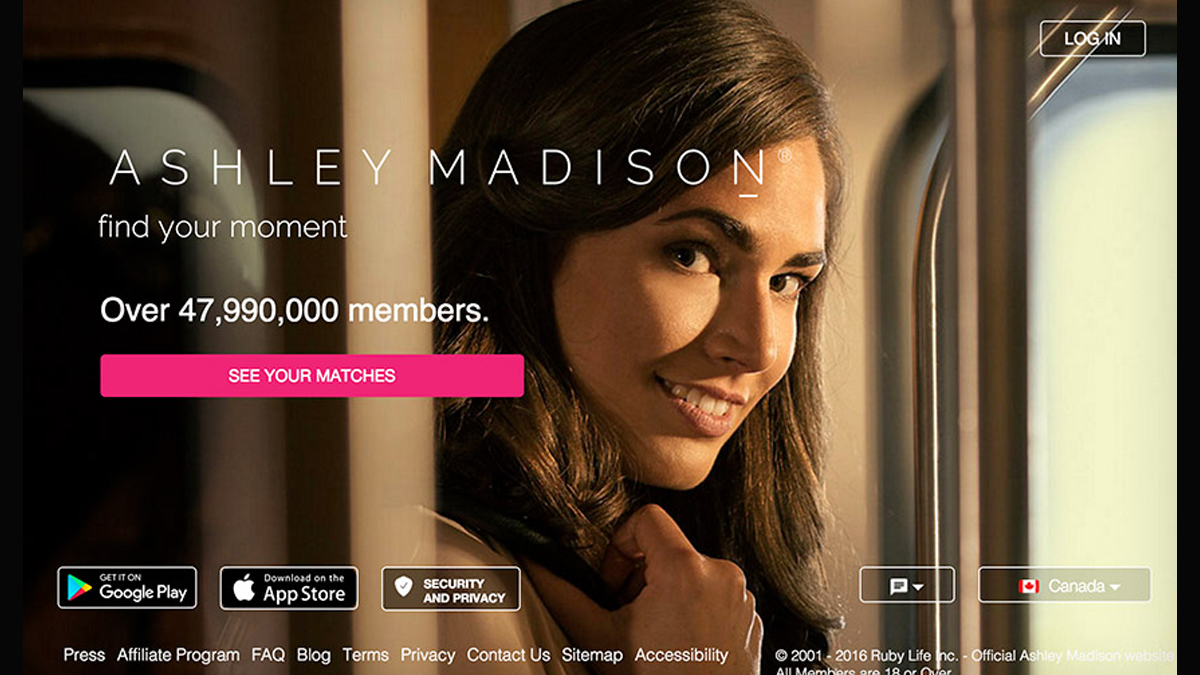
INDIA: Ashley Madison is shedding the “married-dating” label that defined it for two decades, repositioning itself as a platform for discreet dating in what it calls the post-social media age.
The rebrand, unveiled in India on 27 February, 2026, marks a structural shift in business model and identity. Once synonymous with married dating, the company now describes itself as the “premier destination for discreet dating” under a new tagline: Where Desire Meets Discretion.
The pivot is data-driven. Internal figures show that 57 per cent of global sign-ups between 1 January and 31 December, 2025 identified as single: a notable departure from the platform’s married core. The company argues that its community has already evolved beyond its original positioning.
“In an age where our lives have been constantly put on public display, privacy has become the new luxury,” said Ashley Madison chief strategy officer Paul Keable. He framed the platform’s offering as “ethical discretion” for singles, separated, divorced and non-monogamous users seeking private connections.
The shift also taps into wider digital fatigue. A global survey conducted by YouGov for Ashley Madison, covering 13,071 adults across Australia, Brazil, Canada, Germany, India, Italy, Mexico, Spain, Switzerland, the UK and the US, found mounting discomfort with hyper-public online lives.
Among dating app users, 30 per cent cited constant swiping and messaging as a source of fatigue, while 24 per cent pointed to pressure to curate public-facing profiles and early personal disclosure. Some 27 per cent said fears of screenshots or information being shared contributed to exhaustion; an equal share cited unwanted attention.
The retreat from oversharing appears broader. According to the survey, 46 per cent of adults actively try to keep most aspects of their life private online. Only 8 per cent feel comfortable sharing most aspects publicly, while 35 per cent say they are becoming more selective about what they disclose.
Ashley Madison is betting that this cultural recalibration towards controlled visibility can be monetised. By doubling down on privacy infrastructure and reframing itself around discretion rather than infidelity, the company is attempting to convert reputational baggage into a premium proposition.